 Harper Brooks
Lionel Richie's $200M Fortune and Sandringham Gig Reveal Why Music Royalties Are a Wealth Management Game — Not Just a Talent Game
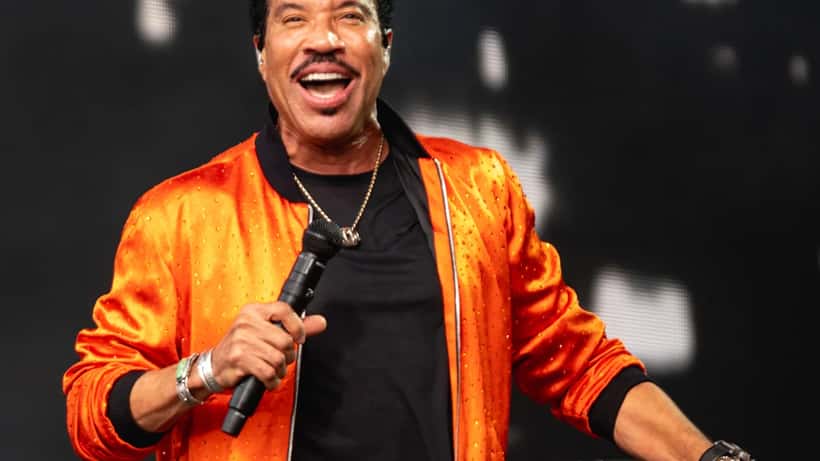
Lionel Richie is trending across the United States this week following the announcement of his exclusive UK performance at the Royal Sandringham Estate in Norfolk on August 20, 2026 — his only live show in Britain this year. For fans, it's a night of nostalgia. For wealth managers and financial advisors, the story behind Richie's $200 million net worth is a textbook case of how musicians — and everyday Americans — can think smarter about building lasting financial security.
How Lionel Richie Built a $200M Fortune From Music
Richie's estimated net worth in 2026 ranges from $200 million to $250 million, according to multiple financial tracking sources. The number is not accidental — it reflects decades of deliberate financial choices that most people overlook when they hear "music icon."
The biggest single driver: royalties. Richie owns the publishing rights to his extensive catalog, including megahits like "All Night Long," "Hello," "Say You, Say Me," and "We Are the World." Ownership of publishing rights means that every time one of his songs plays on the radio, gets streamed on Spotify, appears in a film soundtrack, or is performed at a corporate event, Richie receives a payment. According to financial analysts tracking his portfolio, his back catalog and Commodores-era music generates between $8 million and $10 million annually — purely from passive royalty income.
Compare that to the common assumption that musicians earn primarily from concert tickets and merchandise. For Richie, touring is supplementary. His main financial engine runs whether he performs or not.
The American Idol Income Stream — and What It Teaches Us
Since joining American Idol as a judge in 2018, Richie has reportedly earned approximately $10 million per season. Across at least nine seasons by 2026, that adds up to more than $90 million in television income alone — funds that, when properly managed, can compound significantly over time.
This illustrates a principle that wealth managers emphasize to clients at every income level: income diversification. Richie does not rely on a single stream. He earns from royalties, television, live performances, real estate (his Beverly Hills mansion, purchased in 1999 for $6 million, is now valued at an estimated $40 to $60 million), and brand licensing. Each stream operates independently, so a slowdown in one does not collapse the whole structure.
Real Estate as a Wealth Building Block
Richie's property portfolio — Beverly Hills, Nashville, and Tuskegee — is estimated at between $60 million and $80 million collectively. Real estate serves a specific purpose in a high-net-worth portfolio: it provides a hedge against inflation, generates rental income if not occupied, and appreciates over time in desirable markets.
His Beverly Hills home alone has appreciated from $6 million to an estimated $50 million in roughly 25 years — a 733% increase, or approximately 9.4% per year compounded. During that same period, the S&P 500 returned an average of roughly 10% per year. The lesson is not that real estate always beats equities, but that combining multiple appreciating asset classes over time produces dramatically different results than keeping savings in a bank account.
What the Average American Can Learn From Richie's Playbook
You do not need to be a Grammy-winning songwriter to apply the principles behind Richie's financial success. Wealth managers who work with middle-income Americans frequently point to the same core strategies:
Owning what generates income. Richie owns his publishing rights — a deliberate choice. For ordinary Americans, this translates to owning dividend-generating stocks, rental properties, or business equity rather than just receiving a salary.
Thinking in decades, not years. His Beverly Hills property appreciated over 25 years. His catalog royalties have paid out for nearly 40 years. Wealth managers consistently find that clients who focus on 10- to 20-year time horizons make fundamentally different — and better — decisions than those focused on quarterly returns.
Diversifying income streams. Three distinct income categories (creative/royalties, entertainment/TV, real estate) meant that even during the COVID-19 touring shutdown of 2020-2021, Richie's primary income sources continued uninterrupted.
When Is the Right Time to Talk to a Wealth Manager?
Most Americans think wealth management is only for the ultra-rich. But financial advisors across the US consistently report that the most impactful conversations happen earlier than clients expect — not when someone has already accumulated significant assets, but when they are starting to think seriously about building them.
Key questions a wealth manager can help you work through:
- How should I balance paying down debt with investing?
- Is my current 401(k) allocation appropriate for my age and risk tolerance?
- When should I consider opening a brokerage account beyond my retirement accounts?
- If I inherit money or receive a windfall, how do I avoid common mistakes?
- How can I set up my estate so my family is protected if something happens to me?
The SEC's investor education resources outline what to look for when choosing a wealth manager — including credentials like CFP (Certified Financial Planner) and fiduciary duty, which ensures the advisor is legally required to act in your interest.
ExpertZoom connects you with certified, fiduciary-compliant wealth management professionals across the United States who can assess your specific financial situation and build a long-term strategy tailored to your goals — not their sales targets.
Disclaimer: This article is intended for informational purposes only and does not constitute financial advice. Always consult a qualified financial professional before making investment decisions.
