 Jessica Johnson
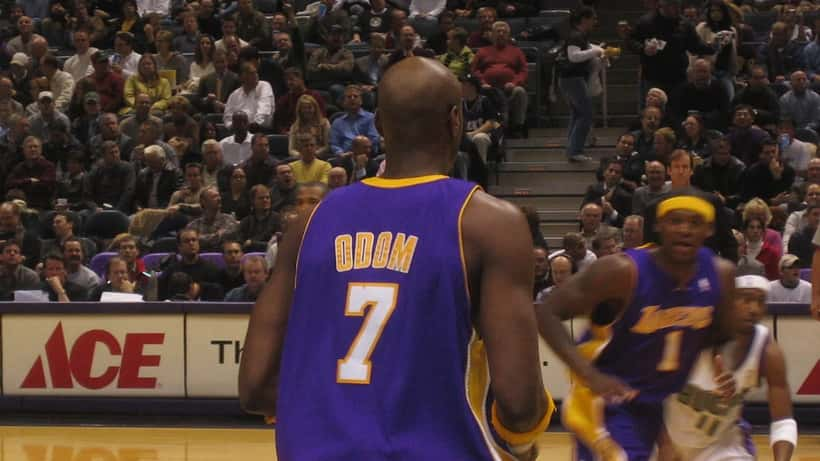
Khloe Kardashian revealed on April 15, 2026, that she spent hours participating in Netflix's new documentary "Untold: The Death & Life of Lamar Odom" without receiving any payment — while her ex-husband publicly used the film to dispute her account of his 2015 overdose. The dispute has exploded online and raises a question most people never think to ask before agreeing to be on camera: what are your legal rights when you participate in a documentary?
What Happened with the Netflix Documentary
The documentary, released in April 2026, examines the near-fatal overdose that Lamar Odom suffered in October 2015 and the aftermath of their marriage. Both Khloe and Lamar participated — but they are now publicly contradicting each other on key facts.
Lamar claimed in press interviews that he married Khloe for fame. Khloe fired back: "You're sitting on camera saying you married me for fame." Lamar also disputed her account of his late father's behavior during the crisis, a claim that has gained significant media attention since April 8, 2026.
More significantly for legal experts watching the story: Khloe says she received no compensation despite hours of on-camera participation — while Lamar, who presumably negotiated his own deal, promoted his version of events in the film and in subsequent interviews.
Their divorce was finalized in 2016. Lamar confirmed on April 13, 2026, that he is in a new relationship. No reconciliation is on the table. But the documentary has reignited a public dispute that raises real legal questions about what rights ordinary people — not just celebrities — have when agreeing to appear in a film or TV production.
The Legal Reality of Documentary Participation
Most people who agree to be interviewed for a documentary, reality show, or online video series have no idea what they are signing. The standard release form used by most production companies is written by the production's lawyers — to protect the production, not you.
Here is what you should know before you agree to appear on camera:
A verbal agreement to appear is not a contract. Without a written agreement specifying compensation, editorial rights, and permitted use, you may have limited legal recourse if the final product misrepresents you, uses your interview out of context, or profits substantially without paying you.
"Signing a release" is not the same as waiving all rights. Depending on your jurisdiction and the wording of the release, you may retain rights to your own name, likeness, and story — particularly if the production includes false statements of fact. Defamation law (for false factual claims) and right-of-publicity law (for commercial use of your likeness) are separate from a broad release.
You can negotiate before signing. Production companies expect negotiation on talent deals. Compensation, editorial review rights, approval of quotes, and a right to a copy of the finished segment are all negotiable. Once you sign a standard release, those options typically disappear.
False statements of fact may give you a defamation claim. If a documentary implies you did something you did not do, or presents a demonstrably false account of events in which you were involved, you may have grounds for a defamation or false light claim. The threshold varies by jurisdiction — public figures face a higher burden than private individuals.
When a Lawyer Can Make the Difference
The Khloe-Lamar dispute is unusual in one respect: both parties had celebrity resources and legal teams, yet the outcome — unpaid participation, disputed facts in a permanent public record — is exactly the kind of situation an entertainment attorney could have prevented.
For ordinary people, the stakes are often just as high. Being featured in a documentary about a crime, an accident, a workplace dispute, or a family story can have lasting consequences for your reputation, your employment, and your relationships.
An entertainment or media attorney can:
- Review any release or participation agreement before you sign
- Negotiate compensation, editorial protections, and takedown rights
- Advise on your defamation options if the film misrepresents you after release
- Send a cease-and-desist if your image is used in ways that violate your rights
The U.S. Copyright Office maintains publicly accessible guidance on personality rights, moral rights, and documentary participation rights at copyright.gov, including the doctrine of fair use that producers often rely on — and that attorneys can challenge.
The Bigger Picture: Documentary Content and Your Story
The Netflix-Khloe-Lamar story is trending because it involves celebrities. But the underlying issue is not celebrity-specific. Every year, thousands of people participate in documentaries, YouTube series, news segments, and reality productions without understanding what they are agreeing to.
Before you agree to appear on camera — whether it's a major streaming platform or a local filmmaker's project — the single most protective step you can take is to consult a lawyer first. A one-hour consultation with an entertainment attorney can prevent years of regret.
Your story belongs to you. Make sure you control how it's told.
Note: This article provides general legal information only and does not constitute legal advice. Documentary and media law varies significantly by jurisdiction and contract terms. Consult a licensed attorney for advice specific to your situation.
