 Elizabeth Chen
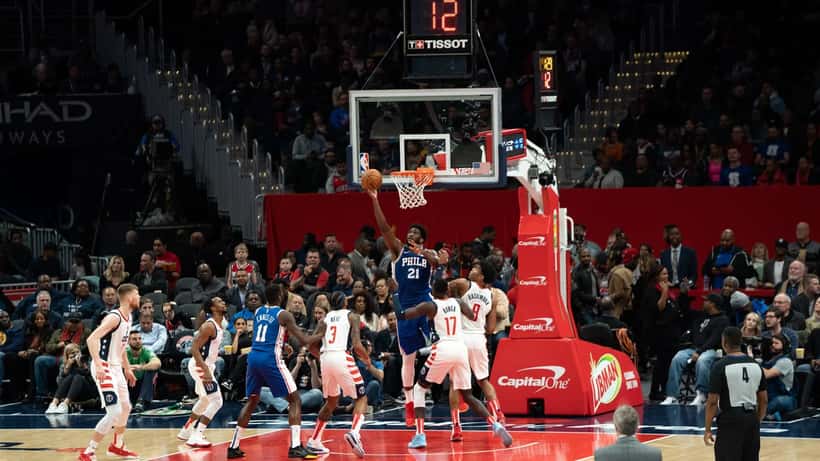
Philadelphia 76ers center Joel Embiid was ruled out against the Washington Wizards on April 1, 2026, due to a right oblique strain combined with illness — then returned against the Timberwolves on April 3 with 19 points, 13 rebounds, and 7 assists in a 115-103 win, only to be ruled out again on April 4 against the Pistons for "oblique management." The drama spilled onto social media, with Embiid calling out GM Daryl Morey and initially calling it an "April Fools joke." The NBA load management debate is back — and it carries lessons far beyond professional basketball.
The Oblique Injury: What Actually Happened
An oblique strain — a tear or overstretch of the oblique muscles along the side of the abdomen — is notoriously tricky to manage. It affects rotational power, which is fundamental to every basketball motion: passing, shooting, and defensive lateral movement.
Embiid's situation is a textbook example of load management conflict: the player wants to play, the medical staff says rest, the front office weighs playoff seeding. The tension between Embiid and Morey went public when Embiid, cleared to play against Miami with similar symptoms but held out against Washington, called the decision arbitrary.
According to the 76ers injury report timeline, Embiid's oblique issue has been managed over multiple weeks, consistent with a Grade 1 or Grade 2 muscle strain. The 76ers were fighting for playoff seeding at the time, sitting at 43-34 with Embiid as their most critical player.
Load Management: The Science Behind the Controversy
Load management has divided the NBA for years, but the underlying sports medicine science is sound. According to the American College of Sports Medicine (ACSM), systematic workload monitoring reduces recurrence of muscle injuries by up to 40% in professional athletes following acute strains.
The core principle: muscles under repeated strain before full recovery are significantly more vulnerable to complete tears, which require weeks or months of rehabilitation rather than days. A Grade 1 oblique strain becomes a Grade 3 rupture when pushed too soon — and that's a season-ending difference.
What sports physicians track during recovery from an oblique strain:
- Pain levels at rest and during rotation: absence of pain doesn't mean the tissue has healed
- Range of motion progression: can the athlete rotate through full range without compensating?
- Power output testing: functional strength tests rather than just symptom reporting
- Tissue imaging: ultrasound or MRI to confirm healing stages
What Weekend Athletes Can Learn From Embiid's Drama
Most of us will never play in the NBA playoffs, but the load management lesson translates directly to recreational sports. Weekend warriors — runners, cyclists, tennis players, gym-goers — routinely push through muscle strains that should be rested, turning minor injuries into chronic problems.
The pattern is almost identical to Embiid's situation:
- You feel pain during activity but it "loosens up" — you keep going
- You rest for a day or two, feel better, return too early
- The injury recurs — often worse than the original
Common sports injuries where load management matters most for amateur athletes:
- Oblique/abdominal strains: common in tennis, baseball, and gym training involving rotation
- Hamstring strains: the most common running injury, with a recurrence rate of 34% without proper rehab
- Rotator cuff irritation: chronic shoulder issues from gym training, swimming, or racket sports
- Plantar fasciitis: often worsened by "training through pain" despite clear symptoms
When to See a Sports Medicine Specialist
The difference between a sports medicine specialist and a general practitioner matters here. A sports physician can:
- Classify the injury grade (1, 2, or 3) with functional testing and imaging
- Design a sport-specific rehabilitation protocol — not just "rest and ice"
- Monitor return-to-play readiness with objective data rather than subjective pain reports
- Identify underlying risk factors (muscle imbalances, biomechanical issues) that caused the injury in the first place
Embiid's case is instructive: the 76ers' medical staff is among the best in professional sports, yet they still had a public disagreement about readiness. Imagine navigating that decision without any specialist guidance at all — which is what most amateur athletes do.
If you've had a muscle strain that's been "bothering you for weeks" without improvement, or a recurring injury that always comes back after a few weeks of playing, a sports medicine consultation is the high-value next step. A specialist can shorten recovery time, reduce recurrence risk, and help you train smarter rather than just harder.
For sports medicine consultations, specialists are available through Expert Zoom — Sports Health to help you get back to the sport you love safely and faster.
Disclaimer: This article is for informational purposes only and does not constitute medical advice. For any injury or health concern, consult a qualified sports medicine professional or physician.
