 Bernard Stone
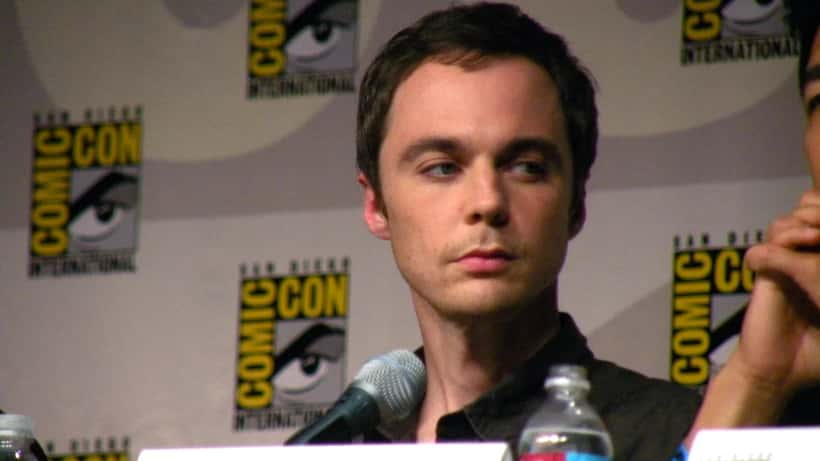
Jim Parsons, who earned a reported nine-figure payday as Sheldon Cooper on CBS's The Big Bang Theory, will start a 16-week Broadway run on March 26, 2026 as Ruth DeWitt Bukater in the musical comedy Titanique, with previews opening at the St. James Theatre and the official opening night on April 12, Deadline confirmed. At 53, Parsons is taking on a female role originated by Frances Fisher in the 1997 film and trading recurring streaming residuals for a fixed-run stage paycheck — a career trade that estate planners say is more common than fans realise.
In May 2026, with Parsons also voicing a part in Andy Serkis's animated Animal Farm (released May 1) and publicly declining a Big Bang Theory reboot, his career portfolio looks less like a TV-actor retirement and more like a structured income pivot. For high earners considering their own version of that pivot — whether at 35, 50, or 65 — the financial mechanics are worth studying.
What a Broadway run actually pays compared with a network sitcom
The contrast is stark. A leading TV role on a hit network sitcom can pay $1 million per episode at the peak of a contract negotiation, plus syndication points. A leading Broadway run for an above-the-title star typically pays a guaranteed weekly minimum (often $5,000–$15,000) plus a percentage of weekly box-office gross, capped well below the TV peak.
Parsons could have stayed on streaming spin-off duty for Young Sheldon-style residuals. Instead, his recent stage roles — Our Town and Mother Play in 2024 and now Titanique — represent a deliberate cash-flow change.
A financial planner who specialises in entertainment clients told Variety in 2024 that the typical post-sitcom playbook today follows three pillars: protect the residuals from the legacy show, generate fresh wage income to keep retirement contributions flowing, and use limited theatre or voice work to maintain industry presence without re-signing a multi-year network contract.
Three wealth questions every mid-career pivoter should answer
You do not need a hit sitcom in your back catalogue to face the same questions Parsons's team is answering this spring.
1. Is the new income enough to keep you contributing to retirement? Parsons's Broadway income alone will keep him eligible for SAG-AFTRA pension and health contributions, which is the unsexy version of why working actors take stage roles. For non-actors, the equivalent question is whether the pivot keeps you in an employer-sponsored 401(k) or solo-401(k) range. The IRS annual contribution limits for 2026 are $24,500 for elective deferrals plus an $8,000 catch-up contribution for those 50 and older — and missing a year of full contributions in your 50s costs more than most people realise.
2. How do the new tax states compare with the old? Network sitcoms shoot in California. Broadway runs are taxed in New York. A pivot can switch a high earner between two of the most aggressive state-tax regimes in the country, and the wrong sequencing can trigger non-resident state taxes on both incomes. This is one of the most frequent mistakes wealth managers see when entertainers cross coasts mid-year.
3. Are your insurance and disability protections still aligned? Stage work has different physical demands and a different injury profile from on-camera work. Disability policies underwritten for a sitcom star do not always cover a Broadway eight-shows-a-week schedule. The same problem hits non-actors who pivot from desk-based to physically demanding roles or from corporate to freelance income.
Why the Big Bang Theory reboot decision is a financial signal
Parsons told The View in April 2026 that he "would not do a reboot" of The Big Bang Theory. That sentence is, in wealth-management terms, a portfolio decision rather than a personal one.
Refusing the reboot preserves the existing residual stream from the original show without exposing it to new performance obligations or renegotiation pressure. It also keeps Parsons available for time-limited projects (Broadway, voice work, producing) that diversify his income without the recurring time-cost of a series order.
Wealth managers refer to this pattern as "income diversification at constant time-budget." The same logic applies to a corporate executive who turns down a CEO role to keep a board portfolio, or a consultant who turns down a full-time job offer to keep multiple retainer clients.
The estate-planning angle nobody mentions
A career pivot at 53 also resets several estate-planning levers most clients forget.
- Beneficiary review. Retirement-plan beneficiaries set during the previous income period (children, ex-spouses, charities) should be reviewed when the income source changes.
- Trust funding. If a revocable trust was funded mainly from sitcom income, the new income stream needs to flow into it through deliberate retitling, not by accident.
- Working-spouse considerations. Parsons is married to art director Todd Spiewak. A career pivot can change the household's effective tax rate and the optimal Roth-conversion window — a planning move that has a defined sweet spot before mandatory distributions kick in.
The practical move for non-celebrity pivoters
For anyone — actor or otherwise — planning a career pivot in 2026, the path is short. A 60-to-90-minute conversation with a wealth manager or estate planner before the pivot covers retirement-plan eligibility, state-tax residency planning, disability-coverage realignment, and beneficiary and trust review.
The decision Parsons is making in public on March 26 — to trade a familiar income stream for a structured, time-bound one — is the same decision thousands of mid-career professionals are quietly making in 2026. The Broadway debut is the news. The financial discipline behind it is the lesson.
This article is informational only and does not constitute personalised financial, tax, or legal advice. Consult a licensed professional before changing income or estate-planning arrangements.
