 Bernard Stone
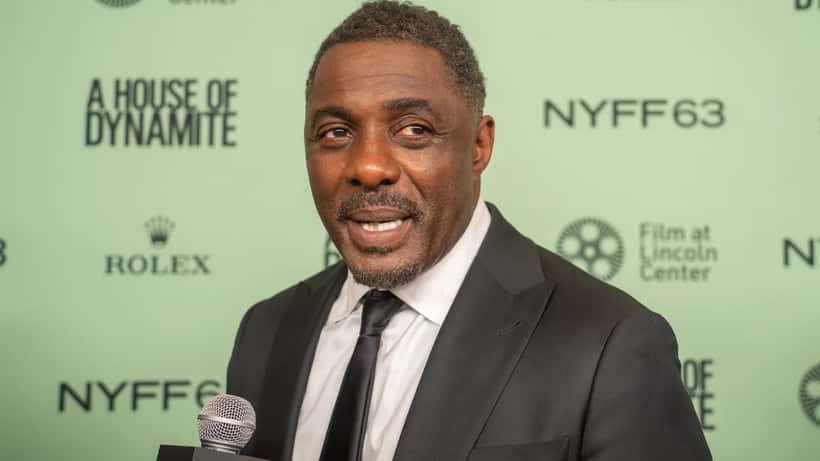
On May 14, 2026, Sir Idris Elba stood alongside King Charles III at The Other Palace theatre in London, celebrating the 50th anniversary of The King's Trust — the youth charity that helped launch his career when he was an 18-year-old drama student with nothing but ambition and a National Youth Music Theatre scholarship. This week, he also appeared on TIME's list of the 100 Most Influential People in Philanthropy for 2026, recognized alongside his wife Sabrina Dhowre Elba for their Hope Power Project, a plan to transform Sherbro Island in Sierra Leone into a wind-powered eco city.
The images of a knighted global celebrity returning to the charity that changed his life have resonated widely across social media. But for financial advisers, the story also illustrates something more practical: what strategic, long-term philanthropy actually looks like — and what American donors can learn from it.
How Idris Elba Turned His Giving Into a Lasting Legacy
The Hope Power Project is not a check to a charity. It is a long-term infrastructure investment, partnered with British energy company Octopus Energy Generation, designed to power nearly 1,500 homes and businesses with renewable energy by summer 2026. That structure — impact-oriented, measurable, asset-backed — represents a form of charitable giving that looks nothing like simply writing a check to your local food bank.
The Elbas have paired this with personal storytelling that amplifies the mission. By returning to The King's Trust and publicly acknowledging that a charitable program changed the trajectory of his life, Idris Elba demonstrates what philanthropic advisers call "narrative alignment" — giving that genuinely reflects personal values and life experience, rather than tax-motivated donations to whatever cause appears on a year-end checklist.
For wealthy Americans watching this story, the question is worth asking: is your charitable giving as strategic as your investment portfolio?
The Tax Case for Smarter Charitable Giving
Most Americans who give to charity do not capture the full tax advantage of their generosity. According to the IRS's guidance on charitable contribution deductions, individual donors can deduct cash contributions to qualifying organizations up to 60 percent of their adjusted gross income — but many high earners fail to structure their giving to maximize that benefit.
The reasons vary. Some donors give reactively, responding to fundraising campaigns or end-of-year appeals, rather than planning their contributions as part of an annual financial strategy. Others donate cash when appreciated assets — stock that has grown significantly in value, for instance — would deliver a better tax outcome. A few are simply unaware of the vehicles available to them.
Donor-Advised Funds (DAFs), charitable remainder trusts, and private foundations are three structures that allow American donors to give more strategically. Each has different tax implications, funding minimums, and operational requirements. A qualified wealth manager can help you understand which fits your situation.
3 Charitable Giving Strategies Financial Experts Recommend
1. The Donor-Advised Fund (DAF) approach. A DAF allows you to make a lump-sum contribution in a high-income year — taking an immediate deduction — while distributing the actual grants to charities over several subsequent years. This is especially valuable for Americans who receive a bonus, sell a business, or exercise stock options in a single calendar year. You capture the deduction now, and direct the giving when it makes the most sense.
2. Donating appreciated securities instead of cash. If you own stock, mutual funds, or ETFs that have increased substantially in value, donating those assets directly to a qualified charity avoids capital gains tax entirely. You receive a deduction for the full market value, and the charity receives the full value as well — no tax drag on either side. For investors who have held positions for more than a year, this can be significantly more efficient than selling and donating the cash proceeds.
3. The Qualified Charitable Distribution (QCD) from an IRA. For donors who are 70½ or older, a QCD allows you to transfer up to $105,000 per year from your IRA directly to a qualified charity without the withdrawal counting as taxable income. This is particularly valuable for retirees who do not itemize deductions and would otherwise receive no tax benefit from standard cash gifts.
Why the Right Professional Matters
Charitable giving sits at the intersection of estate planning, tax strategy, and personal values — three domains that require different kinds of expertise. A general financial planner may not have deep familiarity with the rules around charitable remainder trusts or the reporting requirements for private foundations. A tax accountant who handles your returns may not be the right person to advise on whether your estate plan should include a testamentary charitable bequest.
A wealth manager with specific experience in charitable planning can help you map your giving to your broader financial picture — and ensure that your generosity works as hard as the rest of your portfolio.
The Elbas' giving is strategic, values-driven, and designed for long-term impact. It also happens to be structured in a way that almost certainly generates significant tax efficiency. That combination — doing good and doing it smartly — is not accidental. It is the result of intentional planning.
From The King's Trust to Your Own Giving Strategy
Idris Elba has spoken about how a charitable program for young people changed the direction of his life. He has spent years investing back into programs like The King's Trust. Now, at 53, he is using his wealth and platform to create lasting infrastructure in one of the world's least-resourced regions.
That scale is not accessible to most donors. But the principles — giving strategically, aligning contributions with personal values, using the right financial structures — apply at every level of wealth. Whether you are donating $5,000 or $5 million, the difference between reactive giving and strategic philanthropy is significant.
ExpertZoom connects you with qualified wealth management professionals who specialize in charitable giving and tax-efficient financial planning. A single consultation could transform how you think about generosity — and what your giving actually accomplishes.
