 Cora Nelson
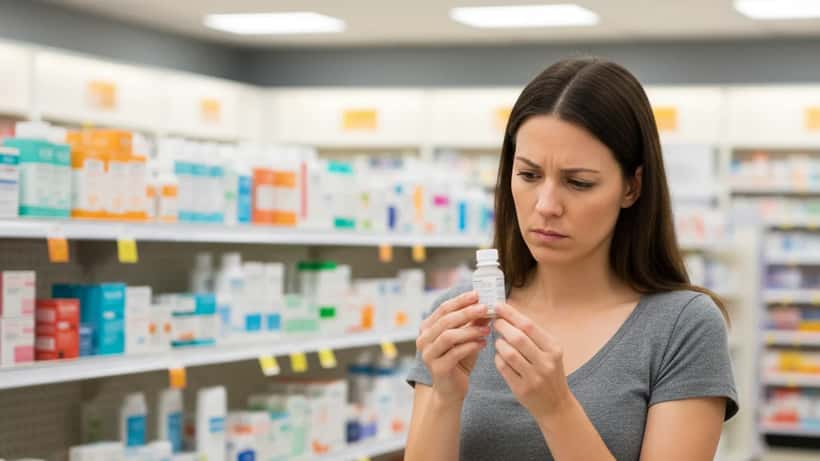
The U.S. Food and Drug Administration announced on March 31, 2026 a voluntary recall of over 3.1 million bottles of eye drops distributed nationwide. Manufacturer K.C. Pharmaceuticals, Inc. of Pomona, California initiated the recall on March 3, 2026 after the company could not guarantee the sterility of its products. If you have any of these eye drops at home, stop using them immediately.
What Was Recalled and Why
The recall affects 26 store-label brands sold at major retailers including Walgreens, CVS Health, Rite Aid, Kroger, H-E-B, Publix, Meijer, Harris Teeter, and Dollar General. Product types include "Artificial Tears," "Advanced Relief," and "Redness Lubricant" formulations under both retailer generic brands and wholesale labels such as Leader and Equaline.
The recall reason, classified as Class II by the FDA, is "lack of assurance of sterility." This means the manufacturing process could not confirm the products were free from bacterial contamination and microbes. While no injuries or illnesses have been reported as of the recall announcement, the potential for eye infection is real.
How to identify recalled products: Look for lot codes beginning with the following prefixes: AC, AR, LT, SU, RG, RL, SY, or AT, combined with expiration dates in May or October 2026. If your bottle matches both criteria, it is part of the recall.
According to the FDA's recall announcement, affected consumers should stop use immediately, check lot codes on the bottle label, and return or exchange the products at the retailer where they were purchased.
Eye Health Risks From Contaminated Eye Drops
Artificial tears and lubricating eye drops are among the most commonly used over-the-counter products in the United States. They are particularly relied upon by people with dry eye syndrome, contact lens wearers, allergy sufferers, and individuals who spend extended hours in front of screens.
The sterility risk here is serious for a specific reason: the eye is one of the most vulnerable entry points for bacterial infection. The conjunctival surface — the thin membrane covering the white of the eye — is exposed to the environment, and any non-sterile solution applied directly to it can introduce pathogens.
Bacterial eye infections that can result from contaminated products include:
- Bacterial conjunctivitis (pink eye), caused by organisms such as Staphylococcus aureus or Pseudomonas aeruginosa
- Keratitis, a potentially serious infection of the cornea that can cause permanent vision damage if untreated
- Endophthalmitis in rare but severe cases, particularly in people who have recently had eye surgery
Symptoms to watch for include increased redness, discharge, eye pain, blurred vision, sensitivity to light, or a sensation that something is in your eye. These symptoms should not be treated with more eye drops — they require immediate professional evaluation.
When to See a Doctor After Using Recalled Eye Drops
If you used any of the recalled products in the past several weeks, even if you feel fine right now, it is worth a conversation with your doctor or an eye care specialist. Here is how to think about urgency:
See a doctor or urgent care today if:
- You have eye pain, significant redness, or discharge that has developed recently
- Your vision has changed or become blurry
- Your eye is sensitive to light
- You have recently had eye surgery, LASIK, or a corneal procedure
Schedule a routine check within the next week if:
- You used the recalled products regularly over several weeks but have no symptoms
- You wear contact lenses and used recalled drops to rinse or lubricate
- You have a pre-existing eye condition such as dry eye disease, glaucoma, or a corneal disorder
No immediate action needed if:
- You used the product once or twice and have no symptoms
- You are otherwise healthy with no underlying eye conditions
The key principle in ophthalmology is that eye infections caught early are almost always treatable without lasting damage. Delayed treatment is what causes serious complications.
What Retailers Are Doing and Your Rights
Major retailers named in the recall — Walgreens, CVS, Rite Aid, Kroger, and others — are expected to honor returns and exchanges for affected products without a receipt. Bring the bottle with you to make the process easier.
If you believe you have experienced a health problem related to a recalled product, you can report it through the FDA's MedWatch program. Documenting your experience (which product, which lot code, when you used it, what symptoms developed) is important if you later need medical treatment or wish to pursue a consumer complaint.
The Bigger Picture: Dry Eye Management Without Recalled Products
If you relied on these drops for chronic dry eye, you need a replacement while the recall is resolved. Your options include:
Single-dose preservative-free artificial tear vials, which are less likely to harbor contamination since each dose is used once and discarded. Brands such as Refresh Plus, Systane Ultra (preservative-free), and TheraTears are not part of this recall and are available at most pharmacies.
For anyone who uses artificial tears more than four times per day, an optometrist or ophthalmologist can evaluate whether a prescription treatment — such as Restasis or Xiidra — might be a more appropriate long-term solution than over-the-counter drops.
An eye care specialist on Expert Zoom can answer questions about dry eye management, help you understand whether your symptoms warrant an in-person exam, and guide you toward safe alternatives during this recall period.
