 Jessica Johnson
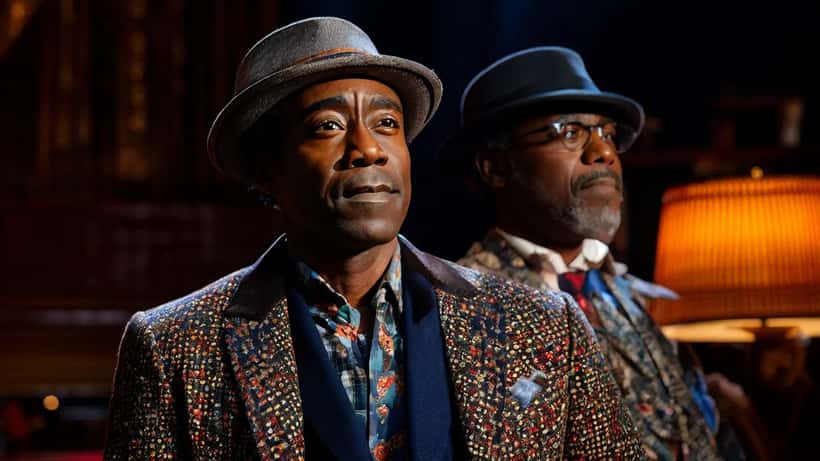
Don Cheadle made his Broadway debut on April 16, 2026, stepping onto the Booth Theatre stage for the first time in a career spanning more than three decades in film and television. Alongside Ayo Edebiri — also a first-time Broadway performer — Cheadle is starring in a revival of David Auburn's Pulitzer Prize-winning play "Proof," a drama about a mathematics prodigy wrestling with mental illness and intellectual legacy. The production, backed by producers including Barack and Michelle Obama, runs through July 19, 2026.
Broadway Debut at the Top: A Legal Reality Check
For most people, a Broadway debut does not arrive with the platform of an Oscar-nominated actor and a celebrity-studded production team. But for performers at every level — from established film stars like Cheadle to theater newcomers — the contractual and legal landscape of live stage work is fundamentally different from the screen industry, and surprisingly complex.
Entertainment lawyers who work with Broadway performers routinely identify the same gap: their clients, even experienced professionals, come to them after signing contracts that contained provisions they did not fully understand. Stage work has its own union agreements, royalty structures, merchandising rights, and intellectual property considerations that differ materially from SAG-AFTRA film contracts.
The Actors' Equity Framework and What It Does Not Cover
Most professional Broadway productions cast Equity members — actors who belong to Actors' Equity Association, the union governing live stage performance in the United States. Equity sets minimum wage standards, rehearsal pay schedules, benefits contributions, and safe working conditions. These protections are real and meaningful.
What Equity contracts do not always address comprehensively are the individual deal points that distinguish a standard Equity contract from a negotiated one. For star performers, these include above-scale compensation, billing prominence (the order and size of names on posters and programs), approval rights over promotional materials, housing allowances, and — crucially — what happens to a performer's likeness, recorded performance excerpts, and name if the production is later filmed, streamed, or adapted.
In 2026, with streaming rights for theatrical productions increasingly monetized — cast recordings sold, filmed versions licensed to platforms, TikTok clips of performances viewed millions of times — the value embedded in a live theater contract has grown considerably. A performer who signs away broad promotional rights for a limited Broadway run may find, years later, that their performance is generating ongoing revenue in contexts they never anticipated.
Three Contract Provisions Every Stage Performer Should Scrutinize
Entertainment attorneys who specialize in theater and stage law consistently flag three areas where standard contracts often contain provisions that disadvantage performers who don't negotiate:
1. Recorded performance and streaming rights. Does the contract grant the producer the right to film, record, or stream your performance? If so, under what conditions, for which platforms, and what is your compensation for those uses? The filmed version of "Hamilton" on Disney+ generated nine-figure revenue. Performers in that production had the benefit of strong representation when those rights were negotiated. Most don't.
2. Run extensions and options. A "limited engagement" that extends — as hit shows often do — can create ambiguity about whether original contract terms apply to the extended run, or whether the performer has the right to renegotiate. "Proof" is described as a "strictly limited 16-week engagement." If it exceeds that run due to demand, every member of the cast should understand their contractual position before that conversation begins.
3. Turnaround and non-compete clauses. Some theater contracts include provisions restricting what other projects a performer can accept during the run — or for a period afterward. These turnaround clauses can block film or television work during a production's run. For performers managing careers across multiple mediums, understanding the scope of these restrictions before signing is essential.
What 'Proof' Tells Us About Mental Health and the Performing Arts
Don Cheadle plays Robert, a mathematician whose genius coexisted with, and was ultimately consumed by, mental illness. The play's central question — how do we separate the work from the person, and what responsibilities do institutions have toward creative people struggling with mental health? — is one that the performing arts industry has been grappling with more openly in recent years.
The pressures on stage performers are distinct from those in film: live performance, eight shows per week, no second takes, constant public exposure, and limited job security. Mental health support provisions in performing arts contracts — including access to counseling, confidential Employee Assistance Program services, and flexibility around mental health-related absences — are increasingly part of union negotiations at the major level but remain rare or absent in smaller productions.
When to Seek Legal Expertise Before Signing
For a performer at any stage of their career — and particularly for those navigating a debut in a new medium, as both Cheadle and Edebiri are — the value of consulting an entertainment lawyer before signing a contract is rarely overstated. The fee for a contract review is typically recovered many times over in avoided adverse provisions.
An entertainment attorney experienced in live stage and theater work can flag non-standard clauses, negotiate improved terms on billing and recorded rights, and ensure that signing one contract does not inadvertently constrain other career opportunities. Beyond the contract itself, they can advise on intellectual property ownership when a performer's interpretation of a role becomes commercially valuable.
"Proof" opened to critical attention largely because of who is in it. But the legal and contractual questions it raises for performers are universal — applicable to first-time stage actors in regional theater as much as to celebrities making their Broadway debut at the Booth Theatre. For related precedents in entertainment law, see how the Oscars' venue move raised contract and intellectual property questions for everyone involved in major entertainment productions.
Learn more about performer rights and Actors' Equity Association standards at actorsequity.org
