 Evelyn Carter
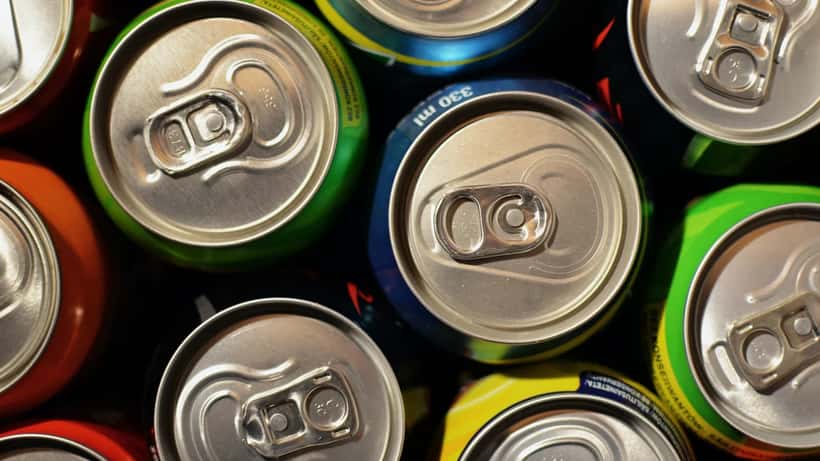
Gen Z has a new smoke break, and it comes from the fridge. A viral TikTok video by @reallyrachelreno — now viewed more than 3.5 million times — sparked the "fridge cigarette" trend: cracking open an ice-cold can of Diet Coke as a deliberate pause, a mini-ritual to reset during a stressful day. The clip struck a nerve. Within weeks, the hashtag spread across platforms, turning Diet Coke into a cultural shorthand for a generation navigating burnout without the stigma of actual cigarettes.
The trend is funny, relatable, and genuinely interesting — but health professionals want to make sure the "it's just soda" framing doesn't obscure a few things worth knowing before that fifth can of the day.
Why Diet Coke Feels Like a Cigarette (According to Science)
The comparison is more literal than it sounds. A psychotherapist quoted by Fast Company explained that Diet Coke can function as an "emotional stand-in" — a small, reliable ritual that offers structure and comfort during hectic or transitional moments. The crisp crack of the can, the carbonation hitting the back of your throat, the cold jolt: all of these deliver a quick burst of sensory stimulation that can feel genuinely grounding.
Caffeine plays a role too. Diet Coke contains more caffeine than regular Coca-Cola — approximately 46 mg per 12-ounce can, compared to 34 mg in regular Coke. Caffeine increases dopamine signaling by blocking adenosine receptors in the brain, producing a mild but real mood lift. It is not as neurochemically powerful as nicotine, but it is habit-forming enough that skipping a daily can often produces a recognizable headache.
The pattern that emerges — craving a specific drink at a specific moment for a specific emotional effect — is textbook ritual dependency. That is not automatically harmful. Morning coffee follows the same logic. But it is worth understanding what is driving the craving.
What the Research Actually Says About Aspartame
Diet Coke is sweetened with aspartame, and the controversy around aspartame resurfaced in 2023 when the World Health Organization's cancer research arm (IARC) classified it as "possibly carcinogenic to humans" — Group 2B. The headline spread fast. The context spread slower.
Group 2B is the IARC's lowest-concern cancer category. It also includes aloe vera extract, talc-based body powder, and pickled vegetables. The classification means "limited evidence" of a possible link in animal or human studies — not that it causes cancer at typical consumption levels. The Joint FAO/WHO Expert Committee on Food Additives (JECFA) simultaneously reaffirmed the acceptable daily intake of 40 mg of aspartame per kilogram of body weight. A 150-pound adult (approximately 68 kg) would need to consume more than 14 cans of Diet Coke per day to approach that threshold.
The FDA reviewed the same evidence and stated it "disagrees with IARC's conclusion" and has "no safety concerns when aspartame is used under the approved conditions."
However, newer research adds nuance. A 2020 study cited by multiple health outlets found that high consumption of artificially sweetened beverages was associated with a modestly elevated risk of heart disease. The keyword is "high" — and this is an association, not a proven cause-and-effect relationship. Researchers note that people who drink large quantities of diet beverages often have other confounding factors in their health profiles.
The Two Patterns That Concern Doctors
When health professionals flag the "fridge cigarette" trend, they are generally not concerned about the occasional cold can. What they are watching for are two specific patterns:
Appetite suppression and dietary substitution. Some people use Diet Coke to suppress hunger, particularly those managing their weight. The carbonation creates a sensation of fullness, and the caffeine can blunt appetite signals. Used habitually as a meal substitute, this becomes a nutritional concern — not because of the soda itself, but because of what is not being eaten alongside it.
Stress management dependency. When a beverage becomes the primary tool for managing anxiety, work stress, or emotional transitions, it may be masking a problem that a doctor, therapist, or nutritionist could address more effectively. As Business Standard noted, when Diet Coke becomes a daily emotional crutch, it can reinforce patterns of avoidance — using a sensory stimulus to manage discomfort rather than addressing its source.
Neither of these is unique to Diet Coke. Coffee, energy drinks, and even water can become dependency props in the same way. The fridge cigarette framing just makes the pattern unusually visible.
When to Actually Talk to a Doctor
For most people drinking one to three cans per day, the answer from most major health authorities is: you are fine. But here is when a conversation with a health professional is genuinely warranted:
- You have phenylketonuria (PKU), a genetic condition that prevents the body from processing phenylalanine, an amino acid in aspartame. For people with PKU, aspartame consumption can cause serious neurological harm. The FDA requires aspartame-containing products to carry a PKU warning.
- You are experiencing irregular heartbeat, anxiety spikes, or sleep disruption that correlates with caffeine intake from sodas and coffee combined.
- You are using Diet Coke to manage appetite and have not discussed your nutritional approach with a physician or registered dietitian.
- You find yourself anxious or irritable when you skip your usual soda — a marker of caffeine dependency that may benefit from a structured reduction plan.
According to the U.S. Food and Drug Administration's guidance on aspartame, the sweetener is safe for the general population under approved conditions. But "safe at typical doses" and "optimal for your personal health goals" are two different assessments — and only a physician or registered dietitian can make the second one.
The Bigger Picture: What Gen Z Is Actually Telling Us
The fridge cigarette trend is not really about Diet Coke. It is about burnout. Gen Z entered the workforce during a pandemic, is navigating high housing costs, high anxiety, and a cultural moment that treats hustle as a baseline expectation. A cold can of soda as a smoke break replacement is a creative and relatively harmless coping mechanism — but it is a coping mechanism.
If your fridge cigarette is the highlight of your workday, that is information worth paying attention to. A doctor can help you determine whether the daily ritual is a minor habit or a signal worth investigating further.
This article is for informational purposes only and does not constitute medical advice. Consult a licensed healthcare provider for personalized health guidance.
