 Cora Nelson
Bare Knuckle Fighting Championship made its Hawaii debut on April 11, 2026, bringing the fastest-growing combat sport in the US to Honolulu — and with it, renewed questions about the serious medical risks fighters face without gloves.
BKFC Fight Night 36 featured local fighter Ikaika Pitolo in the main event at the Neal S. Blaisdell Center, marking a milestone for the sport's national expansion. But while fans cheered the raw, unfiltered action, sports medicine specialists are watching the trend with growing concern.
What Is Bare Knuckle Fighting — and Why Does It Hurt More?
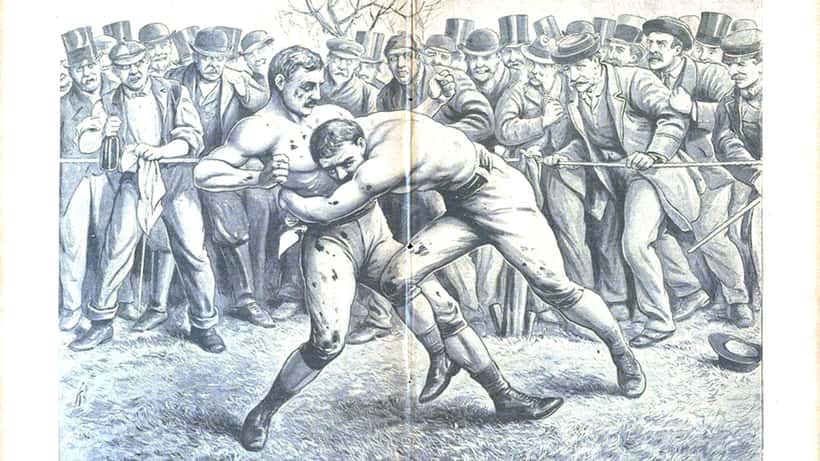
Unlike traditional boxing or MMA, BKFC fighters compete with no gloves or hand wraps on their knuckles. The rules allow punches to the head and body, but not elbows or knees. According to the Bare Knuckle Fighting Championship's official rules published on their website, fights are conducted over five rounds of two minutes each.
The absence of gloves changes the injury calculus significantly. Without glove padding distributing impact force:
- Hand and wrist fractures are more common — the metacarpals and phalanges absorb direct impact against an opponent's skull
- Facial lacerations occur at higher rates than in gloved boxing, as bare knuckles cause deep cuts more readily
- Concussive force may actually be lower per strike, since fighters instinctively pull their punches to protect their hands — but cumulative head trauma remains a serious concern
A 2023 study published in Orthopaedic Journal of Sports Medicine noted that combat sport athletes experience some of the highest rates of musculoskeletal injury among professional athletes, with hand and facial injuries leading the statistics for bare knuckle formats.
The Fighter's Dilemma: Competing Through Pain
Many professional combat athletes delay seeking medical care. Cultural pressure to "tough it out," financial concerns about missing training camp, and fear of being pulled from an upcoming fight all push fighters to ignore warning signs.
This is a critical mistake, according to sports medicine physicians. Several injuries that appear minor can mask serious underlying damage:
Broken hands: A boxer's fracture (break of the fifth metacarpal, the bone behind the little finger) is among the most common bare-knuckle injuries. Left untreated, improper healing can cause permanent loss of grip strength and range of motion.
Orbital fractures: A direct punch to the eye socket can fracture the orbital floor — the thin bone beneath the eyeball. Symptoms include double vision, pain when moving the eye, or a sunken appearance. Untreated orbital fractures can lead to chronic vision problems.
Concussion and CTE risk: Combat sports carry well-documented risks of traumatic brain injury. The Centers for Disease Control and Prevention notes that repeated concussions — even "mild" ones — can lead to chronic traumatic encephalopathy (CTE), a degenerative brain disease found in autopsy of many former contact sport athletes.
When Should a Combat Athlete See a Doctor?
Sports medicine specialists recommend seeking immediate medical evaluation after any fight that involves:
- Loss of consciousness, even briefly
- Persistent headache lasting more than 24 hours after a fight
- Visual disturbances — blurred vision, double vision, light sensitivity
- Numbness or tingling in the hands or fingers after a fight
- A "pop" or snapping sensation in the hand, wrist, or shoulder during a bout
- Swelling that increases over 48 hours rather than decreasing
Even outside a competition, fighters who train regularly should schedule annual evaluations with a physician familiar with contact sports. Neurological baseline testing, vision screening, and cardiovascular assessment can identify cumulative damage before symptoms become debilitating.
Amateur Fighters: A Growing Concern
BKFC's Hawaii debut underscores a broader trend: combat sports participation is surging at the amateur level. According to the Sports & Fitness Industry Association, participation in combat sports including boxing, MMA, and kickboxing grew by 22% between 2020 and 2025.
Weekend warriors and amateur fighters face the same injury risks as professionals — often with less access to ringside medical staff, no mandatory post-fight medical examinations, and no sports medicine team on retainer.
For amateur practitioners, the risk-to-benefit calculation around bare knuckle training is especially important. Boxing gyms and MMA centers that offer BKFC-style sparring sessions may not require the same pre-participation medical clearance that professional sanctioning bodies mandate.
Before stepping into any bare-knuckle format — even a gym sparring session — athletes of any level should:
- Complete a baseline neurological evaluation
- Disclose any prior concussions or head injuries to their physician
- Understand that no mouthguard or headgear fully prevents concussive injury
- Have a plan for post-contact medical follow-up
The Legal Side: Waivers, Liability, and Promoter Obligations
Combat sports promoters like BKFC require fighters to sign comprehensive liability waivers before competing. These documents typically release the organization from responsibility for injuries sustained during competition. However, waivers have legal limits.
In several US states, courts have found that waivers cannot release promoters from liability for gross negligence — such as failing to provide adequate ringside medical personnel, allowing a visibly injured fighter to continue, or not meeting state athletic commission standards.
Fighters who believe they were inadequately protected, or whose injuries were worsened by promoter negligence, should consult a personal injury attorney familiar with sports law before signing any settlement.
The Hawaii State Athletic Commission oversees combat sports in the islands. Events must comply with their medical requirements, including ringside physician presence and ambulance standby. Understanding your rights as a licensed competitor — and knowing when promoter conduct crosses the line from assumed risk into negligence — can make a significant difference in your ability to recover damages for career-ending injuries.
ExpertZoom: Connecting Fighters with the Right Specialists
Whether you're a professional BKFC fighter preparing for your next bout or a weekend warrior who trains at a local gym, connecting with qualified sports medicine physicians is one of the most important investments you can make in your long-term health.
ExpertZoom's network of medical specialists includes doctors experienced in sports medicine, neurology, orthopedics, and rehabilitation — professionals who understand the specific demands and risks of combat athletics. A proactive medical consultation costs far less than treating a preventable chronic condition.
BKFC's expansion into Hawaii signals that bare knuckle fighting is here to stay. As the sport grows, so does the importance of educated, prepared athletes who know when to fight — and when to see a doctor.
This article is for informational purposes only and does not constitute medical or legal advice. Always consult a qualified healthcare professional for medical concerns.
