 Davis Caesar
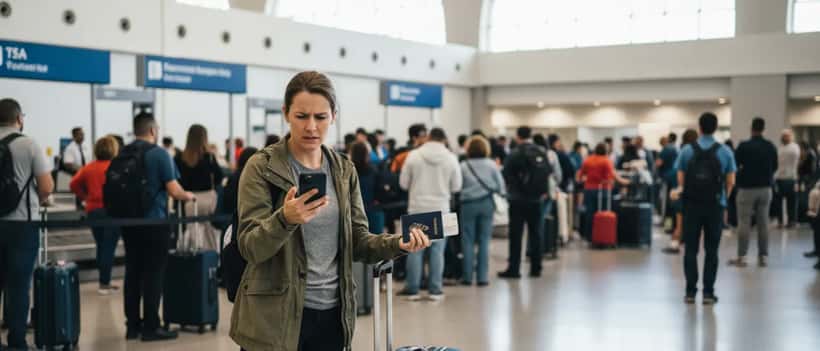
Travelers at Hartsfield-Jackson Atlanta International Airport faced TSA security wait times exceeding 90 minutes throughout March 2026, triggering widespread flight delays and cancellations. The world's busiest airport saw over 1,000 disrupted flights as TSA call-out rates hit 36 percent, triple the normal rate, following the federal government funding lapse.
TSA Staffing Crisis Cripples Security Checkpoints
Atlanta's main security checkpoints recorded wait times between 75 and 90 minutes on most March 2026 days, with early-month peaks surpassing two hours. More than 350,000 weekend travelers experienced delays as TSA officers called out at unprecedented rates. Orlando International Airport simultaneously reported 105-minute waits, signaling a nationwide security infrastructure breakdown.
The staffing shortage stems directly from the federal funding lapse that began in late 2025. TSA officers, classified as essential workers, continued reporting to work without guaranteed paychecks. Financial strain pushed the call-out rate from the typical 12 percent to 36 percent at Atlanta alone. Airport officials scrambled to consolidate checkpoints and redirect passengers, but the sheer volume of travelers overwhelmed remaining capacity.
Delta Air Lines, which operates its largest hub at Hartsfield-Jackson, advised passengers to arrive three hours before domestic flights and four hours before international departures. The airline canceled over 300 flights during the first three weeks of March, citing cascading delays from security bottlenecks. Southwest Airlines and United Airlines implemented similar schedule reductions.
What US Law Actually Guarantees Passengers
When airlines cancel flights or make significant schedule changes, the US Department of Transportation requires automatic refunds within seven business days. This rule applies regardless of cancellation reason, including weather, staffing shortages, or air traffic control issues. Passengers who accept rebooking forfeit refund rights, making immediate decision-making critical.
However, the DOT paused enforcement of expanded refund rules until June 30, 2026, creating regulatory uncertainty. Airlines must still provide refunds for cancellations, but the specific timeline and method remain subject to carrier discretion until enforcement resumes. Passengers should request refunds in writing and document all communication with airlines.
For delays without cancellations, US federal law provides virtually no mandatory compensation. Airlines voluntarily offer meals after three-hour delays and hotel accommodations for overnight disruptions, but these remain policy decisions rather than legal requirements. Carriers can change or eliminate these benefits without violating federal regulations.
The contrast with international standards reveals significant passenger protection gaps. TSA wait times during government shutdowns expose vulnerabilities in US aviation infrastructure that other countries address through stricter regulations.
The US-Europe Compensation Divide
European Union Regulation 261/2004 mandates cash compensation between €250 and €600 for flight delays exceeding three hours, depending on distance. These payments apply even when delays result from airline operational issues, not just controllable factors. Passengers receive money directly, not vouchers or airline credits.
American travelers enjoy no equivalent federal protection. Proposed Department of Transportation rules introduced in December 2025 would have required airlines to compensate passengers for controllable delays exceeding three hours. The regulations were withdrawn in November 2025 before implementation, leaving passengers reliant on voluntary airline policies.
Credit card travel insurance provides the primary compensation avenue for US passengers. Premium cards often cover trip delays exceeding six or twelve hours, reimbursing meals, accommodations, and essential purchases. Passengers must file claims within strict timeframes and provide extensive documentation. Coverage maximums typically range from $500 to $1,500 per incident.
Some states enacted consumer protection laws addressing airline conduct. California's Consumer Legal Remedies Act allows passengers to sue airlines for deceptive practices, including misrepresenting refund policies or delay assistance. New York's General Business Law similarly prohibits false advertising about passenger rights. These state-level protections supplement but don't replace absent federal compensation mandates.
When Legal Counsel Becomes Necessary
Passengers should consult attorneys when airlines refuse legitimate refund requests or misrepresent passenger rights. If an airline cancels a flight but claims passengers don't qualify for refunds, legal review can clarify DOT rule application. Documentation of all booking confirmations, cancellation notices, and airline communication strengthens potential cases.
Class action lawsuits occasionally emerge when airlines systematically deny refunds to large passenger groups. During the March 2026 Atlanta disruptions, consumer advocacy groups monitored refund denial patterns. Individual passengers can join existing class actions or file small claims court cases for amounts under state-specific limits, typically $5,000 to $10,000.
Travel insurance disputes also warrant legal consultation. When insurers deny claims for delay-related expenses, policy language interpretation becomes critical. Attorneys specializing in insurance law can identify coverage ambiguities and challenge denial justifications. Many policies exclude delays caused by government actions, potentially covering TSA staffing shortages differently than weather events.
Discrimination or accessibility violations during delays require immediate legal attention. Airlines must accommodate passengers with disabilities during extended delays and cancellations. Failure to provide accessible accommodations, communication assistance, or medical necessity considerations may violate the Air Carrier Access Act. Documenting denied requests and witness statements supports potential claims.
Protecting Your Rights as a Traveler
Enrollment in TSA PreCheck, CLEAR, or Global Entry significantly reduces security wait times even during staffing crises. TSA PreCheck members experienced 15-20 minute waits at Atlanta during peak March delays, while standard checkpoint passengers waited over 90 minutes. The $78 five-year TSA PreCheck fee provides substantial time savings during disruptions.
Passengers should always request refunds rather than rebooking when airlines cancel flights or make substantial schedule changes. Accepting airline-offered alternatives immediately forfeits refund rights under DOT regulations. Review alternative flights first, then decide whether rebooking serves your needs better than a refund plus independent rebooking.
Documenting everything creates essential evidence for disputes. Photograph airport information screens showing delays, save all email and text communications from airlines, and keep receipts for delay-related expenses. Credit card statements alone don't provide sufficient documentation for insurance claims or legal actions.
Travel during off-peak hours and days reduces exposure to security checkpoint bottlenecks. Tuesday through Thursday flights typically experience shorter TSA lines than Friday through Monday travel. Morning departures before 7:00 AM often clear security faster than midday rushes, though Atlanta's volume creates congestion at all hours.
Find Expert Legal Guidance
Navigating airline passenger rights requires understanding both federal regulations and individual carrier policies. When airlines deny refunds, misrepresent compensation policies, or fail to accommodate passenger needs during delays, experienced attorneys can protect your interests. Expert Zoom connects travelers with qualified legal professionals specializing in aviation consumer law.
Whether you're disputing a denied refund, seeking compensation for missed connections, or addressing accessibility violations, the right legal counsel makes the difference. Don't let airlines minimize your rights during travel disruptions. Consult with knowledgeable attorneys who understand the complexities of air travel regulations.
This article is for informational purposes only. Consult a qualified attorney for advice on your specific situation.
