 David Miller
Every breath you take depends on it. The medio ambiente — the environment — is not just a concept for scientists and policymakers. It is the living system that produces your food, filters your water, regulates your climate, and makes human civilization possible. Yet in 2026, this system faces pressures that previous generations never imagined.
Understanding what the environment actually means — in scientific, legal, and practical terms — is the first step toward protecting it. This listicle breaks down the 7 most critical dimensions of environmental health, from atmospheric chemistry to biodiversity loss, with the data and context you need to act intelligently.
1. Climate Change: The Accelerating Crisis
Climate change is the defining environmental challenge of our era. The Earth's average surface temperature has risen by approximately 1.1°C above pre-industrial levels [IPCC, 2023], triggering cascading consequences across every ecosystem on the planet.
The mechanics are well-established: greenhouse gases — primarily carbon dioxide (CO₂), methane (CH₄), and nitrous oxide (N₂O) — trap heat in the atmosphere. Since the Industrial Revolution, human activities have released enough CO₂ to push atmospheric concentrations past 420 parts per million (ppm), a level not seen in over 3 million years [NOAA, 2024].
The consequences are already visible. Hurricane intensity is increasing. Wildfire seasons are longer. Coral reefs are bleaching. The Arctic is warming four times faster than the global average, accelerating sea-level rise that threatens coastal cities from Miami to Jakarta.
"The window for limiting warming to 1.5°C is closing rapidly. Every fraction of a degree we prevent translates into lives saved and ecosystems preserved." — Dr. Katharine Hayhoe, Climate Science Communication, Texas Tech University [2023]
What this means for you: In the United States, climate-related disasters caused an estimated $150 billion in economic losses in 2024 alone [NOAA, 2024]. Homeowners in flood zones and wildfire corridors face rising insurance premiums — or no coverage at all.
2. Biodiversity Loss: The Silent Extinction Crisis
Biodiversity — the variety of life on Earth — is disappearing at a rate 100 to 1,000 times faster than the natural background extinction rate [IPBES Global Assessment, 2023]. Scientists refer to this as the sixth mass extinction, the first caused directly by a single species: Homo sapiens.
The Intergovernmental Science-Policy Platform on Biodiversity and Ecosystem Services (IPBES) estimates that approximately 1 million plant and animal species are currently threatened with extinction. Of the 8.7 million species estimated to exist on Earth, humans have catalogued fewer than 2 million — meaning countless species may vanish before we even discover them.
Why Biodiversity Matters Beyond Ecology
The economic case for biodiversity is just as compelling as the moral one. Ecosystem services — the benefits nature provides to human societies — are valued at an estimated $125 trillion per year globally [Costanza et al., Nature, 2022]. These include:
- Pollination: One-third of global food production depends on animal pollinators, primarily bees. Colony Collapse Disorder (CCD) continues to threaten honeybee populations across North America.
- Pest control: Natural predators suppress crop-destroying insects. Losing these predators forces farmers to increase pesticide use, creating a costly feedback loop.
- Pharmaceuticals: Over 50% of FDA-approved drugs between 1981 and 2019 were derived from or inspired by natural compounds [Newman & Cragg, Journal of Natural Products, 2020].
- Coastal protection: Mangrove forests and coral reefs buffer coastlines from storm surge. Their destruction exposes millions to flooding.
À retenir: Every species lost diminishes the resilience of the ecosystems that sustain human civilization. Biodiversity is not an optional feature — it is the operating system of the planet.
3. Air Quality: The Invisible Health Crisis

Air pollution is the world's largest environmental health risk. According to the World Health Organization (WHO), 99% of the global population breathes air that exceeds WHO quality guidelines [WHO, 2022]. In the United States, the American Lung Association's 2024 "State of the Air" report found that over 131 million Americans live in counties with unhealthy levels of particle pollution or ozone.
The primary pollutants of concern are:
- Particulate Matter (PM2.5): Fine particles smaller than 2.5 micrometers penetrate deep into lung tissue and enter the bloodstream. Long-term exposure is linked to heart disease, lung cancer, stroke, and premature death.
- Ground-level ozone (O₃): Formed when nitrogen oxides (NOx) and volatile organic compounds (VOCs) react in sunlight. Ozone damages lung tissue and aggravates asthma and other respiratory conditions.
- Nitrogen Dioxide (NO₂): Primarily from vehicle emissions and power plants. Linked to respiratory disease and disproportionately concentrated in low-income neighborhoods near highways.
The Environmental Justice Dimension
Air pollution does not affect everyone equally. Communities of color and low-income neighborhoods in the United States are exposed to 1.5 times higher concentrations of PM2.5 than white non-Hispanic communities, according to the EPA's 2021 Environmental Justice Report. This disparity — the result of historical zoning decisions, highway placement, and industrial facility permitting — is a core environmental justice issue.
The Clean Air Act (CAA) of 1970, and its 1990 amendments, established the EPA's authority to regulate air pollutants. Despite decades of progress — the US reduced six common air pollutants by 78% between 1970 and 2020 [EPA, 2021] — the work is unfinished.
4. Water: Scarcity, Contamination, and the Coming Crisis
Freshwater is Earth's most critical resource, yet it is under unprecedented strain. Only 2.5% of Earth's water is fresh, and of that, roughly two-thirds is locked in glaciers and ice caps. The accessible freshwater in lakes, rivers, and aquifers — the water human civilization runs on — represents less than 1% of total water on the planet [USGS, 2023].
Groundwater Depletion
Aquifer depletion is accelerating worldwide. The High Plains (Ogallala) Aquifer, which irrigates crops across eight US states from South Dakota to Texas, has been declining for decades. Some sections have lost more than 150 feet of water table depth since large-scale irrigation began in the 1950s [USGS, 2022]. At current depletion rates, parts of the aquifer could be functionally exhausted within decades — threatening the agricultural output of a region that produces 20% of US wheat, corn, and beef.
Water Contamination
Drinking water contamination remains a serious public health challenge in the United States. The case of Flint, Michigan — where lead-contaminated water poisoned children for years before authorities acknowledged the crisis — exposed the fragility of aging water infrastructure. The EPA estimates that replacing all lead service lines nationwide would cost between $28 billion and $48 billion [EPA, 2021].
Emerging contaminants, particularly Per- and polyfluoroalkyl substances (PFAS) — often called "forever chemicals" — have been detected in water supplies serving millions of Americans. The EPA set the first-ever national drinking water standards for PFAS in 2024, requiring public water systems to reduce six specific PFAS to the lowest measurable level.
Key takeaway: Access to clean water is a human right recognized by the United Nations. Protecting watersheds, regulating agricultural runoff, and investing in infrastructure are not optional expenditures — they are the foundation of public health.
5. Deforestation: Losing Earth's Lungs and Carbon Stores
Forests cover approximately 31% of Earth's land area and store more carbon than the entire atmosphere [FAO, Global Forest Resources Assessment 2022]. They are home to 80% of terrestrial biodiversity. And we are losing them at an alarming rate.
Global tree cover loss reached 4.1 million hectares per year on average between 2015 and 2020 [FAO, 2022]. The Amazon rainforest — the largest tropical forest on Earth and a critical carbon sink — lost 11,568 square kilometers of tree cover in 2022 alone, according to Brazil's National Institute for Space Research (INPE).
The Carbon Calculus
Forests are not just passive carbon stores. They are active participants in the global carbon cycle, absorbing approximately 2.6 billion tonnes of CO₂ per year [Nature Climate Change, 2023]. When forests are cleared and burned, this stored carbon is released back into the atmosphere, accelerating climate change. The emissions from tropical deforestation account for roughly 10% of global greenhouse gas emissions annually.
US Forest Cover
In the United States, forests cover about 750 million acres — roughly one-third of the country's land area [USDA Forest Service, 2023]. US forests sequester an estimated 16% of annual US CO₂ emissions. Federal protections, including the National Forest Management Act (NFMA) and the Endangered Species Act (ESA), govern how these lands are managed — but logging, wildfires, and disease continue to pressure forest health.
Deforestation in the US is also driven by agricultural expansion, urban development, and energy infrastructure. In the Southeast, industrial pine plantations have replaced diverse hardwood forests, reducing biodiversity while technically maintaining "forest cover" statistics.
6. Plastic Pollution: A Civilization-Scale Waste Problem
Since the 1950s, humanity has produced approximately 9.2 billion tonnes of plastic [Science Advances, 2017]. Of that, roughly 6.9 billion tonnes have become waste. Only 9% has ever been recycled. The rest ends up in landfills, incinerated, or — critically — in the natural environment.
The Plastic in Your Blood
Plastic does not biodegrade. It photodegrades into progressively smaller fragments, eventually becoming microplastics (particles smaller than 5 mm) and nanoplastics. These particles have been detected in human blood, lungs, placentas, and breast milk. A 2022 study in Environment International found microplastics in 77% of human blood samples tested.
The oceans bear the greatest burden. Scientists estimate that 8 million metric tonnes of plastic enter the ocean each year [Jambeck et al., Science, 2015] — equivalent to dumping a garbage truck's worth of plastic into the ocean every minute. The Great Pacific Garbage Patch, a vortex of plastic debris between Hawaii and California, now covers an area three times the size of France.
Policy and Industry Response
The United States generates more plastic waste per capita than any other country — approximately 130 kg per person per year [OECD, 2022]. Federal regulation of single-use plastics has been limited, though several states — California, Hawaii, and others — have enacted bans on plastic bags and Styrofoam containers.
The UN Environment Programme (UNEP) is negotiating a global plastics treaty, with negotiations expected to conclude by the end of 2025. The treaty aims to set legally binding reduction targets and establish standards for plastic product design, reuse, and end-of-life management.
"Plastic pollution is a full-scale planetary crisis. We need a treaty that matches the scale of the problem." — Inger Andersen, Executive Director, UN Environment Programme [2024]
7. The Path Forward: Policy, Technology, and Individual Action
Environmental challenges of this scale require action at multiple levels simultaneously. No single actor — government, corporation, or individual — can solve these problems alone. But the solutions exist. The question is whether we deploy them fast enough.
Policy Frameworks That Work
The US has a long history of successful environmental regulation. The Clean Water Act (CWA) of 1972 dramatically improved water quality in rivers and lakes that were effectively dead from industrial pollution. The ban on lead in gasoline, phased out between 1973 and 1995, reduced blood lead levels in American children by over 90% [CDC, 2020].
International frameworks are also advancing. The Paris Agreement, ratified by 195 parties, establishes a framework for limiting warming to well below 2°C. The Kunming-Montreal Global Biodiversity Framework, adopted in December 2022, commits nations to protecting 30% of land and ocean by 2030 — the "30x30" target.
Technology as an Enabler
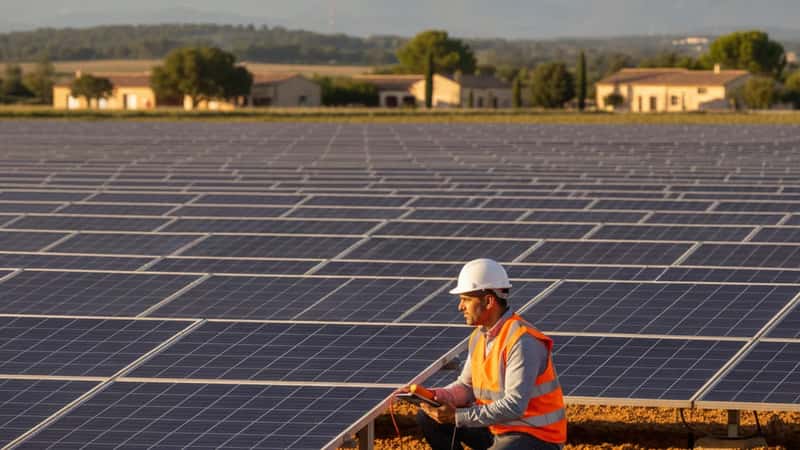
Renewable energy is now the cheapest form of new electricity generation in most of the world. Solar photovoltaic (PV) costs have fallen by 90% since 2010 [IRENA, 2023], making clean energy economically competitive with fossil fuels even without subsidies. The US Inflation Reduction Act (IRA) of 2022 provides approximately $369 billion in climate and clean energy investments over 10 years.
Electric vehicles (EVs), regenerative agriculture, carbon capture and storage (CCS), and precision fermentation are among the technologies scaling rapidly that could dramatically reduce environmental impact across sectors.
What Individuals Can Do — and Why It Matters
Individual action matters, though its scale is limited compared to systemic change. Research from the University of Michigan found that the average American's annual carbon footprint is approximately 16 tonnes of CO₂ equivalent — one of the highest in the world [MIT Carbon Footprint Calculator, 2023].
High-impact individual actions include:
- Reduce flying: A single transatlantic round-trip flight generates approximately 1.6 tonnes of CO₂ per passenger.
- Shift to plant-based eating: Meat and dairy account for 14.5% of global greenhouse gas emissions [FAO, 2021]. Even reducing red meat consumption 3 days per week cuts your dietary carbon footprint by up to 40%.
- Choose clean energy: Switching to a renewable electricity provider or installing solar panels can eliminate a significant portion of household emissions.
- Vote and advocate: Policy change at the systemic level has far greater impact than individual lifestyle changes. Civic engagement — voting for climate-conscious representatives, supporting environmental organizations — is perhaps the highest-leverage action available to individuals.
À retenir: The environment is not a special interest. Clean air, clean water, a stable climate, and thriving ecosystems are the prerequisites for human health, economic prosperity, and civilizational continuity. Protecting the medio ambiente is protecting ourselves.
Disclaimer: The information in this article is provided for educational purposes only. Environmental regulations vary by jurisdiction. Consult qualified environmental professionals for guidance specific to your situation.
How Environmental Experts Can Help You Navigate These Challenges
Whether you are a homeowner in a flood-prone area, a small business owner managing compliance obligations, or a local government official developing a sustainability plan, navigating environmental regulations and best practices can be complex. Connecting with qualified environmental consultants, lawyers, and sustainability experts provides access to specialized knowledge that general online research cannot replace.
Environmental law in the United States is a layered system of federal, state, and local regulations. The National Environmental Policy Act (NEPA), the Clean Air Act (CAA), the Clean Water Act (CWA), the Resource Conservation and Recovery Act (RCRA), and the Comprehensive Environmental Response, Compensation, and Liability Act (CERCLA — also known as Superfund) form the backbone of federal environmental protection. Each has its own compliance requirements, deadlines, and enforcement mechanisms.
Key Areas Where Expert Guidance Adds Value
Environmental impact assessments: Any major development project — residential, commercial, or industrial — may require an environmental impact assessment (EIA) under NEPA. An experienced environmental consultant ensures that the assessment is conducted correctly, reducing legal risk and community opposition.
Contaminated site remediation: Property owners who discover contamination on their land can face significant liability under Superfund. Environmental attorneys and remediation specialists help navigate the legal and technical dimensions of cleanup, including negotiating with regulators and identifying responsible parties.
Carbon footprint auditing: Businesses increasingly face pressure from investors, customers, and regulators to disclose and reduce their carbon emissions. Sustainability consultants help companies measure their Scope 1, 2, and 3 emissions under the Greenhouse Gas Protocol (GHG Protocol) framework and develop credible reduction pathways.
Renewable energy procurement: Transitioning to renewable energy involves complex decisions about power purchase agreements (PPAs), on-site solar, battery storage, and renewable energy certificates (RECs). Energy consultants help organizations optimize these decisions for cost, reliability, and environmental impact.
Biodiversity and habitat conservation: Land developers, farmers, and conservation organizations working in sensitive habitats benefit from the expertise of ecologists who understand species-specific requirements and regulatory obligations under the Endangered Species Act (ESA) and state wildlife laws.
The Growing Demand for Environmental Expertise
The global green economy is expanding rapidly. The International Labour Organization (ILO) estimates that the transition to sustainable economies could create 24 million new jobs worldwide by 2030 [ILO, 2023]. In the United States, clean energy employment reached 3.3 million workers in 2023, surpassing fossil fuel industry employment for the first time [Department of Energy, 2024].
This growth reflects a broader recognition that environmental protection and economic opportunity are not in conflict — they are increasingly aligned. Businesses that anticipate environmental regulations, reduce resource waste, and build sustainable supply chains are positioning themselves for long-term competitive advantage.
Understanding the Medio Ambiente: A Glossary of Essential Terms
Environmental literacy begins with understanding the terminology. Here are the most important concepts to know:
Biosphere: The zone of Earth where life exists — from the deepest ocean trenches to the upper atmosphere. The biosphere encompasses all ecosystems and all living organisms.
Carbon sequestration: The process by which carbon dioxide is captured and stored, preventing it from entering the atmosphere. Forests, soils, wetlands, and the ocean all act as natural carbon sinks. Technological carbon capture and storage (CCS) systems attempt to replicate this function at industrial scale.
Ecosystem services: The direct and indirect benefits that functioning ecosystems provide to humans. These are broadly categorized as provisioning services (food, water, timber), regulating services (climate regulation, flood control, disease suppression), cultural services (recreation, spiritual values, education), and supporting services (soil formation, nutrient cycling, photosynthesis).
Ecological footprint: A measure of how much of Earth's biologically productive land and water an individual, population, or activity requires to produce the resources consumed and absorb the waste generated. Global Footprint Network calculates that humanity currently uses the equivalent of 1.7 Earths per year [Global Footprint Network, 2024].
Tipping points: Thresholds in the climate system at which a small additional perturbation can trigger a large and often irreversible change. Scientists have identified 16 potential tipping points, including the collapse of the West Antarctic Ice Sheet, Amazon dieback, and permafrost degradation. Crossing multiple tipping points simultaneously could trigger a "cascade" effect that dramatically accelerates climate change beyond human control [Lenton et al., Science, 2023].
Circular economy: An economic model designed to eliminate waste and keep materials in use for as long as possible. The circular economy contrasts with the traditional linear "take-make-dispose" model by designing products for longevity, repair, and recyclability. The Ellen MacArthur Foundation estimates that a transition to a circular economy could generate $4.5 trillion in economic benefits by 2030.
Regenerative agriculture: Farming practices that actively restore soil health, increase biodiversity, and sequester carbon — rather than simply sustaining current productivity. Practices include cover cropping, reduced tillage, agroforestry, and managed grazing. The Rodale Institute estimates that regenerative agriculture applied globally could sequester more than 100% of current annual CO₂ emissions.
Just transition: The principle that the shift to a sustainable economy must be fair and inclusive, protecting workers and communities that currently depend on high-carbon industries. A just transition requires retraining programs, social safety nets, and community investment in regions facing economic disruption from decarbonization.
Understanding these concepts is essential for navigating the policy debates, investment decisions, and personal choices that will define the environmental trajectory of the coming decades.