
Iceland's roads demand a lot from any vehicle. Between volcanic gravel tracks, harsh winter ice, and remote highland routes, wear on brakes, suspension, and tyres happens faster than in most European countries. Finding a reliable mechanic before a breakdown occurs saves both money and stress. This guide walks through each stage of the process — from recognising warning signs to driving away after a successful repair.
Recognise the Warning Signs Before They Become Breakdowns
A mechanic visit starts long before you book an appointment. Catching small problems early prevents costly repairs later. Listen for grinding during braking — worn brake pads cost around 15,000–25,000 ISK to replace, but ignoring them can damage rotors and triple the bill [Icelandic Consumer Agency, 2025]. Vibrations at highway speed often point to unbalanced tyres or worn suspension bushings, both accelerated by Iceland's gravel roads.
Dashboard warning lights are another clear signal. The check-engine light, often dismissed, can indicate anything from a loose fuel cap to a failing catalytic converter. Modern diagnostic scanners (OBD-II) read these codes in minutes. A responsive mechanic will prioritise diagnostics before recommending parts.
Key takeaway: Three signs that need immediate attention — unusual noises during braking, persistent dashboard warnings, and visible fluid leaks under the car.
Choose Between a Dealership and an Independent Mechanic
Iceland has both authorised dealerships (umboð) and independent workshops (sjálfstæð verkstæði). Each suits different situations.
| Criteria | Dealership | Independent mechanic |
|---|---|---|
| Hourly rate | 18,000–24,000 ISK | 12,000–18,000 ISK |
| Warranty compliance | Required for new-car warranty | Allowed under EU Block Exemption |
| Specialisation | Brand-specific training | Broad multi-brand experience |
| Wait time | Often 1–3 weeks | Typically 2–7 days |
| Parts used | OEM only | OEM or quality aftermarket |
Under the EU Block Exemption Regulation (EC No. 461/2010), which Iceland follows through the European Economic Area (EEA) agreement, using an independent mechanic does not void your manufacturer's warranty — provided they use equivalent-quality parts [Samkeppniseftirlitið, 2024]. This is a common misconception that costs Icelandic drivers thousands of krónur in unnecessary dealership visits.
For vehicles under three years old, dealership service often makes sense to maintain the digital service record. Beyond that age, a trusted independent mechanic typically offers faster turnaround and lower labour rates.
Verify Credentials and Workshop Quality

Not every workshop in Iceland meets the same standards. The Icelandic Transport Authority (Samgöngustofa) maintains a registry of authorised vehicle inspection stations, and any mechanic performing safety-related work should hold a sveinspróf (journeyman's certificate) in vehicle mechanics.
What to check before booking
- Valid operating licence — ask for the workshop's starfsleyfi number, verifiable through Samgöngustofa.
- Insurance coverage — a reputable mechanic carries liability insurance covering damage during repairs.
- Transparent pricing — Icelandic consumer law (lög nr. 16/2016 um neytendasamninga) requires written estimates before work begins when the customer requests one.
- Online reviews — check Google reviews and local forums like Bland.is for workshop reputation.
A real scenario illustrates why this matters. Jón, a driver in Akureyri, brought his Toyota Hilux to an unlicensed workshop for a brake job. The work failed inspection two months later, costing him an additional 45,000 ISK to redo the repair at a certified shop. Verifying credentials upfront would have saved both the money and the hassle.
Understand Iceland's Vehicle Inspection Requirements
Every registered vehicle in Iceland must pass a periodic safety inspection (skoðun) administered by Samgöngustofa-approved stations. The inspection schedule depends on vehicle age:
- New vehicles: first inspection after 4 years
- 4–10 years old: every 2 years
- Over 10 years old: annually
A mechanic who understands the inspection checklist can prepare your car in advance, addressing common failure points — worn tyres below the 1.6 mm legal tread depth, faulty lighting, corroded brake lines, and emissions levels exceeding limits. Pre-inspection servicing typically costs 20,000–40,000 ISK depending on the work needed [Frumherji vehicle inspection centres, 2025].
Failing an inspection means your vehicle cannot be legally driven until repairs are made and a re-inspection is passed. Planning ahead with a mechanic familiar with the inspection criteria avoids last-minute rushes and potential fines of up to 50,000 ISK for driving an uninspected vehicle [Samgöngustofa, 2025].
Budget for Common Repairs in Iceland
Labour and parts in Iceland are more expensive than in mainland Europe due to import costs and a smaller market. Knowing typical price ranges helps you spot fair quotes and avoid overcharges.
These ranges reflect independent workshop pricing in the Reykjavík capital area [Bílabúð Íslands market survey, 2025]. Dealership rates run 20–40% higher. Outside Reykjavík — in towns like Akureyri, Ísafjörður, or Egilsstaðir — prices may vary due to limited competition, but travel to the capital for cheaper repairs rarely makes financial sense once you factor in fuel and time.
Always request an itemised quote separating labour hours from parts costs. This transparency lets you compare and question any line item.
Build a Long-Term Relationship With Your Mechanic
The best mechanic is one who knows your car's history. A consistent workshop relationship means the mechanic understands your vehicle's quirks, past repairs, and upcoming maintenance needs.
Three steps to establish trust
- Start with a minor service — an oil change or tyre rotation lets you evaluate communication, punctuality, and workshop cleanliness before committing to major work.
- Keep your own records — photograph receipts and note mileage at each visit. This documentation protects you in warranty disputes and helps any future mechanic understand the car's service history.
- Communicate clearly — describe symptoms (what you hear, feel, or see) rather than diagnosing the problem yourself. A good mechanic asks follow-up questions and explains findings in plain language.
In Iceland's small communities, reputation matters enormously. Word-of-mouth recommendations from neighbours, colleagues, or local Facebook groups (such as "Bílar og viðgerðir" communities) remain the most reliable way to find a workshop that delivers honest, competent work consistently.
"A mechanic who explains what they found, what they fixed, and what can wait earns a customer for life. Transparency is the foundation of trust in this trade." — Sigurður Magnússon, certified vehicle technician, Reykjavík
Seasonal Maintenance That Prevents Expensive Repairs
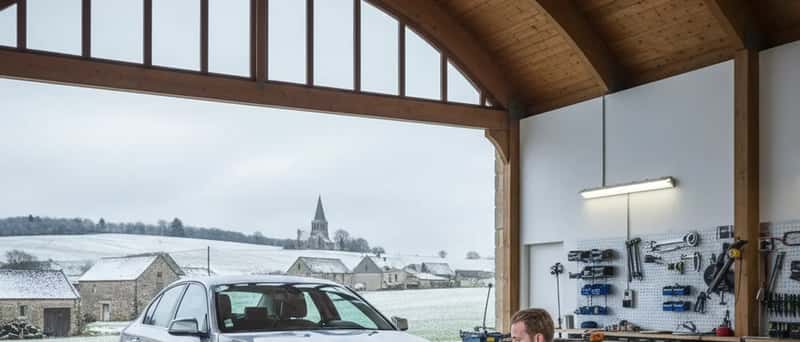
Iceland's extreme climate demands a seasonal maintenance rhythm. Skipping these steps is the most common reason Icelandic drivers face avoidable repair bills.
Before winter (October–November):
- Switch to studded winter tyres (nagladekkir) — mandatory on ice-prone roads and legally required equipment in many highland areas
- Test the battery — cold temperatures reduce battery capacity by up to 40% [Icelandic Automobile Association (FÍB), 2025]
- Check antifreeze concentration — a mechanic uses a refractometer to verify protection down to -35°C
- Inspect heater core and cabin heating — essential when temperatures drop below -15°C in northern regions
Before summer (April–May):
- Switch back to summer tyres — studded tyres are prohibited after 15 April on most roads
- Inspect suspension and undercarriage for winter salt and gravel damage
- Replace windscreen washer fluid with summer-grade solution
- Check air conditioning refrigerant levels before warmer months
A single pre-winter check at a trusted mechanic typically costs 10,000–15,000 ISK for the inspection itself, excluding any parts replaced. This small investment often prevents mid-winter breakdowns on roads where roadside assistance can take hours to arrive.
Disclaimer: The information on this page is provided for general guidance only and does not constitute professional mechanical advice. Always consult a certified mechanic for your specific vehicle and situation.
