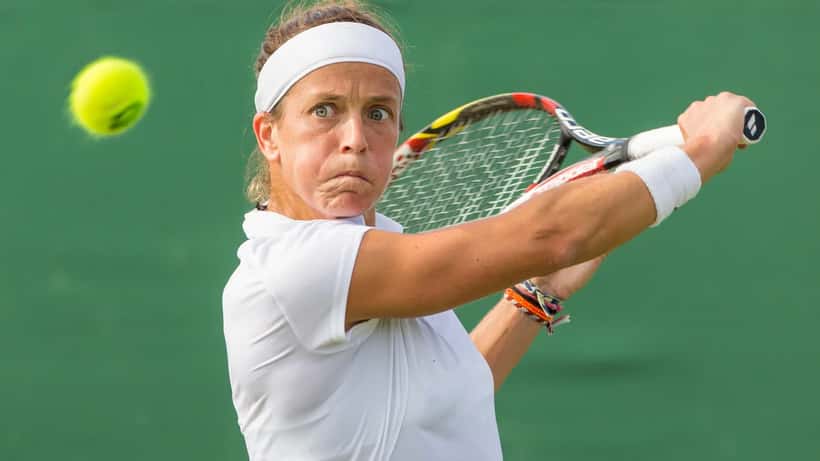
 Charlotte Hughes
Wimbledon qualifying has begun. As of today, 22 June 2026, hundreds of professional tennis players are competing at the Community Sports Centre in Roehampton for one of just 16 places in the gentlemen's and ladies' main draw at The Championships — which begins 29 June. The stakes this year are record-breaking: total prize money has reached £64.2 million, a 20% increase from 2025 and the largest year-on-year rise in Wimbledon's 149-year history. Even losing in the first round of the main draw earns £80,000.
But behind the grass-court drama at Roehampton lies a tangle of legal questions that most players enter qualifying without ever fully resolving. Whether you are a professional athlete fighting through three rounds, a junior on the cusp of turning pro, or a player advised by an agent, here are five legal questions a solicitor would urge you to answer before your first match.
1. Does Your Agent Contract Give You the Right Terms for This Prize Money?
With Wimbledon prize money at record levels, agent-player agreements deserve urgent scrutiny. Many players sign representation contracts without independent legal advice — sometimes as teenagers. A sports law solicitor will examine commission rates (industry standard is 15–20%), the scope of exclusivity, and — critically — whether your agent is entitled to a share of prize money earned after the contract ends.
Trailing commission clauses are common and often poorly understood. If you win enough matches at Wimbledon 2026 to earn a significant payout, you need to know exactly who takes a cut before any money reaches your account.
This question is especially pressing for younger players. As explored in our guide on what young sports prodigies need to know about career contracts, the contracts signed early in a career can have consequences that last a decade.
2. What Are the Consequences of Withdrawing After Entry?
Qualifying round withdrawals happen every year. A pulled muscle on the warm-up court, a shoulder that did not recover in time, a last-minute illness — grass courts are physically demanding, and Roehampton's schedule is unforgiving. But withdrawing carries legal and financial consequences that many players discover only after the fact.
Under both the ATP Tour Rulebook and the WTA Official Rulebook, late withdrawals from Grand Slam qualifying can trigger ranking point penalties. Sponsorship contracts frequently include minimum appearance obligations: a Wimbledon withdrawal could activate financial penalties or void performance bonuses agreed for the season.
If your sponsorship agreement was drafted without legal input, now is the time to have a solicitor review it — not once you have already pulled out and the sponsor's legal team is in touch.
3. Can You Challenge a Wildcard Decision?
This year's Wimbledon wildcards include Stan Wawrinka and Grigor Dimitrov on the men's side, alongside four British players nominated through the LTA Wild Card Policy 2026. Wildcard allocation is discretionary, governed by the AELTC's internal committee and the LTA's published criteria.
For players who believe they were unfairly overlooked — perhaps citing recent grass-court performance, ranking trajectory, or injury absence from the assessment window — legal options are limited, but they are not zero. The Court of Arbitration for Sport (CAS) in Lausanne has jurisdiction over certain Grand Slam eligibility disputes. The ITF's own dispute mechanisms may also apply in specific circumstances.
A sports solicitor can assess the realistic prospects of any challenge quickly. Given the short window between wildcard announcements and the start of qualifying, seeking advice the moment a decision is announced is essential.
4. Nationality, Eligibility and the Right to Represent Your Country
Wimbledon imposes no nationality restriction on entry to The Championships. However, tennis players also participate in team competitions — Davis Cup and Billie Jean King Cup — where strict ITF eligibility rules apply.
Under ITF Regulation 13, a player may change national representation only once after first representing any nation. A three-year waiting period then applies before the switch takes effect in most circumstances. For players with dual citizenship or those who have recently naturalised, the interaction between immigration law, ITF rules, and tournament entry requirements can be genuinely complex.
Getting this wrong has career-defining consequences. A solicitor with expertise in both sports law and immigration law can clarify your eligibility status and identify any steps you need to take before committing to a national team — or before a conflict arises at entry.
5. Image Rights: Who Profits From Your Wimbledon Moment?
Wimbledon's global broadcast footprint is vast. A qualifying match at Roehampton is covered by international cameras, and a standout performance can generate clips, highlight packages, and commercial interest that circulates for years. But the legal ownership of that moment is rarely straightforward.
Players must understand the distinction between their personal image rights — which belong to them — and the broadcast rights licensed by the AELTC to partners including the BBC and ESPN. Sponsorship agreements frequently grant brands a right to use the player's image during Wimbledon, but those rights must be precisely scoped. Vague language around "event appearances" or "promotional use" has led to protracted disputes.
Under UK law, there is no standalone image rights statute. An Image Rights Agreement (IRA) is the primary legal instrument a player relies on. Without a properly drafted IRA, commercial interests built on years of work can be assigned — inadvertently or otherwise — to an agent, sponsor, or management company.
This concern extends beyond tennis. As highlighted in our earlier piece on what major sporting events mean for UK employment law and contractual rights, major international competitions consistently expose gaps in contracts that were never designed with global exposure in mind.
Seek Advice Now — Before the Draw
The qualifying competition at Roehampton runs until 25 June 2026. Players who progress enter a main draw beginning 29 June, stepping into contract, commercial, and regulatory territory with little time to correct legal missteps.
According to Sport Resolutions UK, the official independent body for resolving disputes in sport, many sports contract disputes could be avoided entirely with early legal advice — before an event, not after.
YMYL disclaimer: This article is for informational purposes only and does not constitute legal advice. Rules, timelines, and eligibility criteria in professional tennis are subject to change. Always consult a qualified solicitor for advice specific to your situation.
ExpertZoom connects UK residents with specialist solicitors experienced in sports law, contract review, and image rights. Whether you are heading to Roehampton this week or preparing for the next professional milestone, getting expert legal guidance now is always the right first serve.
