 Imogen Bennett
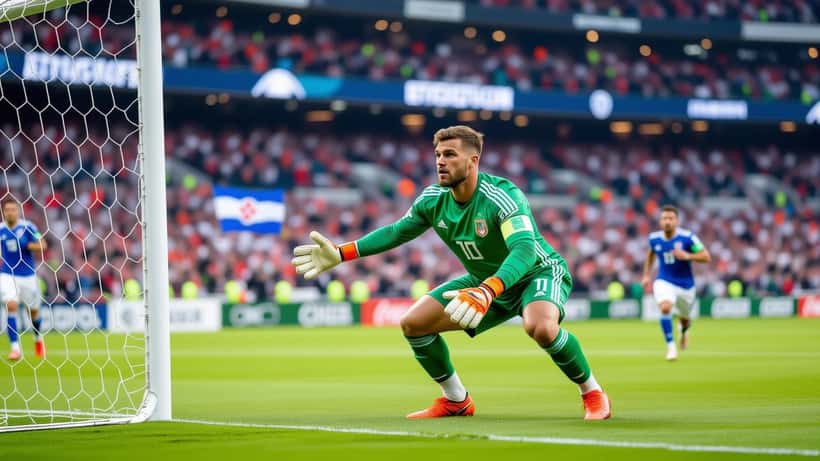
On 15 June 2026, a goalkeeper named Josimar José Évora Dias — known across Cape Verde and football circles simply as "Vozinha" — walked onto a pitch at a FIFA World Cup for the first time in his career. He was 36 years old, had been playing for the Cape Verde national team since 2008, and had spent eighteen years waiting for this moment. For Cape Verde, it was their first ever appearance at a World Cup finals. For Vozinha, it was the culmination of an entire professional life.
The financial story behind that moment is one that rarely gets told — and it contains lessons for any professional navigating a late-career breakthrough and the sudden financial opportunities it can create.
Cape Verde at the 2026 World Cup: The Numbers
For Cape Verde, qualification for the 2026 World Cup represented not just a sporting achievement but a significant financial event for the archipelago of 560,000 people off the west coast of Africa. FIFA allocates group stage prize money of approximately $20 million per participating nation, with further payments made per day of tournament participation for training squads.
According to FIFA's financial transparency hub, a significant portion of these funds flow directly to the competing federation, which then distributes sums to clubs releasing players and, through bonuses, to the players themselves. For a federation the size of Cape Verde's, group stage prize money alone can represent a multiple of their annual operating budget.
The players in Cape Verde's squad are drawn largely from clubs in Portugal, Spain, France, and the Netherlands. Vozinha himself plays for GD Chaves, a Portuguese club that competes in the top flight of Portuguese football. These are not the mega-earning environments of the Premier League or La Liga — making World Cup bonuses a materially significant addition to annual earnings.
What World Cup Bonuses Actually Mean for Players
FIFA's prize money is distributed to national federations, who then manage individual player bonuses according to their own structures. These bonuses can range from roughly $50,000 to $250,000 per player for group stage participation, depending on the federation's arrangement — a significant sum for players who may earn between €3,000 and €20,000 per month at club level.
For a veteran player like Vozinha, whose career at club level has been built across modest Portuguese football rather than the financial heights of Europe's major leagues, a World Cup tournament bonus represents a genuinely life-altering sum. The timing matters enormously: he is at the end of his playing career, and this windfall arrives at exactly the moment when financial planning for post-career life becomes critical.
This is the challenge many athletes from smaller football nations face: a sudden, significant financial event arriving at a late career stage, without the financial infrastructure — advisers, agents, investment frameworks — that top-level players at elite clubs benefit from routinely.
The Late-Career Financial Planning Problem
Athletes who spend most of their careers in modest leagues typically do not accumulate the same wealth as their counterparts at elite clubs. Their earnings are sufficient to live on, but rarely excessive enough to create the kind of financial cushion that top-flight players build naturally. When a late-career windfall arrives — a World Cup bonus, a surprise transfer fee, an endorsement deal created by tournament exposure — many are unprepared to manage it.
Research from sports finance organisations consistently finds that a high proportion of professional athletes experience significant financial difficulty within five years of retirement. The reasons are varied: lack of investment planning, lifestyle inflation during peak earning years, absence of pension provision, and — perhaps most significantly — the sudden loss of regular income that retirement brings.
A wealth manager with experience in athlete contracts and life-stage financial planning can help in several concrete ways at a moment like this:
1. Tax planning on bonuses. World Cup bonuses received by Cape Verde players based in Portugal or Spain may be subject to different tax treatments than regular club wages, depending on residency status, treaty arrangements, and how the bonus is classified. Understanding this before the money arrives is far better than dealing with an unexpected tax bill afterwards.
2. Investment of a lump sum. A single World Cup bonus, well-invested, can generate income throughout retirement. Poorly managed, it can disappear within a year. The decision to put unexpected funds into property, diversified assets, or a pension depends entirely on the individual's existing financial position — which is why personalised advice is essential rather than generic guidance.
3. Post-career income planning. Vozinha, at 36, is at the end of his playing career. The World Cup spotlight creates opportunities: coaching roles, media appearances, commercial endorsements in Cape Verde and among its diaspora community. A financial adviser can help structure these potential income streams sensibly.
The Vozinha Story as a Mirror for Late-Career Professional Breakthroughs
Vozinha's story resonates beyond football. Many professionals experience a significant financial opportunity late in their career — a promotion with a substantial salary increase, a freelance contract, a redundancy payout, an inheritance, or the sale of a business. The challenge is always the same: how do you manage a financial step change that arrives when your earning years are numbered?
The answer, in every case, is to get advice before spending. The tax implications of a lump sum differ from those of regular income. The right investment strategy for a 36-year-old with fifteen years until retirement is very different from the strategy for a 25-year-old with forty years. And the emotional significance of a sudden windfall — the sense of reward after years of effort — makes it harder, not easier, to make rational decisions without support.
For Vozinha, the World Cup is the end of one journey and the beginning of another. As ExpertZoom's analysis of World Cup athlete financial planning explored in the context of other smaller nations at the 2026 tournament, the financial stakes of a first World Cup appearance extend well beyond the pitch.
Whether you are a Cape Verde goalkeeper at 36 or a professional reaching a late-career inflection point, the message is the same: a financial adviser can help you make the most of the moment you have worked your whole career toward.
