 Imogen Bennett
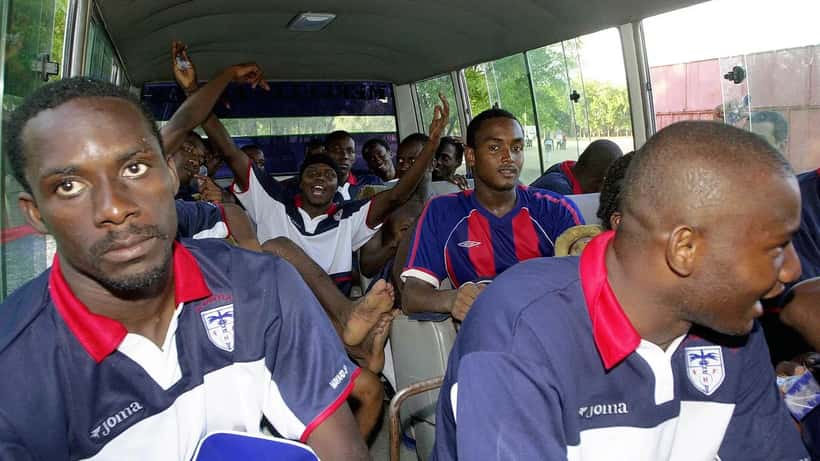
On the evening of 2 June 2026, Haiti produced a performance that sent an unmistakable message to the football world. Facing New Zealand in a pre-tournament friendly at Chase Stadium in Fort Lauderdale, Florida, Les Grenadiers were dominant from the first whistle — goals from R. Providence, L. Joseph, F. Pierrot, and a fourth scorer secured a commanding 4-0 victory. The win was celebrated not just as a result, but as a statement of intent.
Haiti are preparing for the 2026 FIFA World Cup — their first appearance at the tournament since 1974. Fifty-two years in the waiting. For a country with one of the smallest football federation budgets on the global stage, reaching a World Cup hosted across the United States, Canada, and Mexico represents something close to extraordinary. It also raises a question that professional athletes from emerging football nations face at every major tournament: what happens to the money?
The Largest Prize Fund in World Cup History
The 2026 FIFA World Cup is the first to feature 48 teams — an expanded format that means more matches, more exposure, and more financial distribution. FIFA has confirmed a total prize fund of $1 billion for the tournament, the largest in the competition's history. The numbers for participating teams are significant:
- Group stage exit: approximately $13.5 million per team
- Round of 16: approximately $18 million
- Quarter-finals: approximately $25 million
- Runner-up: approximately $50 million
- Champions: approximately $75 million
For context, Haiti's entire annual football federation budget represents a fraction of a single group stage participation payment. A first-round exit from the 2026 World Cup would still deliver a financial windfall that dwarfs the federation's typical annual operating funds. The implications for Haitian football — for the national federation, the players, and the wider sporting ecosystem — are enormous.
Why Prize Money Is More Complicated Than It Appears
For players from emerging football nations, World Cup prize money is not simply a windfall that arrives cleanly in a bank account. The financial mechanics of elite athlete compensation are considerably more complex.
Club ownership of earnings. Many professional footballers — particularly those playing in Europe or South America — have club contracts that entitle the employing club to a share of international appearance fees or a portion of FIFA payments directed to the national federation. Depending on the terms of an individual player's contract, a meaningful portion of tournament-related earnings may be redirected to the club rather than paid to the player personally. This is a standard provision in many professional football contracts, but players from smaller nations are often less well-represented by experienced agents and legal advisers when they sign these agreements.
Currency risk. FIFA disburses prize money in US dollars. For Haitian players with earnings and expenses in Haitian gourdes, or for those based in European leagues paying in Euros or pounds sterling, exchange rate movements can significantly affect the real value of payments received. A sudden shift in the dollar-gourde or dollar-euro exchange rate between the tournament and the date of disbursement can erode the value of a prize payment by several percentage points. This is precisely the kind of risk that a wealth manager with experience in cross-border athlete finance can help address through appropriate hedging or timing strategies.
Tax obligations across multiple jurisdictions. This is where elite athlete financial planning becomes genuinely complex. A Haitian footballer playing for a French Ligue 2 club, for example, may face tax obligations in France as their country of fiscal residence, additional US tax reporting from tournament income earned on American soil, and potential Haitian tax considerations on federation payments. The interaction of multiple tax jurisdictions is a financial minefield for any professional athlete without expert guidance.
For UK residents who compete professionally in sport, HMRC taxes UK residents on their worldwide income regardless of where it is generated — whether earned at a World Cup in the United States, at Wimbledon, or during a loan spell abroad. Understanding your obligations is not optional, and the penalties for getting it wrong can be severe.
Three Financial Priorities for Athletes at a Major Tournament
Elite athletes have short earning windows and long retirements. The decisions made during peak earning years are often irreversible. For any professional sportsperson approaching a major financial moment — a World Cup, a transfer fee, a commercial deal — these three priorities can make the difference between long-term security and financial difficulty.
1. Build a financial buffer before scaling lifestyle. The immediate temptation after a significant windfall is to upgrade — a new car, a new home, enhanced support for family members. These impulses are human and understandable. But athletes' incomes are highly volatile: injury, loss of form, contract non-renewal, and changes in federation support can eliminate earnings with little warning. A qualified wealth manager will typically recommend maintaining three to six months of living expenses in liquid savings before committing prize money to any investment or expenditure.
2. Understand your tax position before the tournament, not after. Do not wait for a tax authority to contact you. If you are earning income in multiple countries — and any World Cup participant is, by definition — engaging a financial specialist with experience in cross-border athlete taxation before the tournament begins is far more cost-effective than managing a tax dispute after the fact. Tax authorities in the UK, US, France, and other major footballing nations have specific frameworks for athlete income, and a specialist can structure your affairs legally and efficiently.
3. Plan for life after the sport, not just within it. The average professional footballer retires in their early to mid-thirties. Without structured long-term financial planning — pension contributions, investment portfolios, property strategy — the earnings accumulated during a playing career may not translate into lasting security. For players from smaller football nations, where domestic wages are often lower and career earnings less substantial, this planning is not a luxury: it is a necessity. The World Cup is a rare financial opportunity. Making it count over the long term requires professional guidance.
The Moment That Inspires the Plan
Haiti's 4-0 victory over New Zealand is the kind of result that captures the world's attention. Behind it are players who have worked their entire lives for this moment — and who will soon be navigating prize payments, sponsorship approaches, and financial decisions of a scale they may never have encountered before.
Whether you are a professional athlete, a sports professional considering their financial future, or simply someone inspired by Haiti's remarkable story to reassess your own financial planning, the principles are the same: understand your earnings, know your tax obligations, and take action before the financial window closes.
ExpertZoom connects UK residents with experienced wealth management professionals who specialise in athlete finance, cross-border income, and long-term financial planning. As the 2026 World Cup approaches, the most important play may be one that happens off the pitch.
This article is for informational purposes only and does not constitute financial advice. Always consult a qualified financial adviser for guidance specific to your circumstances.
