 Abigail Clarke
Two NBA stars are sidelined with hamstring strains at the same time — and neither is expected back soon. Luka Doncic of the Los Angeles Lakers and Jalen Williams of the Oklahoma City Thunder are both absent from their 2026 Playoffs second-round series. The Thunder beat the Lakers 108-90 in Game 1 on 5 May 2026 without either player, and both remain unavailable for Game 2. For every weekend footballer, club rugby player, or recreational runner in the UK, their simultaneous lay-offs raise a crucial question: when does a hamstring problem go from "walk it off" to "see a specialist"?
What Happened: Two Stars, Two Hamstrings, One Depleted Playoff Series
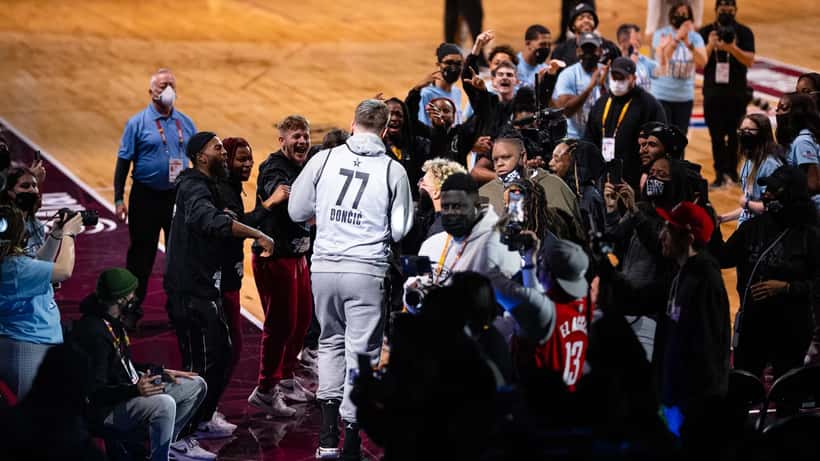
Doncic, the Lakers' talisman, suffered a Grade 2 left hamstring strain on 2 April 2026 and has not returned since. Williams, Oklahoma City's leading scorer, has now missed four consecutive playoff games with a left hamstring strain of his own. Joining Doncic on the Lakers' injury list are Luke Kennard (neck soreness) and Jarred Vanderbilt (right finger dislocation).
Despite the absences, Chet Holmgren stepped up for the Thunder with 24 points and 12 rebounds in a commanding Game 1 victory. But the broader story is the injuries themselves — and what they reveal about how quickly even elite, meticulously managed bodies can break down under the demands of a compressed playoff schedule.
The Grade 2 classification of Doncic's injury is particularly significant. A Grade 2 hamstring strain involves partial tearing of the muscle fibres, typically causing significant pain, swelling, and an inability to sprint or jump at full intensity. Recovery timelines for Grade 2 tears range from four to eight weeks, and returning too soon dramatically increases the risk of re-injury or escalation to a full Grade 3 rupture.
Why Hamstring Injuries Are So Common in Elite and Amateur Sport
The hamstring — comprising three muscles at the back of the thigh — is one of the most frequently injured areas in sport worldwide. According to the NHS, hamstring strains account for the largest proportion of all acute muscle injuries in sports that involve sprinting, jumping, or rapid changes of direction. Basketball, football, rugby, and track athletics are among the highest-risk environments.
Two factors make the hamstring especially vulnerable. First, the muscle acts as a decelerator: it must rapidly slow the leg as the foot swings forward, generating enormous eccentric load — load that increases exponentially with running speed. Second, fatigue compounds the problem significantly. A player who has spent 35 minutes on court or 80 minutes on the pitch develops reduced neuromuscular control. The muscle is then most likely to be overloaded at precisely the moment it is least protected.
Both Doncic and Williams were injured during a demanding stretch of fixtures in a condensed playoff schedule. For amateur athletes in the UK, the lesson is stark. Accumulated fatigue over a club season — poor warm-ups, inadequate sleep, insufficient recovery between matches — substantially raises your injury risk.
Three Signs You Should See a Sports Medicine Expert, Not Just Rest
The most dangerous decision any amateur athlete can make is to self-diagnose a hamstring injury as "just a twinge" and return to sport before proper healing. Professional assessment is essential in three specific scenarios.
Pain at the sitting bone or back of the knee, not the mid-thigh belly
Proximal hamstring injuries — those occurring at the attachment point near the pelvis — are considerably more complex than mid-belly strains. Pain when sitting on a hard surface, or a deep aching at the top of the rear thigh, can indicate a proximal hamstring tendinopathy or partial avulsion that will not resolve with rest alone. These injuries require imaging and specialist input.
A sudden sharp pain during an explosive movement, not gradual tightness
A Grade 1 strain may produce mild tightness during or after exercise. A Grade 2 or Grade 3 injury typically announces itself with an immediate, often audible or felt "pop" followed by an inability to continue. If this describes your experience, MRI or ultrasound imaging is strongly recommended before any return to training.
A second or third injury to the same area within 12 months
Re-injury rates for hamstring strains in team-sport athletes are disturbingly high — studies suggest up to 30% within a year of the original incident. If you have hurt the same hamstring twice, passive rest will not address the root cause. A sports physiotherapist can identify the underlying factors — hip weakness, gait asymmetry, poor flexibility — and correct them.
What NBA-Level Injury Management Looks Like — and Why You May Need the Same
Teams like the Oklahoma City Thunder invest heavily in sports science: GPS load monitoring, individualised return-to-play protocols, and same-day MRI access. Despite all of this, both Williams and Doncic have been held out for weeks rather than rushed back. The message from the world's most commercially pressured basketball competition is clear: there is no shortcut with hamstring injuries.
For UK athletes, access to this level of care is not automatic — but it is increasingly available. NHS sports medicine pathways and private clinics can provide ultrasound or MRI referral, eccentric loading programmes (the gold standard for hamstring rehabilitation), and biomechanical screening. Individualised return-to-sport plans reduce re-injury risk substantially.
For more context on how elite NBA injury management applies to amateur sport, see our earlier analysis of how Paul George's comeback reshaped the understanding of hamstring load management for everyday athletes.
The Amateur Athlete Takeaway
The Thunder vs Lakers 2026 playoff series has turned into an unwitting case study in hamstring injury management. Even with unlimited resources and a season's worth of preparation, two of the NBA's best players have been sidelined — and neither has been forced to return before medical staff are satisfied.
For UK athletes pushing through a niggling hamstring in order to play Saturday's match, the implication is direct. Masking discomfort with painkillers or simply resting for a few days without proper rehabilitation increases the probability of a more serious injury that could end your season entirely.
A consultation with a sports physiotherapist or sports medicine specialist via Expert Zoom can provide a structured injury assessment and a personalised return-to-sport plan. It is the same evidence-based approach elite athletes depend on, adapted for the amateur sportsperson's schedule.
Health information disclaimer: This article is intended for general informational purposes only. It does not constitute medical advice. If you have suffered a sports injury, consult a qualified healthcare professional before resuming physical activity.
