 Abigail Clarke
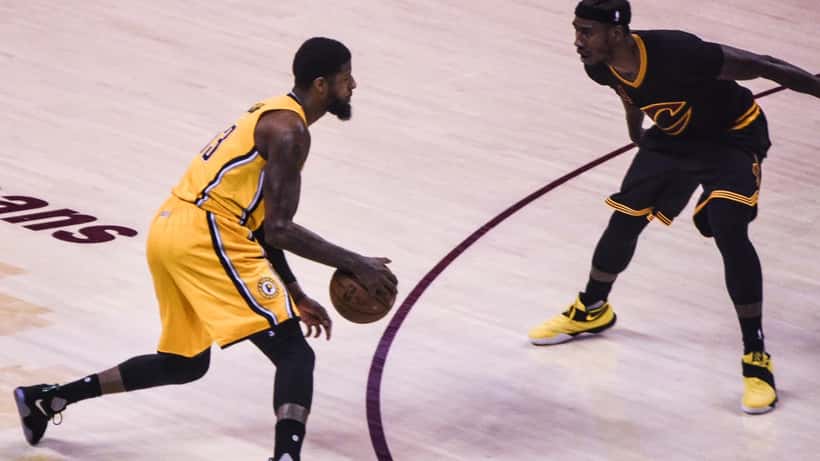
Philadelphia 76ers forward Paul George is back in the NBA playoffs in 2026, defying a career injury history that would have finished most professional athletes. George is one of the most injury-prone stars in the modern NBA — a compound leg fracture in 2014, shoulder reconstructions, knee issues — and yet he continues to perform at elite level deep into his 30s. For UK sports fans following his playoff run, his story raises a question that applies well beyond professional basketball: how does expert rehabilitation make the difference between a career-ending injury and a full return to performance?
Paul George's Injury History and What It Represents
Paul George's most dramatic moment came during a USA Basketball scrimmage in August 2014, when he suffered a severe open fracture of his tibia and fibula — one of the most graphic and serious leg injuries ever captured live at a sporting event. The injury required emergency surgery, months of rehabilitation, and — in the eyes of many experts at the time — had a realistic chance of ending his career.
He returned to NBA level within one year. Since then, he has navigated multiple shoulder surgeries, a torn hamstring, and persistent knee issues. In 2026, at age 36, he remains a starter in the playoffs.
The reason he keeps coming back is not exceptional genetics alone. It is access to elite-level sports medicine: orthopaedic surgeons, physiotherapists, sports nutritionists, strength and conditioning coaches, and rehabilitation specialists working as a coordinated team. The gap between the care available to an NBA player and the average UK sports person who tears a ligament playing Sunday football is significant — but it is not as wide as it once was.
Common Sports Injuries in UK Adults and When to Seek Expert Help
In the UK, millions of adults sustain sports and recreational injuries each year. The NHS treats sprains, fractures, and muscle tears as emergency cases, but ongoing rehabilitation — the part that determines whether someone returns to full function — is often limited by waiting times and resource constraints.
The most common serious sports injuries seen by UK orthopaedic specialists include:
- Anterior cruciate ligament (ACL) tears: Typically sustained in football, rugby, or skiing. Require surgical reconstruction and 9-12 months of structured rehabilitation
- Achilles tendon rupture: A complete rupture requires surgery and up to 12 months before return to sport
- Rotator cuff tears: Common in racket sports, swimming, and overhead activities; conservative treatment works for partial tears but full ruptures often require surgery
- Stress fractures: Common in runners; require rest and a specific return-to-activity programme
- Ankle ligament damage: Often undertreated, leading to chronic instability without proper rehabilitation
In each case, the difference between a good outcome and a chronic problem usually comes down to the quality and consistency of the rehabilitation programme — not the surgery itself.
The NHS vs Private Sports Medicine: What UK Patients Should Know
The NHS provides excellent acute care for sports injuries. However, physiotherapy referral waiting times on the NHS vary considerably by region. In 2026, some NHS trusts have physiotherapy waiting lists exceeding 12 weeks for non-urgent musculoskeletal appointments.
For athletes and active individuals who want to return to sport or physical activity as quickly as possible, waiting 12 weeks without a structured rehabilitation plan is not just frustrating — it can lead to worse outcomes. Untreated or inadequately rehabilitated knee injuries, for example, dramatically increase the risk of secondary injuries and early osteoarthritis.
This is the context in which private sports medicine specialists and physiotherapists add clear value. A private assessment with a sports medicine physician or physiotherapist can typically be arranged within days. An expert will:
- Conduct a thorough clinical and biomechanical assessment
- Order or review imaging (MRI, ultrasound) and interpret results in the context of return-to-sport goals
- Design a phased rehabilitation programme with specific milestones
- Work alongside your GP or orthopaedic surgeon to coordinate care
- Advise on safe return-to-activity timelines
For serious injuries — ACL tears, shoulder reconstructions, complex fractures — the investment in private sports medicine during the critical early rehabilitation window can be the single biggest factor in achieving a full return to activity.
What Paul George's Comebacks Teach UK Athletes
The physical demands of professional basketball are extraordinary, but the principles that allow Paul George to keep playing after multiple major injuries apply to everyday athletes too:
Do not return to sport too early: George's recovery from the 2014 leg fracture was a full year, despite intense pressure from the organisation and his own competitive drive. Rushing return-to-sport after serious injury dramatically increases re-injury risk.
Work with a team, not just a GP: Most GP surgeries are not equipped to manage sports injury rehabilitation comprehensively. A sports medicine specialist, physiotherapist, and strength and conditioning coach working together produce better outcomes than any single practitioner alone.
Nutrition and sleep matter as much as physiotherapy: Elite sports medicine programmes treat the whole athlete — and the same applies to amateur athletes trying to recover from injury.
Treat chronic pain as a signal, not a nuisance: Many UK adults manage persistent knee, shoulder, or back pain from old sports injuries without ever addressing the underlying biomechanical issue. A sports medicine specialist can identify and treat the root cause.
On Expert Zoom, you can connect with qualified sports medicine physicians and physiotherapists who can assess your injury, design a rehabilitation plan, and advise on safe return to sport — without the 12-week NHS wait.
For NHS guidance on common sports injuries and when to seek help, visit NHS — Sports Injuries.
