 Phoebe Wilson
Tahith Chong's Locked Knee at WC2026: 5 Signs Your Knee Injury Needs a Specialist
When Tahith Chong's knee locked without warning during a pre-match warm-up in October 2025, the Curaçao winger faced every footballer's nightmare: a snap halt to his season, an emergency consultation, and a race to recover in time for the World Cup 2026. He made it — and is now representing his island nation of 158,000 people on the biggest stage in football. But his story raises a question every active person in the UK should be asking: how do you know when a knee problem is serious enough to see a specialist?
Tahith Chong and Curaçao's World Cup Moment
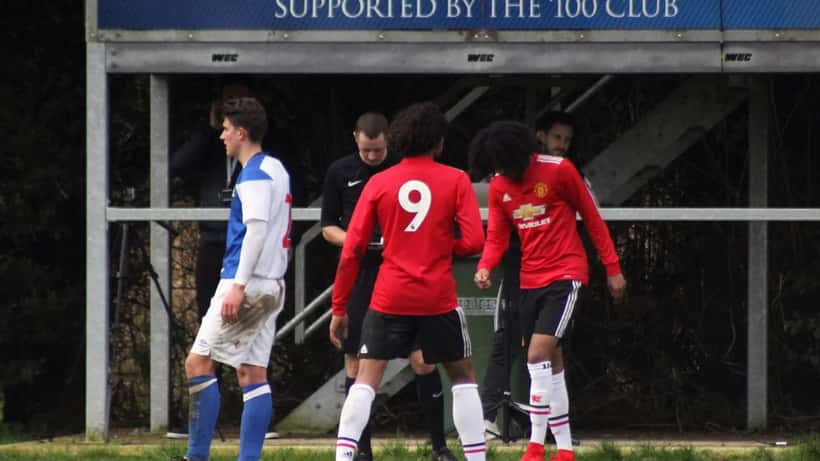
Born in Willemstad, Curaçao, Chong has spent his career in English and continental European football, developing through Manchester United's academy before moving between clubs at senior level. His dual eligibility allowed him to represent Curaçao — the smallest nation ever to qualify for a World Cup, with fewer people than a mid-sized English city. Germany defeated Curaçao 7–1 in Group E on 14 June 2026, but Chong's very presence at the tournament is a triumph over adversity.
That adversity had a name: a cartilage injury sustained when his knee buckled and locked during warm-up ahead of a Championship fixture against Oxford United in October 2025. Cartilage damage of this kind does not always announce itself dramatically — sometimes it is a single sudden event; other times, it is the culmination of weeks of warning signals that go unheeded.
Understanding those signals matters. The NHS reports that knee injuries account for one in five musculoskeletal presentations in primary care each year, yet many people delay seeking specialist input until symptoms have significantly worsened.
Why Knees Lock — and Why It Matters
The knee joint relies on two crescent-shaped pieces of cartilage called the menisci, as well as the articular cartilage that lines the joint surfaces. When either structure is damaged — through sudden twisting, repetitive loading, or cumulative wear — a fragment can migrate into the joint space and physically block movement, causing the knee to "lock" in place.
According to the NHS, meniscal tears are among the most common knee injuries in people aged 18 to 45, particularly those who play sport or perform physically demanding work. Left untreated, they can lead to chronic instability, accelerated cartilage degeneration, and long-term joint damage.
The good news: when caught early, most cartilage injuries can be managed effectively — with physiotherapy, arthroscopic surgery, or a combination of both. The key is recognising when to escalate from self-management to specialist care.
5 Signs Your Knee Needs a Specialist — Not Just Rest
1. Your Knee Locks or Catches During Movement
If your knee ever feels as though it is "sticking" mid-movement — whether fully locked or simply catching and releasing — this is a red flag. A locked knee that will not straighten at all requires urgent assessment, as it may indicate a displaced meniscal tear or loose body within the joint. Do not attempt to force the joint straight.
2. You Heard or Felt a "Pop" Followed by Rapid Swelling
A popping sensation at the moment of injury, followed by swelling within two to four hours, strongly suggests significant structural damage — often to the anterior cruciate ligament (ACL), meniscus, or both. Rapid swelling (known as haemarthrosis) means blood has entered the joint. This combination warrants same-day medical assessment rather than a wait-and-see approach.
3. The Knee Feels Unstable When You Bear Weight
A sensation that the knee might "give way" during ordinary activities — walking downstairs, turning, or rising from a chair — suggests the joint's stabilising structures are compromised. This instability is a consistent symptom in meniscal tears, ACL injuries, and cartilage defects. Continuing to load an unstable knee increases the risk of further damage.
4. Swelling or Stiffness That Returns Within 48 Hours of Activity
Occasional mild soreness after sport is common. But if your knee reliably swells or stiffens again within one to two days of activity — even low-intensity exercise — this pattern indicates ongoing structural irritation. Persistent synovial inflammation of this kind does not resolve with rest alone and points to an underlying injury requiring diagnosis.
5. Localised Pain Along the Joint Line
Press gently along the inner or outer edge of your knee, at the point where the femur and tibia meet. Pain that is clearly localised to this joint line — rather than diffuse or vague — is a classic indicator of meniscal pathology. If this tenderness is present alongside any of the above symptoms, imaging (typically an MRI) is the appropriate next step.
YMYL disclaimer: This article provides general health information for educational purposes only. It is not a substitute for professional medical advice, diagnosis, or treatment. Always consult a qualified healthcare professional about any knee injury or persistent symptoms.
What to Expect from a Knee Specialist Consultation
A specialist — typically an orthopaedic consultant or sports medicine physician — will begin with a detailed history of how the injury occurred, followed by a clinical examination of the joint's range of motion, stability, and point tenderness. In most cases, an MRI scan will be requested to visualise the cartilage and ligamentous structures in detail.
From there, management options range from guided physiotherapy programmes to arthroscopic keyhole surgery, where a surgeon can trim or repair a torn meniscus through two small incisions. Recovery timelines vary: minor meniscal procedures may allow return to sport in six to eight weeks, while more complex cartilage restoration procedures can require four to six months of rehabilitation — as Chong's own return from injury illustrates.
The critical point is that early specialist input almost always leads to better outcomes than prolonged self-management of a symptomatic knee. In England, you can self-refer to a physiotherapist via the NHS or request a GP referral to an orthopaedic specialist if your symptoms match those described above.
If you are experiencing persistent knee symptoms and want professional guidance on your options, a Health specialist on ExpertZoom can advise you on whether your symptoms warrant urgent assessment. You can also read about what knee injury recovery really involves based on real-world cases like Mateo Joseph's ACL injury.
Tahith Chong fought his way back from a locked knee to represent his country at football's greatest tournament. With the right specialist support, most people facing a serious knee injury can make a similarly full recovery — provided they act on the warning signs in time.
For authoritative guidance on knee injuries and when to seek help, visit the NHS knee pain conditions page.
