 Amelia Ward
Jordan Holds Algeria 0-0 at World Cup 2026: What Al-Naimat's ACL Injury Means for Your Knee Health
Jordan made history on 22 June 2026 at Levi's Stadium, Santa Clara, competing in only their second game at their first-ever FIFA World Cup. The result — a goalless 0-0 draw against Algeria in Group J — was more than a statistic. It was the product of extraordinary defensive resilience built around the conspicuous absence of the player who got Jordan there in the first place.
Jordan's World Cup Without Its Sharpest Weapon
Yazan Al-Naimat scored eight of Jordan's 32 goals during their qualifying campaign — a record that made him the heartbeat of their attacking play. But in December 2025, Al-Naimat ruptured his anterior cruciate ligament (ACL) during the Arab Cup quarterfinals. He never recovered in time for North America.
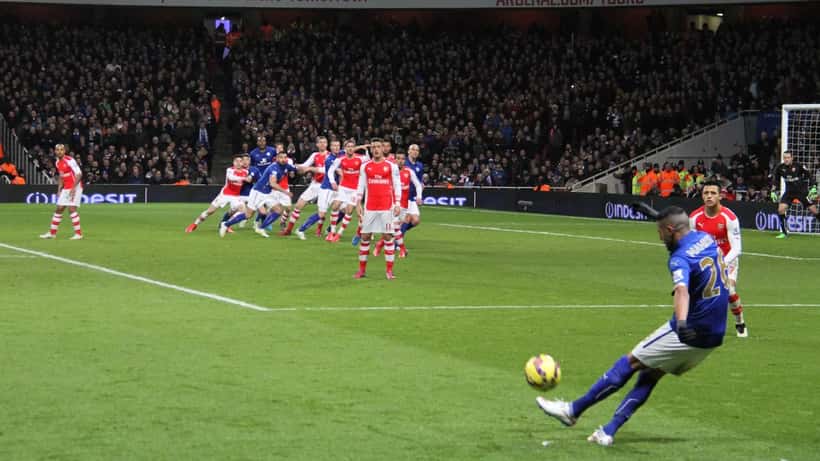
Jordan arrived in the United States without their leading striker, and the consequences were visible on the pitch. Against Austria on matchday one, they lost 3-1. Against Algeria — a side that had itself lost 3-0 to Argentina — Jordan's defence held firm while their attack searched for a cutting edge that was simply not there. Riyad Mahrez, Algeria's captain and their most creative threat, found no way through either.
The draw left both sides with a single point from two matches. Both teams face a near-impossible task in the final group game with Argentina and Austria fighting for first and second place.
Why Al-Naimat's Injury Resonated Beyond Football
ACL injuries end seasons, derail careers, and upend years of preparation at every level of sport. For Al-Naimat, the timing was catastrophic — months of elite work, a historic qualification campaign, and a World Cup appearance all made inaccessible by a ligament tear sustained in a single moment in December.
But Al-Naimat's story is not unique to professional football. According to the British Association of Sport and Exercise Medicine (BASEM), ACL injuries are among the most common serious knee injuries in recreational sport in the UK, occurring most frequently in football, rugby, netball, and skiing. An estimated 30,000 ACL injuries occur across the UK every year — the overwhelming majority in non-professional settings.
The real issue is not always the injury itself. It is how often recreational athletes delay proper assessment, treating a ligament tear as a routine sprain, and returning to activity before structural healing is complete — compounding damage to surrounding cartilage and dramatically worsening surgical outcomes.
5 Signs Your Knee Injury Needs a Sports Medicine Specialist
If you play any sport involving rapid changes of direction — football, tennis, basketball, or rugby — understanding these warning signs could protect your long-term mobility.
1. A "pop" or crack at the moment of injury Many ACL patients describe a distinct pop or crack when the ligament gives way. This is frequently accompanied by immediate swelling and an inability to continue playing. If you experienced this sensation, stop immediately and seek specialist assessment within 48 hours.
2. Rapid swelling within two to four hours Significant swelling shortly after the injury — rather than gradually over 24 hours — suggests internal bleeding from a structural tear, not soft-tissue bruising. Ice and elevation manage acute symptoms, but an MRI is required for accurate diagnosis.
3. The knee "gives way" when walking or turning A sense of instability — where the knee buckles unexpectedly under bodyweight — is a hallmark symptom of ACL damage. If your knee feels unreliable on stairs, when changing direction, or even during ordinary walking, that instability requires clinical assessment, not self-managed rest.
4. No meaningful improvement after 72 hours of RICE The Rest, Ice, Compression, Elevation protocol is appropriate for minor strains. If there is no reduction in swelling, tenderness, or pain after three days of proper RICE management, the injury is almost certainly beyond a simple sprain. A sports medicine specialist can perform a Lachman test or pivot shift test to evaluate ligament integrity — assessments not available at a standard GP appointment.
5. Recurring locking or catching sensations over weeks If the knee periodically locks, catches, or gives way in the weeks following the initial injury, this indicates ongoing structural instability. Without treatment, this progressively damages the meniscus and accelerates cartilage degeneration — a pathway associated with early-onset osteoarthritis.
This article is for informational purposes only and does not constitute medical advice. If you suspect a significant knee injury, consult a qualified sports medicine specialist promptly.
What Happens When ACL Injuries Go Untreated
ACL reconstruction performed within the optimal early window carries success rates above 90% for a return to sport, according to clinical sports medicine literature. Delay significantly increases the likelihood of secondary meniscal tears — injuries that can permanently compromise athletic function regardless of subsequent surgery.
For UK athletes, the NHS pathway for orthopaedic assessment can involve waiting periods of several weeks to months. Private sports medicine consultations offer faster MRI access, earlier physiotherapy protocols, and a personalised return-to-play timeline — reducing both recovery duration and the risk of re-injury. Given that knee injuries are responsible for more premature retirements from amateur sport than any other musculoskeletal condition, the cost of that faster access is rarely the larger risk.
For broader context on how professional athletes navigate high-stakes sporting events with financial and contractual pressures, our Iraq vs Venezuela World Cup 2026 analysis explores the wealth and contract gap between competing nations.
Jordan's World Cup Lesson for Every Amateur Athlete
Jordan's 2026 World Cup campaign — played without their leading scorer, built on defensive discipline and collective resilience — is a study in adaptation under constraint. But it also illustrates what is lost when an athlete cannot get onto the pitch at all.
At every level of sport, seeking specialist advice after a significant knee injury is not a luxury. It is the most important step toward protecting both your athletic future and your long-term joint health.
A sports medicine specialist on ExpertZoom can assess your injury, advise on whether surgical reconstruction is appropriate, and build a rehabilitation programme matched to your sport, your level of activity, and your return-to-play goals. Find a sports medicine expert on ExpertZoom and get back on the pitch with confidence.
