 Charlotte Hughes
The Bayesian superyacht has not sunk from public memory — and in 2026, the legal storm surrounding it is only intensifying. On 19 August 2024, the 56-metre Perini Navi sailing yacht went down off Porticello, Sicily, killing seven people including British tech billionaire Mike Lynch and his 18-year-old daughter Hannah. Now, with Italian prosecutors charging crew members and a €456 million lawsuit reshaping maritime litigation, UK lawyers and yacht experts say the case is fundamentally changing how owners, insurers, and passengers think about legal risk at sea.
What Really Happened to the Bayesian?
Initial reports pointed to extreme weather — the UK's Marine Accident Investigation Branch (MAIB) noted wind gusts of 63.4 knots at the time of sinking. But Italian investigators reached a sharply different conclusion: the conditions amounted to "little more than a squall," not a catastrophic storm. According to Italian prosecutors, the vessel sank due to crew improper actions, underestimation of weather risk, and failure to activate safety devices correctly.
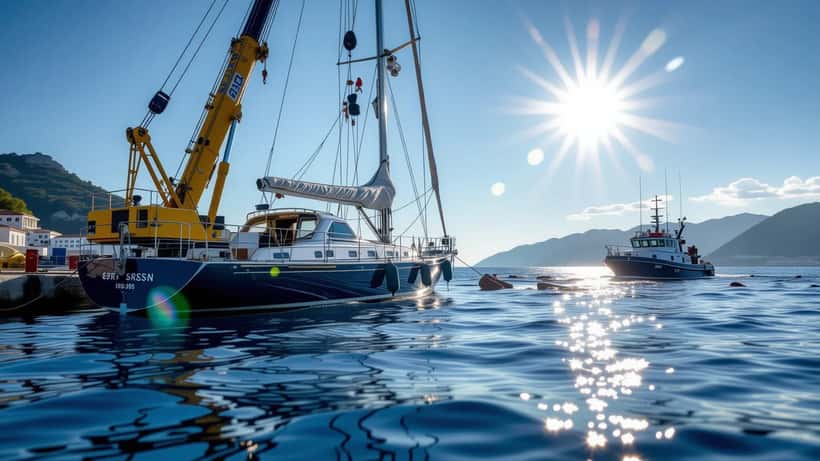
Three crew members — Captain James Cutfield, Timothy Eaton, and Matthew Griffiths — face potential charges of manslaughter and culpable shipwreck. The yacht itself was raised from the seabed on 21 June 2025 and transported to Termini Imerese for forensic examination, adding physical evidence to a case already laden with witness testimony.
For the 15 survivors, including Lynch's widow Angela Bacares-Lynch, the legal proceedings are far from over. A UK inquest into the four British nationals who died — Mike Lynch, Hannah Lynch, Jonathan Bloomer, and his wife Judy Bloomer — is continuing at Ipswich Coroner's Court in 2026.
The €456 Million Lawsuit: A New Legal Front
In January 2026, The Italian Sea Group, which owns the Perini Navi shipbuilding brand, filed a civil lawsuit seeking €456 million — approximately £388 million — in damages. The defendants include the yacht's holding company Revtom, as well as captain and crew members named individually.
The shipbuilder's argument is that the sinking caused catastrophic reputational damage and lost sales for the Perini Navi brand. This move introduces a dimension rarely seen in maritime disasters: a manufacturer suing for the commercial consequences of how its product was operated.
"This kind of claim against crew and owners by the original builder is unusual and legally complex," explains the general framework under which such cases proceed. Typically, the debate centres on whether the vessel was seaworthy, whether the crew was adequately trained, and how liability is distributed between charterers, owners, and operators.
Who Bears the Bill? Insurance and Liability
QBE, the Australian insurer with a major London operation, provides Protection and Indemnity (P&I) marine coverage for the Bayesian's owner. Estimates put the insurance exposure at between £100 million and £200 million — well below the total claims now in play.
Maritime law ordinarily permits owners to limit their liability for crew negligence. However, under international maritime conventions, this limitation does not apply in cases involving loss of life. With seven fatalities confirmed, insurers and the Lynch estate face claims that may exceed available coverage by a significant margin.
The estate is already under severe financial strain: the London High Court ruled separately that it must pay $1.24 billion to Hewlett-Packard Enterprise, the result of long-running litigation over Lynch's former company Autonomy.
What UK Law Says About Maritime Safety
Under the Maritime and Coastguard Agency framework, all vessels operating in or departing from UK waters must comply with the International Safety Management (ISM) Code if they are over 500 gross tonnage or operating commercially. The Bayesian, as a private charter vessel, occupied a regulatory grey area that maritime lawyers say deserves urgent review.
Key obligations that arise in cases like the Bayesian include:
- Duty of care to passengers: Owners and operators owe a non-delegable duty of care to everyone aboard, regardless of whether they are paying charterers or invited guests.
- Seaworthiness warranties: A vessel must be properly maintained, crewed by qualified personnel, and equipped with functioning safety systems — including those that were allegedly not activated on the night of the sinking.
- Charter agreement terms: In private yacht charters, liability clauses vary widely. Some agreements attempt to limit owner liability, but these clauses can be unenforceable when death results.
For UK residents who charter superyachts or own vessels registered under the UK flag, the Bayesian case is a warning that the informal, prestige-focused world of superyacht ownership is not exempt from rigorous legal accountability.
Could You Be at Risk? When to Consult a Maritime Lawyer
If you own, co-own, or charter a vessel — or if you are an estate executor dealing with assets that include watercraft — the questions raised by this case are directly relevant:
- Does your P&I insurance cover liability without limits in fatality cases? Standard marine insurance often has caps that may not reflect actual exposure after a serious accident.
- Do your charter agreements comply with current UK consumer contract law? Clauses attempting to exclude liability for injury or death to non-commercial passengers may be void under the Consumer Rights Act 2015.
- Are your crew properly certified? If the vessel is used commercially or chartered out, crew certification requirements under MCA regulations are stringent.
The Russian Warship Sanctions and Shadow Fleet article on this site explored another dimension of UK maritime law — that piece and the Bayesian case together illustrate how quickly legal exposure can escalate at sea.
A maritime or commercial solicitor can review your exposure before a claim is made, not after. Given that the Bayesian litigation is expected to run for years across multiple jurisdictions, the best time to understand your own position is now.
The Broader Lesson for the UK Yachting Community
The Bayesian was not a cheap pleasure boat. It was a flagship of the global superyacht industry, crewed by professionals, insured for hundreds of millions, and owned by one of Britain's most prominent technology entrepreneurs. Its sinking demonstrates that prestige does not equal safety — and that when things go wrong at sea, the legal aftermath can be as catastrophic as the event itself.
UK maritime solicitors are already seeing an uptick in enquiries from yacht owners reviewing their liability positions. If you have questions about vessel ownership, charter agreements, or maritime insurance, an expert legal consultation through ExpertZoom can help you navigate the complex waters ahead.
This article is for informational purposes only and does not constitute legal advice. For advice specific to your circumstances, consult a qualified maritime solicitor.
