 Charlotte Hughes
Russian Warship in UK Waters: What the Shadow Fleet Means for Coastal Property and Consumer Rights
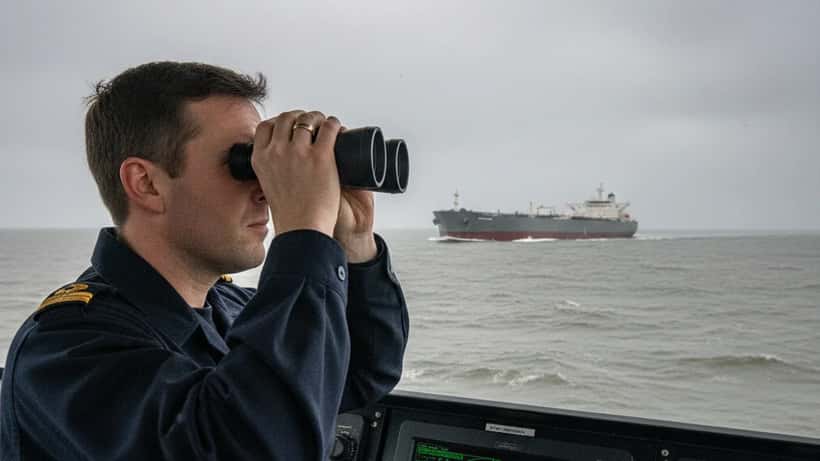
On 8 April 2026, the Russian frigate Admiral Grigorovich escorted two sanctioned oil tankers — MV Universal and MV Enigma — through the English Channel in direct defiance of UK sanctions, as confirmed by the Royal Navy. The incident is the latest in a series of shadow fleet operations that have intensified scrutiny on maritime security, coastal property insurance, and what ordinary consumers can actually do when international law comes to their doorstep.
What Is the Russian Shadow Fleet and Why Is It in British Waters?
Russia has increasingly relied on a network of ageing, poorly insured tankers to circumvent Western sanctions imposed after the 2022 invasion of Ukraine. These "shadow fleet" vessels frequently transit the English Channel — one of the world's busiest shipping lanes — with inadequate insurance, opaque ownership structures, and limited compliance with international maritime conventions.
In 2026 alone, the Royal Navy has tracked multiple incidents: HMS Tyne shadowed the Ropucha-class landing ship Aleksandr Otrakovsky on 5 March 2026; HMS Mersey monitored the frigate RFN Soobrazitelny alongside the tanker MV Anatoly Kolodkin; and on 26 March 2026, the UK government announced new powers to intercept shadow fleet ships in British territorial waters.
According to the UK government's maritime sanctions guidance, over 300 vessels have been placed on sanctions lists since 2022 — yet enforcement at sea remains a complex diplomatic and legal challenge.
The Risk Nobody Talks About: What Happens If a Sanctioned Tanker Spills Oil Near Your Home?
The shadow fleet operates largely outside the International Group of P&I Clubs — the mutual insurance system that covers 90% of the world's merchant fleet for pollution liability. When a ship is sanctioned or underinsured, the question of who pays for an oil spill becomes legally murky.
For coastal property owners in Kent, East Sussex, Essex, and along the English Channel coast, this matters enormously. An oil spill from a poorly insured vessel can devastate property values, close beaches, destroy fishing grounds, and trigger complex legal battles that can last years.
Traditional home insurance policies do not automatically cover environmental contamination from offshore sources. Standard policies cover "sudden and accidental" damage — but courts have historically distinguished between this and gradual pollution damage originating from third-party vessels in international waters.
This is where a solicitor specialising in maritime or environmental law becomes critical. A legal expert can advise on:
- Whether your policy wording covers you for third-party maritime pollution
- How to make a claim against the International Oil Pollution Compensation (IOPC) Fund, which provides compensation when shipowners cannot pay
- How to join representative legal actions if multiple properties are affected
- The process for lodging formal complaints with the Maritime and Coastguard Agency (MCA)
What UK Consumers Can and Cannot Do
The UK's new powers, announced in March 2026, allow authorities to detain and inspect shadow fleet vessels in UK territorial waters (within 12 nautical miles of shore). However, enforcement in international waters — which includes most of the English Channel — remains subject to international maritime law.
As a private citizen, you cannot directly force a sanctioned vessel to change course. But you do have rights:
If you witness suspicious maritime activity: Report it to the MCA via their 24-hour Maritime Operations Centre (0044 1326 317575) or to the UK Border Force. Your report can trigger official monitoring.
If you suffer property or business damage from a maritime pollution incident: The IOPC Fund — an international intergovernmental organisation — can compensate individuals and businesses for unrecovered oil pollution damage. Claims must be lodged within three years of the incident, though legal advice should be sought immediately.
If you are a business operator (fishing, tourism, coastal hospitality): A commercial lawyer can advise on force majeure clauses in existing contracts, and whether government compensation schemes are accessible following a pollution event.
The Bigger Picture: Why This Matters for UK Property and Investment
The shadow fleet issue is not merely a military or geopolitical story. Estate agents in coastal towns such as Whitstable, Margate, and Folkestone have noted that repeated Russian maritime incidents near the UK coast generate consumer anxiety around property purchases in proximity to key Channel routes.
Property solicitors increasingly field questions from buyers asking about environmental covenants, coastal flood risk, and maritime contamination history — topics that simply were not on buyers' radar five years ago.
According to figures from the Environment Agency, cleanup costs for a significant oil spill event along the English coastline can exceed £100 million, with legal proceedings stretching across multiple jurisdictions.
If you own property in a coastal area, now is the time to review your insurance policy with a qualified legal or financial expert — before an incident occurs, not after.
What to Do Now
Whether you are a coastal homeowner, a small business operator, or simply someone who wants to understand their legal position in an increasingly complex geopolitical environment, expert guidance is available.
A solicitor specialising in maritime or property law can review your insurance coverage, advise on contamination liability, and help you understand what compensation routes exist if the shadow fleet's presence near UK waters causes you direct harm. An expert consultation today could save significant cost and legal uncertainty tomorrow.
This article provides general legal information for educational purposes. It is not legal advice. For advice specific to your circumstances, consult a qualified solicitor.
