 James Harrison
Thousands gathered at Stonehenge on March 20, 2026, to witness the spring equinox sunrise align perfectly with the ancient monument's stones—a celestial event that has captivated visitors for millennia. But new research published this month reveals something even more remarkable: the precision of these 4,500-year-old builders and what their structural assessment methods can teach modern homeowners.
Ancient Engineers Moved a 6-Ton Stone 750 Kilometres
Scientists confirmed in March 2026 that one of Stonehenge's most enigmatic components—a six-ton Altar Stone—was transported by people, not glaciers, over 750 kilometres from Scotland to Salisbury Plain around 2500 BC. The discovery, featured in Channel 5's documentary "Stonehenge: Secrets of the New Stone" which aired March 3, 2026, challenges previous assumptions about Neolithic engineering capabilities.
Historian Tracy Borman, presenting the findings, highlighted the extraordinary structural planning required. Moving a stone of this mass across Bronze Age Britain demanded not just brute force but sophisticated understanding of load distribution, ground stability, and material stress—principles that remain central to modern structural engineering.
The alignment of the monument with the equinox sunrise demonstrates similar precision. The builders didn't just erect stones; they conducted what we'd now call a comprehensive site survey, calculating solar angles and ground subsidence over millennia.
What Ancient Builders Knew That Modern Homeowners Ignore
The Stonehenge builders understood something crucial: structures move. Archaeological evidence shows they accounted for ground settlement, adjusting stone positions to maintain alignment over centuries. Yet today, one in fifty UK homes experiences subsidence—often because early warning signs are dismissed.
Structural engineers note that the ancients' success came from three principles:
Regular monitoring: The site shows evidence of ongoing adjustments and repairs over hundreds of years. Modern homes rarely receive this attention until cracks appear.
Understanding ground conditions: Stonehenge sits on stable chalk, deliberately chosen. Many UK homes built on clay or former marshland lack proper foundation surveys before construction.
Recognising material limits: The builders knew which stones could bear weight and which couldn't. Homeowners often add extensions or loft conversions without checking if existing walls can handle the load.
When to Call a Structural Engineer
The spring equinox at Stonehenge occurs when day and night balance perfectly—and your home's structural integrity relies on a similar balance of forces. Here are signs that balance has shifted:
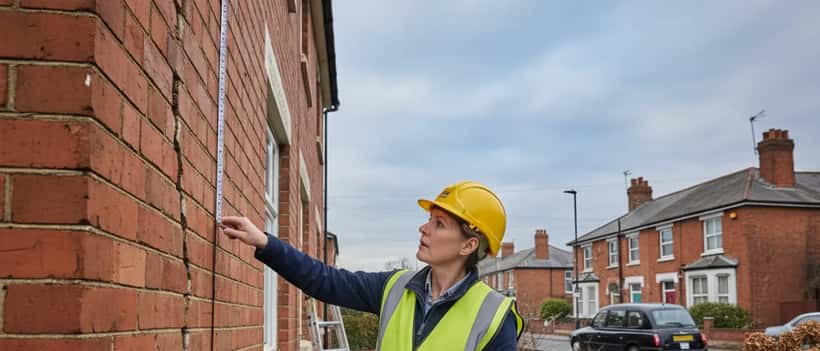
Progressive cracks: Hairline cracks in plaster are common. Cracks wider than 5mm, especially diagonal ones near windows or doors, suggest foundation movement. The Stonehenge builders filled gaps between stones with precision; modern cracks that reappear after repair indicate ongoing settlement.
Doors and windows sticking: If doors suddenly won't close or windows jam, the frame may have shifted. This mirrors the careful levelling Stonehenge's builders achieved—any deviation from horizontal meant structural failure.
Bowing walls: External walls that bulge outward show the same load-bearing stress the ancient engineers calculated when stacking multi-ton lintels. A bow of more than 20mm suggests immediate professional assessment is needed.
New cracks after building work: The addition of Stonehenge's Altar Stone required recalculating weight distribution across the entire monument. Similarly, loft conversions or removed walls alter your home's structural dynamics.
What Professional Assessment Involves
A structural engineer's survey resembles the methodical planning evident at Stonehenge. They'll examine:
Foundation integrity: Using ground-penetrating radar or trial pits to assess what lies beneath, much as archaeologists now scan Stonehenge's subsurface.
Load paths: Tracing how weight transfers through walls, floors, and foundations. The Altar Stone's placement suggests the builders understood this principle intimately.
Material condition: Testing whether timber, brick, or concrete retains structural strength. Stonehenge's sarsen stones were chosen for their durability; your Victorian brickwork may be degrading.
Movement monitoring: Installing crack gauges to measure whether issues are historic or active. The monument's stones have shifted mere millimetres over millennia; modern homes can move that much in a season.
The assessment typically costs £400-800 for a standard survey, rising to £1,500-2,500 if structural calculations for repairs are needed. Compare this to the average subsidence repair cost of £6,000-50,000, and prevention becomes economical.
Simple Checks You Can Do Now
Between professional surveys, monitor your property as the Stonehenge custodians monitor the monument:
Annual photo documentation: Take photos of all external walls from the same positions each spring. The equinox makes a memorable reminder date. Changes invisible day-to-day become obvious year-to-year.
Track crack width: Mark crack ends with pencil and date them. If they extend beyond your marks within six months, movement is active.
Check after weather extremes: Heavy rain or drought affects clay soils. The 2022 drought caused a spike in subsidence claims—the UK's clay shrinks when dry, just as Stonehenge's chalk remains stable.
Inspect after nearby construction: Excavation within 10 metres of your home can disturb foundations. Stonehenge's construction required assessing how each new stone affected the whole; your neighbour's basement conversion deserves similar caution.
The Enduring Lesson
As the 2026 spring equinox demonstrated once again, Stonehenge has stood for 4,500 years because its builders combined ambition with technical understanding. They didn't just erect impressive stones; they studied their site, monitored their work, and adapted when ground conditions changed.
Modern homeowners can learn from this approach. Structural problems rarely appear overnight—they develop over months or years. Catching them early, through professional assessment and regular monitoring, prevents the catastrophic failures that ended many ancient monuments.
The next time you notice a crack widening or a door jamming, remember that even structures as enduring as Stonehenge required ongoing attention. Your home deserves the same respect the ancient engineers showed their monumental achievement.
If you're concerned about structural issues or planning building work that might affect your home's stability, consult qualified professionals through Expert Zoom's Home Improvement specialists. Early intervention today prevents expensive repairs tomorrow—a lesson written in stone at Stonehenge.
