 Rebecca Taylor
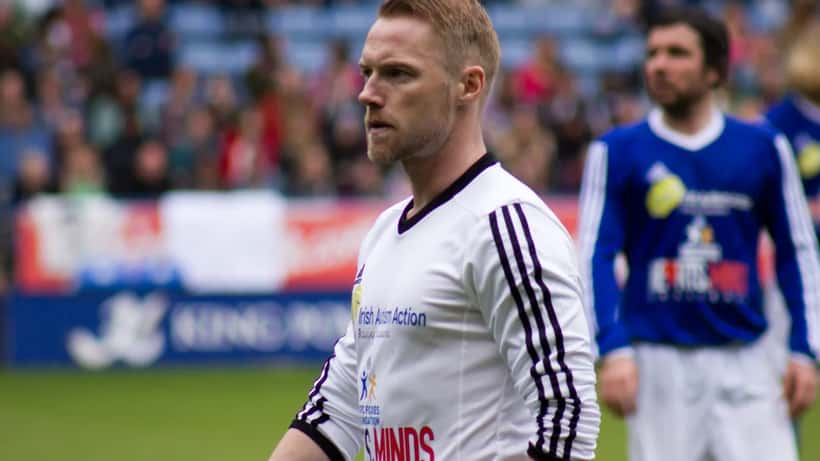
Irish singer Ronan Keating is in the UK spotlight this week following the premiere of his BBC Two documentary series "Wild Atlantic," in which he candidly discusses the death of his brother Ciaran, who died in a car accident in July 2023 at the age of 57. The emotional revelation has sparked widespread conversation about grief, loss, and when to seek professional support.
The series, which premiered on April 10, 2026, follows Keating exploring the wild coastline of Ireland's west coast — but it is his unguarded moments of reflection on personal loss that have resonated most with viewers, generating significant online discussion and trending searches across the UK.
Why Ronan Keating Is Trending This Week
The documentary is not Keating's only reason for being in the public eye. He and his former Boyzone bandmates have announced two reunion concerts at the Emirates Stadium, London, in June 2026 — the first major Boyzone show in years.
But it is the documentary's emotional honesty that has struck a chord. Keating speaks openly about grief, guilt, and the experience of continuing to work and perform while carrying a profound sense of loss. For millions of viewers who have experienced bereavement, seeing a public figure verbalise these feelings is both validating and, for many, a prompt to reflect on their own wellbeing.
Mental health charities including Mind report that public conversations about grief — particularly when led by well-known figures — consistently increase the number of people reaching out for support. According to the NHS, around 600,000 people die in England and Wales each year, leaving an estimated 5 million bereaved individuals who may benefit from professional help.
The Clinical Reality of Grief: When Is It Normal?
Grief is a universal human experience, but not all grief is the same. The NHS distinguishes between "normal" grief, which typically follows predictable emotional stages over weeks or months, and "complicated grief" or prolonged grief disorder, which can persist for more than 12 months and significantly impairs daily functioning.
Symptoms of complicated grief include persistent yearning for the deceased, difficulty accepting the death, emotional numbness, and inability to experience positive emotions. Left unaddressed, it is associated with depression, anxiety, substance use, and significantly reduced quality of life.
What Keating's openness reveals — and what mental health professionals consistently emphasise — is that grief does not follow a linear path. The so-called "five stages of grief" (denial, anger, bargaining, depression, acceptance) are often misunderstood as a sequential process. In reality, grief is cyclical and highly individual.
Why People Delay Seeking Help
Despite the growing openness around mental health in the UK, a significant portion of those experiencing prolonged grief never seek professional support. Common barriers include:
- Normalisation: "Feeling sad after a bereavement is normal, so this must be too"
- Stigma: Reluctance to be seen as struggling, particularly among men over 40
- Lack of awareness: Not knowing what services exist or how to access them
- NHS waiting times: Referral to bereavement counselling through the GP can take months
According to NHS data on mental health services, the average waiting time for talking therapies in England is currently under 6 weeks for most referrals — though specialist bereavement services may have longer waits.
Private counsellors and therapists who specialise in grief and bereavement can be accessed significantly faster. Many offer sessions within one to two weeks of initial contact.
What a Mental Health Expert Can Do
A qualified grief counsellor or psychotherapist can provide a structured space to process loss without judgment. Techniques commonly used include:
- Cognitive Behavioural Therapy (CBT): Addresses unhelpful thought patterns associated with loss
- Acceptance and Commitment Therapy (ACT): Helps individuals reconnect with values and move forward
- Narrative therapy: Enables clients to reframe their relationship with the deceased and integrate the experience of loss into their life story
Importantly, grief counselling is not only for those who have lost someone recently. Many clients seek help years or even decades after a bereavement, when life transitions — retirement, a child leaving home, a health scare — reactivate unprocessed grief.
When to Seek Support
If you or someone close to you is experiencing any of the following, speaking to a GP or qualified mental health professional is recommended:
- Grief that persists intensely beyond 12 months
- Inability to carry out work or daily tasks
- Social withdrawal lasting more than a few weeks
- Physical symptoms with no clear medical cause (fatigue, insomnia, chest pain)
- Thoughts of self-harm or not wanting to be alive
There is no need to wait until a crisis point. A single assessment with a counsellor can clarify whether short-term support or more specialist intervention is appropriate.
This article provides general information on bereavement and mental health. It does not constitute medical or psychological advice. If you are in crisis, contact the Samaritans on 116 123 (free, 24 hours a day).
Expert Zoom connects you with verified health professionals, including counsellors and therapists specialising in grief and bereavement. Find expert support through Kylie Minogue's breast cancer awareness moment — and what it tells us about cancer screening over 50.
