 Charlotte Hughes
Omar Artan, Africa's best male referee of 2025 and FIFA's pick for the 2026 World Cup, was denied entry to the United States at Miami International Airport on 7 June 2026 — held for 11 hours, questioned about al-Shabab, and sent home without explanation. A US official cited "association with suspected members of terror organizations," but offered no evidence and filed no charges. Artan returned to Mogadishu to a hero's welcome. His case raises urgent legal questions for UK travellers: what are your rights when a country accuses you of terror links and bars you without evidence?
What Happened to Omar Artan?
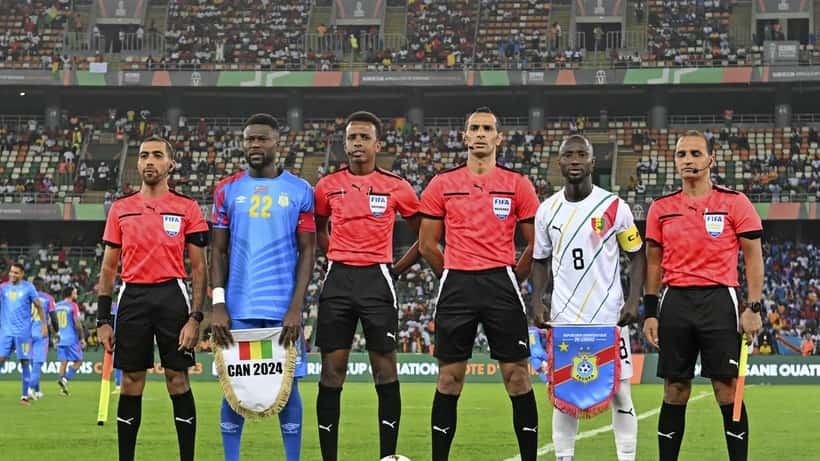
Artan, 34, had been selected by FIFA as one of the match officials for the 2026 FIFA World Cup, which kicked off in the United States on 11 June 2026. He would have been the first Somali referee to officiate at the tournament. According to a report by The New York Times, he was interrogated for 11 hours at Miami airport and questioned extensively about his knowledge of Somali politics and the al-Shabab militant group — a designation he had no known connection to.
He was not told why he was refused entry, shown any evidence, or given an opportunity to challenge the decision before being placed on a return flight.
A Trump administration official confirmed to US media that Artan was denied entry due to "association with suspected members of terror organizations" — but provided no specifics. UEFA subsequently confirmed Artan would officiate the 2026 UEFA Super Cup on 12 August in Salzburg, between Paris Saint-Germain and Aston Villa.
Can a Country Legally Bar You Without Explanation?
Yes — and this surprises many people. Sovereign nations hold near-absolute power over who enters their territory. Under US immigration law, a foreign national arriving at the border has no constitutional right to enter, and border officials can refuse entry with minimal formal justification. The decision is effectively unreviewable in real time.
What makes Artan's case troubling is not the legal mechanics — refusal at the border is lawful — but the process, or lack of it. He had no opportunity to see the accusation, no ability to respond, and no formal appeal route. For a man who has spent years working at the highest levels of international football, the reputational damage caused by a vague terrorism allegation is profound.
"Unverified travel bans are one of the most damaging things that can happen to an individual's professional life," says a senior immigration lawyer at a London civil liberties firm. "The person flagged is often the last to know, and the evidence is frequently withheld on national security grounds — leaving little room for challenge."
What Legal Rights Do UK Travellers Have?
For UK nationals and residents facing similar situations, the legal landscape depends heavily on which country is involved and whether UK authorities are implicated.
Refused entry abroad
If you are refused entry to the US or another country as a UK citizen, the UK government has limited ability to intervene. The Foreign Commonwealth and Development Office (FCDO) can offer consular assistance — attending a detention, making representations — but cannot compel a foreign government to admit you. Under ESTA (the US Visa Waiver Programme), there is no formal appeal process for a border refusal.
If you believe you are wrongly listed in a US database, the Department of Homeland Security Traveler Redress Inquiry Program (DHS TRIP) allows you to submit a request for review, but the process is slow and outcomes are not guaranteed.
Stopped by UK authorities
If you are stopped at a UK port or airport, you may be detained under Schedule 7 of the Terrorism Act 2000 — powers that allow border officials to hold you for up to six hours to determine whether you have been involved in the commission, preparation, or instigation of terrorism. You are not under arrest, but you must comply.
Crucially, under Schedule 7, you have the right to consult a solicitor — though this can be delayed in certain circumstances. You also have the right to have someone informed of your detention. You do not have to answer questions, though the officer may draw adverse inferences.
The Human Rights Act 1998
For actions taken by UK authorities, the Human Rights Act 1998 incorporates key European Convention on Human Rights (ECHR) protections. Article 5 (right to liberty), Article 6 (right to a fair trial), and Article 8 (right to private and family life) all apply. If you believe a UK authority has violated these rights through a travel restriction or detention, judicial review is available — including via the Special Immigration Appeals Commission (SIAC) for national security cases.
The ECHR has repeatedly ruled that blacklisting without a meaningful opportunity to challenge — particularly where evidence is withheld — breaches Article 6. These rulings apply to UK state actions, not to foreign government decisions.
Practical Steps If You Are Stopped at a Border
Whether you are detained at a UK airport or refused entry abroad, acting quickly matters:
- Stay calm and do not resist — confrontation escalates detention and weakens your legal position.
- Ask for the reason in writing — you may not receive it, but the request creates a record.
- Contact your nearest UK embassy or consulate immediately if you are refused entry abroad. Consular officers can attend detention for British nationals.
- Request to speak to a solicitor — this right is stronger in the UK than at many foreign borders, but asserting it clearly matters.
- Document everything — names of officers, times, questions asked, and any documents given.
"The earlier you get legal advice, the more options you have," says an immigration barrister who has handled Schedule 7 cases. "Delay can close doors — particularly around judicial review timelines."
The Broader Issue: Due Process and Terror Accusations
The Omar Artan case is a reminder that terrorism-related suspicion can fall on anyone — including individuals with no criminal record and a distinguished professional profile. The 2026 World Cup, hosted across 16 US cities, has brought heightened security vetting and an increased risk of wrongful flags in automated intelligence systems.
For UK citizens travelling to World Cup host cities or any country with strict security screening, understanding your rights before you travel is no longer optional. For context on how the 2026 World Cup has already created complex legal situations for fans and officials, see our guide on World Cup legal rights for UK fans.
Speak to an Immigration Lawyer
If you have been refused entry to a country, stopped under Schedule 7, or believe you may be wrongly listed in a security database, expert legal advice is essential. The intersection of immigration law, counter-terrorism powers, and human rights is complex — and the stakes, as Artan's case shows, can be career-defining.
Expert Zoom connects UK residents with qualified immigration and civil liberties lawyers who can advise on your specific situation, review any formal correspondence, and guide you through the available challenge routes.
This article is for general information only and does not constitute legal advice. If you are detained or refused entry under terrorism-related powers, contact a qualified solicitor immediately.
