 Phoebe Wilson
New Zealand vs Belgium 2026: Fan Health Guide for UK Supporters
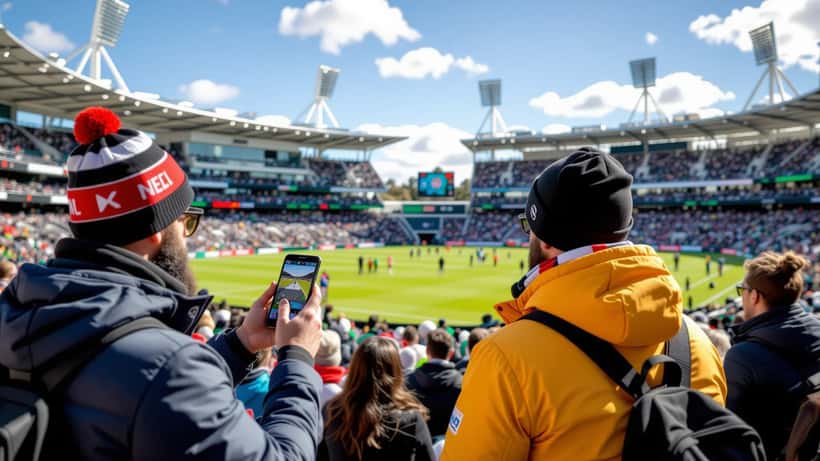
The New Zealand vs Belgium fixture is already one of the most talked-about cross-confederation clashes on the 2026 calendar. Whether you are flying from London, Manchester or Edinburgh to catch the match, the excitement of international football can hide a few health risks that are easy to overlook. Long-haul travel, late kick-offs, unfamiliar food and huge crowds all place extra strain on the body. This guide explains how to stay well before, during and after the game, and when it makes sense to ask an expert rather than take a chance.
Why this match matters for travelling fans
Belgium’s golden generation may be evolving, but their squad depth and tactical quality remain formidable. New Zealand, meanwhile, continues to punch above its weight on the global stage. When the two meet in 2026, thousands of European supporters are expected to make the trip, with many using the fixture as the centrepiece of a longer overseas break. The combination of a high-stakes game and a long-distance journey turns a simple weekend away into a genuine endurance event.
If you are travelling from the UK, the time-zone shift alone can blunt your reaction times and suppress your immune system for several days. Add in disrupted sleep, airport stress and the emotional highs and lows of a live match, and even healthy fans can start to feel run down. Planning your health in advance is not overcautious — it is part of getting the most out of the experience.
Build a travel-health buffer before you leave
Start by checking that your routine vaccinations are up to date. Depending on the host destination, you may also need destination-specific jabs or malaria advice. A travel-health consultation is the fastest way to get a personalised checklist, especially if you have underlying conditions such as asthma, diabetes or a heart condition.
Next, think about your medication supply. Pack more than you expect to need, split it between hand luggage and checked bags, and carry a copy of your prescription. If you take controlled medication, check the legal status of those drugs in the country you are visiting. A quick conversation with a pharmacist or travel-medicine specialist can prevent problems at customs.
Sleep is another under-rated preparation tool. In the week before departure, try to shift your bedtime by 30 to 60 minutes towards the destination time zone. Exposure to daylight soon after arrival will help reset your body clock more quickly than naps alone.
On the ground: hydration, food and crowd safety
Stadium atmospheres are electric, but they are also hot, noisy and dehydrating. Alcohol and caffeine, the default fuels of many away days, make dehydration worse. Aim to alternate every alcoholic drink with a large glass of water, and carry a refillable bottle where venue rules allow it.
Street food can be one of the joys of travelling for football, but an upset stomach on match day is not worth the risk. Choose vendors with high turnover, eat food that is cooked fresh in front of you, and avoid raw items if you are unsure about water quality. If you have allergies or intolerances, carry a translated card explaining your dietary needs.
Crowd safety is equally important. Arrive early, identify your nearest exit, and avoid pushing into packed sections. If you feel faint, short of breath or unusually anxious, move to a quieter area and ask stewards for help. These symptoms can signal heat exhaustion, dehydration or a panic response, and they should be taken seriously.
Jet lag, sleep and mental fatigue
Long-haul flights to a New Zealand or Belgium match can leave your body clock scrambled for days. The classic advice is to seek bright light in the morning of the new time zone and to avoid heavy meals and screens late at night. Melatonin can help some travellers, but it is not suitable for everyone, so discuss it with a clinician before you buy it over the counter.
Emotionally, big matches can be draining too. Anticipation builds for weeks, and a disappointing result can leave fans feeling low. If you are travelling with friends, check in on each other. If low mood persists after you return home, it may be worth speaking to a mental-health professional. There is a growing recognition that sporting events can trigger genuine emotional stress, not just harmless disappointment.
When to consult an expert
Most match-day health issues are preventable, but some require professional input. See a doctor or travel-health clinician before you book if you are pregnant, have a chronic illness, or take regular prescription drugs. During the trip, seek urgent care for chest pain, severe shortness of breath, confusion, persistent vomiting, or signs of a deep-vein thrombosis such as a swollen, painful calf after a long flight.
For less urgent concerns, an online consultation can be a convenient first step. Speaking to a qualified clinician from your hotel room saves time and helps you decide whether you need in-person treatment. The key is not to let pride or holiday bravado stop you from getting advice early.
Learning from other major fixtures
Other high-profile 2026 matches have already shown how travel, sport and health overlap. England’s meeting with Ghana, for example, has prompted plenty of discussion about kick-off times and fan welfare for UK travellers. Articles such as England vs Ghana, World Cup 2026: Kick-Off Time for UK Fans and Brazil vs Haiti at WC2026: 5 Signs the Emotional Toll is Affecting Fans highlight how preparation can reduce both physical and emotional strain.
Player health stories are also instructive. Marc Cucurella’s Non-Stop WC2026: 5 Signs You Need a Sports Medicine Specialist and Thibaut Courtois’s WC2026 Comeback: What His Quadriceps Tendon Recovery Teaches Us show the value of early expert assessment and structured recovery. The same principle applies to fans: niggles that are ignored can become serious problems.
Domestic rivalries provide another useful comparison. The Tyne-Wear Derby 2026: The Health Risks Football Fans Should Watch piece covers everything from blood-pressure spikes to crowd-related injuries, and much of that advice transfers directly to an international away day.
Final checklist for New Zealand vs Belgium
- Book a travel-health consultation six to eight weeks before departure.
- Pack extra medication, copies of prescriptions and a basic first-aid kit.
- Begin shifting your sleep schedule a few days before you fly.
- Stay hydrated, protect yourself from sun and cold depending on the venue, and pace your alcohol intake.
- Know the location of medical facilities near your accommodation and the stadium.
- Keep an online consultation app handy for non-urgent advice.
Conclusion
The New Zealand vs Belgium match in 2026 should be a memorable occasion for any football fan, but the best memories come from staying healthy enough to enjoy every moment. A little preparation before you leave, sensible habits during the trip, and a willingness to ask an expert when something feels wrong will keep you in your seat until the final whistle. Safe travels, and enjoy the game.
