 Grace Davies
Health and Social Care Secretary Yvette Cooper announced on 18 November 2026 at the King's Fund annual conference that new neighbourhood support teams will give dedicated, personalised care to the most vulnerable patients in England. The Department of Health and Social Care says the aim is to keep 1.8 million people out of hospital, and expects the move to cut emergency hospital bed days by around 4 million.
What the government has announced
According to the Department of Health and Social Care press release, the NHS will be required to proactively identify the most vulnerable people in their communities. The release names frail older people, people living with dementia, those in care homes and people approaching the end of life.
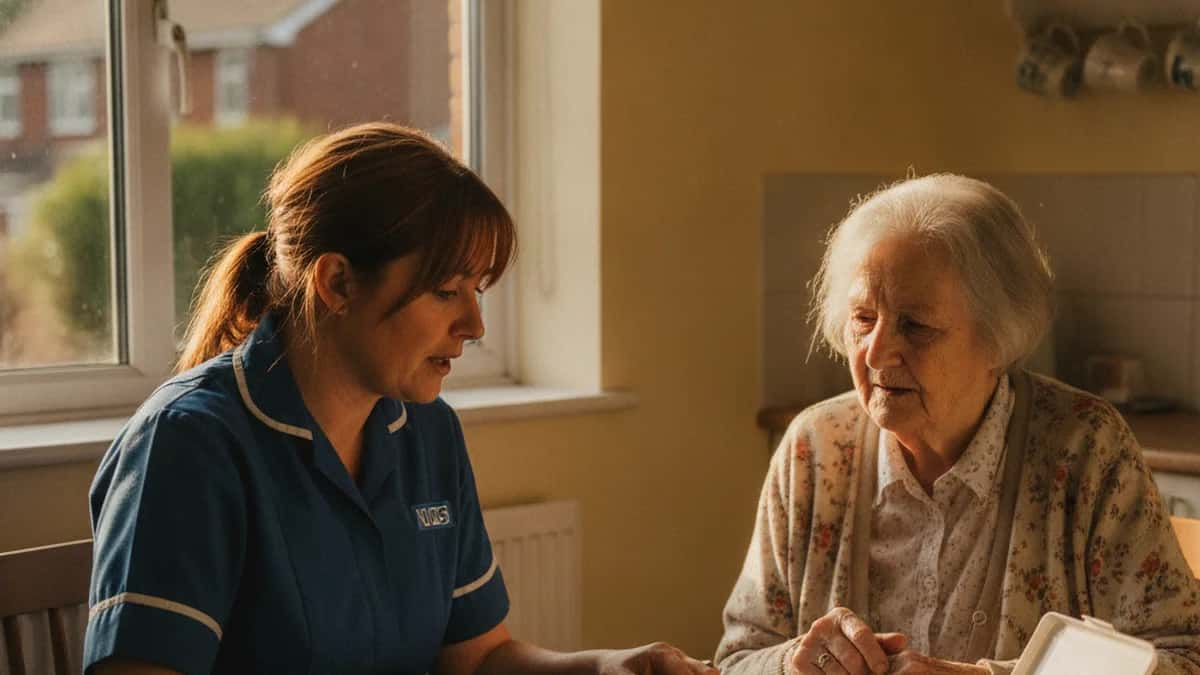
Each person enrolled is to have a dedicated neighbourhood support team working with their existing GP. The release lists what they should receive:
- one tailored care plan covering medicines, ongoing treatment, therapy and support at home;
- regular reviews and, where appropriate, remote monitoring to spot problems early;
- a single number that the person, their family or any professional supporting them can call at any hour;
- a co-ordinated response if a crisis occurs, including support to return home promptly and safely after hospital treatment.
Teams will be multidisciplinary, drawing on GPs, community health services, mental health services, social care and voluntary organisations in every neighbourhood in England.
The numbers and the timetable
The release states that at least 1% of the population in England, more than half a million people, will receive dedicated support by April 2027, expanding over later years to reach more people at greatest risk. It adds that around 3 to 5% of the population currently accounts for approximately 70% of emergency bed days.
On that basis, the government estimates earlier support could cut around 4.3 million bed days and generate net savings of more than £1 billion to the NHS each year. The teams will be funded by using existing NHS budgets differently, and local NHS leaders will prioritise existing funding to set the service up. Integrated care boards will remain accountable for commissioning community support, aligned with local social care arrangements.
The release also says primary care networks have already begun identifying people at greatest risk and putting up to date care plans in place. It was announced last week that up to 300,000 people will receive more proactive support from their GP this winter through a new £40 million government-funded programme.
Why it matters for families
The Secretary of State said too many people with complex needs are left to navigate a fragmented system alone, and that families often have to repeat their stories to different services. The plan is presented as a down payment on the national care service the Prime Minister has pledged, following Baroness Louise Casey's commission on adult social care. For related background, see our piece on the neighbourhood home care plan.
The British Geriatrics Society welcomed the initiative, while the NHS Alliance said the ambition now has to become a sustainable model that builds on what already works locally.
What to check if you care for someone vulnerable
The text does not give a way to apply, and it does not say how people will be selected beyond the groups named. Nothing in the release says a family can request enrolment. Until local guidance appears, a practical checklist helps:
- Ask the GP practice whether the person already has an up to date care plan, since primary care networks have begun this work.
- Note the medicines, treatments and support at home that a care plan would need to cover.
- Keep a record of who already supports the person, so a future team does not start from scratch.
- Ask the local integrated care board how neighbourhood support teams will be commissioned in your area.
The release does not say how the scheme interacts with existing social care assessments, charges or benefits, so do not assume either way. This article is general information, not medical advice. For questions about a particular patient's care, a GP or a qualified health professional can advise.
What the text leaves open
The announcement does not set a date by which every neighbourhood will have a team beyond the April 2027 milestone for 1% of the population. It also does not say how many staff will be needed or how teams will differ between areas. The government says an upcoming strategy for urgent, emergency and planned care will place the teams at its heart.
Families who want personal guidance on care planning, medicines or hospital discharge can consult a health expert on Expert Zoom.
