 Imogen Bennett
Nationwide completed its £2.9 billion takeover of Virgin Money on 2 April 2026, absorbing 6.6 million customers into the UK's largest building society. If you have a savings account, mortgage, or current account with either institution, your financial arrangements have already changed — even if your day-to-day banking looks exactly the same.
What Changed on 2 April 2026
On the completion date, Virgin Money's entire business — including Clydesdale Bank's banking operations — transferred to Nationwide. Your sort code, account number, credit card details, and PIN all remain the same. Direct debits, standing orders, and interest rates are unchanged for now.
However, the legal entity behind your account is different. Nationwide is a building society, not a bank — meaning it is owned by its members (its customers), not shareholders. Virgin Money customers became Nationwide members on 2 April, gaining the right to vote at the Annual General Meeting and receive annual financial updates.
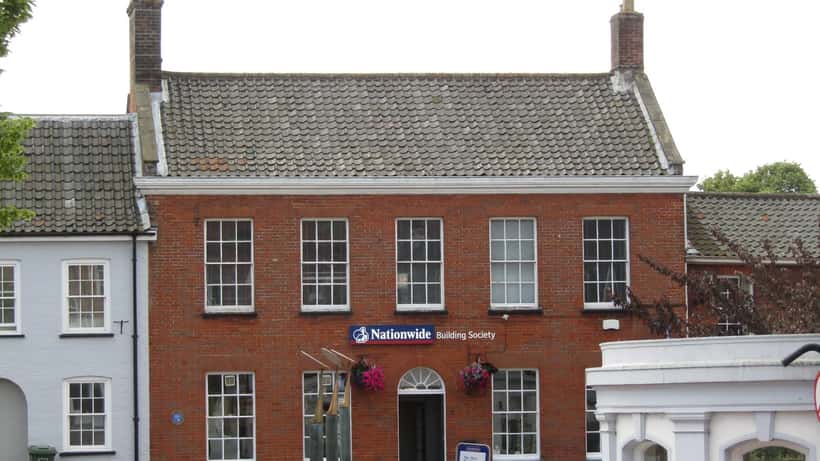
The combined institution now operates 696 branches across the UK — Nationwide's 605 plus Virgin Money's 91 — making it the country's biggest single-brand banking network. Nationwide has extended its Branch Promise to all Virgin Money locations, guaranteeing branches remain open until at least January 2030.
The FSCS Protection Gap You Cannot Afford to Miss
This is the most critical change for savers. The Financial Services Compensation Scheme (FSCS) protects up to £85,000 per person, per authorised institution — or £170,000 for joint accounts.
Before 2 April 2026, Nationwide and Virgin Money were separate authorised institutions. That meant a customer with £85,000 in Nationwide and £85,000 in Virgin Money was fully protected — £170,000 covered in total.
From 2 April 2026, they share one authorised entity. The combined limit is now £85,000 per person (£170,000 joint) across both — not each. If you held savings with both institutions and your combined total exceeds £85,000 as an individual, you now have unprotected funds.
According to Nationwide, Virgin Money will contact affected customers with a fixed-rate, notice, or cash ISA account. These customers can withdraw or transfer funds fee-free and without penalty until 1 June 2026. After that date, early exit penalties may apply on fixed-rate products.
If you have a regular savings or easy-access account and are over the threshold, you are not receiving an automatic notification — it is your responsibility to act.
What to Do Now: A Step-by-Step Checklist
1. Calculate your combined exposure. Add up every pound you hold at both Nationwide and Virgin Money (savings, ISAs, current account cash reserves).
2. If your total exceeds £85,000 individually or £170,000 jointly, you must move the excess before 1 June 2026 to avoid losing protection. Easy-access accounts can be moved immediately. Fixed-rate accounts may be moved fee-free until 1 June 2026 — after that, you will face penalty charges.
3. Reassess your rate. Nationwide has confirmed no interest rate changes at the point of transfer, but building society rates are reviewed periodically. Compare your current rate with the best available on the market. Switching to a higher-rate account elsewhere is now easier than ever.
4. Review mortgage customers. If your mortgage was with Clydesdale Bank or Virgin Money, your contract has been novated (legally transferred) to Nationwide. Your rate and term are unchanged, but your lender of record is now Nationwide. This matters when you remortgage — Nationwide's criteria and product range now govern your options.
5. Joint account holders. The £170,000 joint protection limit is shared across both institutions. If you and a partner have accounts across Virgin Money and Nationwide, the same threshold applies.
The Bigger Picture: Why Consolidation Matters for UK Savers
The Nationwide–Virgin Money deal is the latest in a wave of UK banking consolidation. Smaller institutions have been merging or exiting, reducing competition for savers and borrowers. The Competition and Markets Authority (CMA) approved the merger in February 2026 after an initial investigation found it would not substantially reduce competition.
However, consumer groups have raised concerns about reduced options for customers who valued Virgin Money's digital-first approach, particularly its popular M Plus current account. Nationwide has promised to maintain Virgin Money-branded products during a transition period, but has not specified how long that will last.
For borrowers, the merger could reduce mortgage rate competition — though Nationwide remains a key challenger to the Big Four banks and is expected to continue offering competitive products.
When Should You Speak to a Wealth Expert?
Not every saver needs professional advice. But if you are in any of these situations, a qualified independent financial adviser or wealth manager can help you make the right decision quickly:
- You hold more than £85,000 (individually) across Nationwide and Virgin Money combined. Act before 1 June 2026 to protect your funds without penalty.
- You are approaching retirement and rely on interest income. Rate changes, however small, compound significantly over time. An adviser can help you build a diversified savings structure.
- You have a large Clydesdale Bank mortgage nearing its fixed-rate end. Now that it sits under Nationwide, remortgaging options and product availability may differ from what you expected.
- You are unsure whether your ISA allowance has been affected. The merger does not affect the annual ISA allowance, but the way your existing ISA is held has changed. A financial adviser can confirm your tax-free allowance is intact.
Under UK law, financial advisers providing personal recommendations on savings and investment products must be authorised by the Financial Conduct Authority (FCA). Checking an adviser's FCA register entry before you engage them is a simple step that protects you.
Key Dates to Remember
| Date | What Happens |
|---|---|
| 2 April 2026 | Transfer completed — Nationwide becomes your institution |
| 1 June 2026 | Free exit window closes for fixed-rate, notice, and cash ISA accounts over FSCS limit |
| January 2030 | Branch Promise minimum guarantee date |
The Nationwide–Virgin Money merger is the largest building society deal in UK history. For most customers, nothing feels different today. But for savers above the protection threshold, the window to act without penalty is open now — and it closes in weeks.
Financial disclaimer: This article provides general information and does not constitute personal financial advice. Speak to a regulated financial adviser before making decisions about your savings or mortgage. The FSCS limit and any product terms referenced are correct as of April 2026.
