 Isobel Fraser
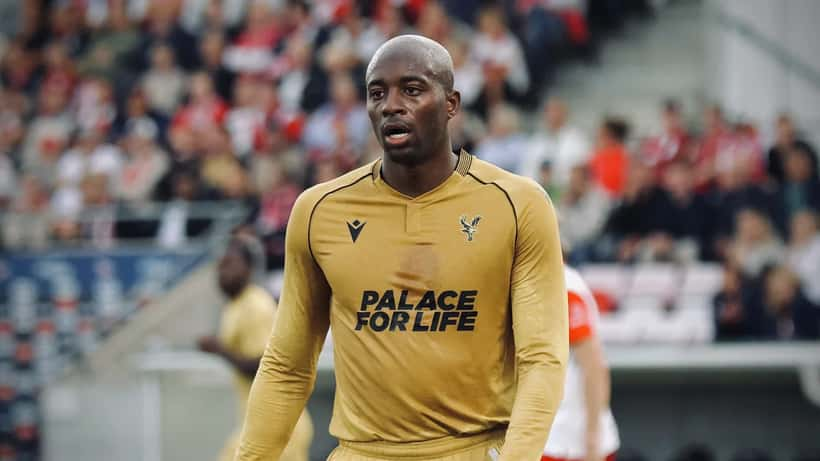
Jean-Philippe Mateta turned 29 this month and is living the dual life of every elite professional at peak earning potential: representing France at the 2026 World Cup in New Jersey while his club, Crystal Palace, braces for a summer transfer saga that could reshape their Champions League ambitions. With Crystal Palace reportedly setting a £40 million asking price for their top striker — and clubs including Manchester United and Tottenham circling — Mateta's situation is about far more than football. It is, at its core, one of the most consequential financial decisions any professional can face.
The Numbers Behind Mateta's Transfer Saga
Crystal Palace signed Jean-Philippe Mateta from Mainz in 2021 for around £12 million. His current reported earnings of £50,000 per week — approximately £2.6 million per year — reflect a contract extended to 2027, but one Mateta is said to find increasingly misaligned with his market value. That gap between current pay and perceived worth is the engine driving the summer uncertainty.
Crystal Palace's £40 million valuation is not arbitrary. Mateta has been the club's most reliable attacker in their rise to European football, and replacing that output — particularly in a season where Champions League revenue could exceed £70 million — carries a genuine financial cost. But from the player's perspective, a £40 million transfer fee is the number that sets the tone for contract negotiations with any buying club. When a club pays that much to acquire a striker, they do not offer the same terms they would for a free agent.
Champions League Prestige vs. Career Peak Earnings
The dilemma Mateta faces is one that high-earning professionals across many sectors encounter at career inflection points: take the safe, prestigious position — Crystal Palace's Champions League season — or pursue the potentially higher-compensating offer elsewhere.
For a footballer turning 29, the calculation has specific urgency. Most elite players see their highest-earning contracts agreed between the ages of 26 and 31. After that window, clubs become increasingly reluctant to commit to long-term, high-value deals. A £90,000-per-week contract starting in 2026 instead of £50,000 means roughly £10 million in additional pre-tax earnings over a three-year deal — not counting commercial opportunities and image rights agreements, which typically scale with club prestige.
AC Milan reportedly saw their interest collapse in January 2026 following medical concerns over a knee injury — a sharp reminder that a footballer's earning window can close without warning. This is precisely why financial planning cannot wait until after a transfer decision is made. The structure of any new contract — salary, bonuses, image rights split, pension contributions — requires specialist analysis before a signature is put to paper.
What UK Tax Rules Mean for a £40m Transfer Decision
For Mateta, if he moves to a Premier League club, UK tax rules apply immediately. High earners in the United Kingdom pay income tax at 45% on earnings above £125,140 per year, with national insurance contributions adding a further layer of cost. On a reported £50,000-per-week salary, the annual gross income of £2.6 million means a tax liability of well over £1 million per year under HMRC's current bands.
According to GOV.UK income tax guidance, financial planning tools such as registered pension contributions can reduce the effective tax rate significantly. Elite athletes who use self-invested personal pensions (SIPPs) and employer pension schemes can legally reduce their taxable income by tens or hundreds of thousands of pounds annually — a benefit that compounds dramatically across a five-year contract.
For players considering a move abroad — to Serie A, La Liga, or Ligue 1 — the residency and double-taxation treaty implications shift entirely. The difference between net earnings in France, Italy, or Spain versus England can amount to millions over a playing contract. Yet this factor is frequently overlooked by athletes focused on the gross weekly figure rather than what actually reaches their account.
Three Questions Every High-Earning Professional Should Ask
Whether you are a Premier League striker or a professional at a critical career crossroads, the questions wealth managers ask are structurally identical.
Will peak earnings be converted into long-term assets? Mateta's current £2.6 million annual salary, if properly structured, should fund a post-career income stream that requires no further employment. Yet FIFPRO data consistently shows that a significant proportion of footballers face financial difficulty within ten years of retiring. The gap is not usually one of income — it is one of planning.
Is the decision being evaluated net, not gross? Two clubs offering the same headline weekly wage can produce dramatically different outcomes after tax optimisation, pension structuring, and image rights arrangements. A high offer from a club in a more favourable tax jurisdiction can net more than a higher headline figure at a London-based side.
What is the exit strategy? Professional careers end through injury or decline, often both. Building a financial structure that converts career-peak income into rental income, equity investments, or business ownership before that endpoint — rather than after — is the difference between independence and difficulty at 35. Wealth management for professional footballers is a growing discipline precisely because the earnings window is narrow and the stakes are high.
When to Consult a Wealth Management Expert
Mateta's transfer situation will be resolved in an agent's meeting room and a solicitor's office. But the financial architecture supporting whatever decision he makes — pension plan, image rights company, investment portfolio — needs to be built by someone who understands both elite athlete finances and UK tax law before the ink dries on any contract.
If you are facing a major income decision, a career transition, or a high-value contract negotiation — whether in sport or any other field — a qualified wealth management expert can model your options with clarity. High-profile footballer wealth decisions continue to demonstrate why specialist advice at the right moment makes all the difference. Explore qualified wealth management specialists through ExpertZoom today.
