 John Green
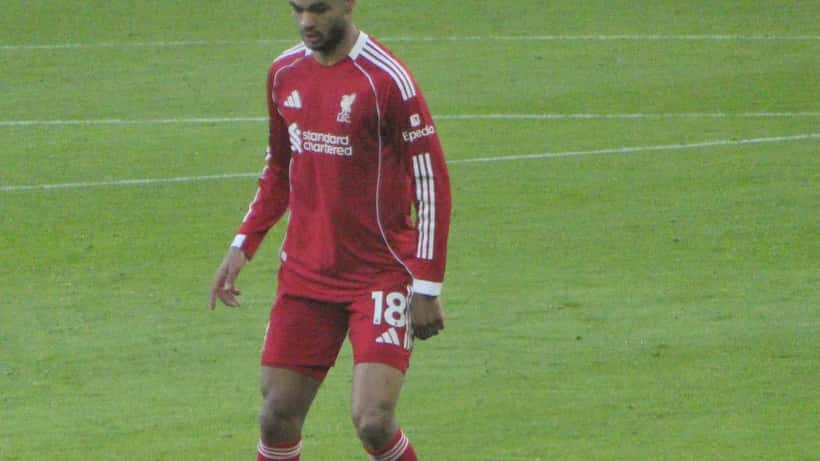
When Cody Gakpo broke the deadlock against Morocco at Estadio Monterrey on 29 June 2026, sending the Netherlands into the round of 16 at the FIFA World Cup, millions of supporters celebrated across the Netherlands and beyond. But behind that headline-grabbing moment lies a financial reality that few outsiders consider: the extraordinary pressures and opportunities that come with earning £200,000 per week as a professional footballer based in England.
At 26, the Liverpool forward is one of European football's most exciting players — and one of its highest earners. Managing that kind of wealth, especially for an athlete whose career could be curtailed by a single serious injury, is a challenge that goes far beyond buying property and luxury cars.
From PSV to Anfield: Gakpo's Rapid Rise
Cody Gakpo's journey from Eindhoven to Liverpool has been both rapid and lucrative. The Netherlands international joined Anfield in January 2023 and quickly established himself as one of the Premier League's most versatile forwards. In August 2025, he signed a new long-term contract keeping him at Liverpool until 2030 — a deal that reportedly pushed his weekly wages to around £200,000, placing him among the highest earners at one of the world's richest football clubs.
At the 2026 World Cup in North America, Gakpo continued to shine. He scored goals in the group stage and delivered again in the round of 32 against Morocco, his strike giving the Netherlands a crucial advantage in a tightly contested knockout tie. With three goals in the tournament by the end of June, he has emerged as one of the competition's standout performers — and one whose commercial value has never been higher.
That combination of profile, age, and earning power makes Gakpo a compelling case study in the intersection of sporting success and serious financial planning.
The Numbers Behind the Goals
A salary of £200,000 per week translates to roughly £10.4 million per year before tax. Performance bonuses can add a further £1.3 million annually, according to reports from Spotrac and ICON. Over the remaining four years of his Liverpool contract, the basic wage alone amounts to over £41 million in gross earnings.
But gross earnings are not the same as personal wealth. The UK income tax regime is among the most progressive in the world. High earners pay 45% income tax on everything above £125,140, plus 2% National Insurance contributions. For a footballer earning £10 million a year, the effective tax rate can approach 47%, meaning only around £5.5 million reaches the bank account each year after HMRC takes its share.
That figure shrinks further once agent fees (typically 3–5% of salary), accountancy costs, legal fees, lifestyle expenses, and investment management charges are deducted.
Why Athlete Finances Are Uniquely Complex
Professional footballers face financial challenges that are genuinely unlike those of most high earners. Four factors make wealth management in sport particularly demanding.
First, earning windows are compressed. A footballer's peak salary years typically span 12–15 years, with the highest wages clustered between ages 23 and 32. Every financial decision made during that window must account for decades of post-career life funded by assets built quickly — and then not replenished.
Second, injury risk is ever-present. A torn anterior cruciate ligament or serious ankle fracture can end a contract overnight. Without income protection insurance and diversified investments, a career-ending injury at 27 can leave even a well-paid player in financial difficulty within a few years of hanging up their boots.
Third, tax domicile complexity is real. International players — Gakpo is Dutch, plays in England, and earns commercial income across Europe — face layered tax obligations across multiple jurisdictions. Double taxation treaties, image rights structures, and the nuances of UK tax residency rules all require specialist advice. Getting it wrong can result in large retrospective tax bills, as several high-profile footballers have discovered.
Fourth, lifestyle inflation erodes even large incomes. The football culture of high spending — luxury property portfolios, performance vehicles, large entourages, international travel — can consume a £200k-per-week salary faster than might seem possible. Research from FIFPro, football's global players' union, found that a significant proportion of professional players experience serious financial difficulty within five years of retirement.
What Good Wealth Management Looks Like at Elite Level
According to UK financial planning standards, a high-net-worth individual — defined by the Financial Conduct Authority as someone with over £100,000 in investable assets — should have a comprehensive financial plan covering five areas: tax efficiency, income protection, investment diversification, estate planning, and retirement income strategy.
For a player of Gakpo's standing, that typically means working with a specialist team rather than a single adviser: an FCA-regulated independent financial adviser with sports expertise, a tax accountant who understands footballer-specific rules, a commercial solicitor, and potentially a family office to manage growing assets.
The Money and Pensions Service — the UK government body that provides free, impartial financial guidance — sets out clear principles for building financial resilience at MoneyHelper. While the fundamentals apply to everyone, the stakes at elite athlete salary levels are exponentially higher. A single poorly structured commercial deal can cost more in mismanaged tax than many people earn in a decade.
World Cup peers face similar challenges. As explored in our analysis of Leandro Trossard's Arsenal contract and WC2026 finances, the pattern repeats across the tournament's highest-profile players: extraordinary earnings, complex tax environments, and limited time to get the financial structure right.
When Should a Footballer Seek Expert Advice?
Much earlier than most actually do. The average age at which professional footballers first engage a qualified independent financial adviser is 29 — by which point several years of peak earnings may already have been poorly managed or placed in unsuitable products.
Gakpo's World Cup heroics will almost certainly trigger a fresh wave of commercial interest: endorsement deals, appearance fees, new sponsorship contracts. Each generates taxable income, potentially across multiple countries, and each requires careful structuring. Image rights companies, for example, are a legitimate and widely used tax-planning tool for elite athletes — but only when set up and administered correctly within HMRC guidelines.
The difference between a footballer who retires comfortably at 34 and one who faces financial difficulties by 40 is rarely down to talent or even total earnings. It is almost always the quality of the financial advice they received during their earning years — and how early they sought it. For any professional athlete watching Gakpo's trajectory, or anyone who has recently experienced a significant increase in income, speaking with a qualified wealth management specialist is the single most valuable step they can take.
This article is for informational purposes only and does not constitute financial advice. For personalised guidance on wealth management, tax planning, or investment strategy, please consult a qualified financial adviser regulated by the Financial Conduct Authority.
