 Daniel Davies
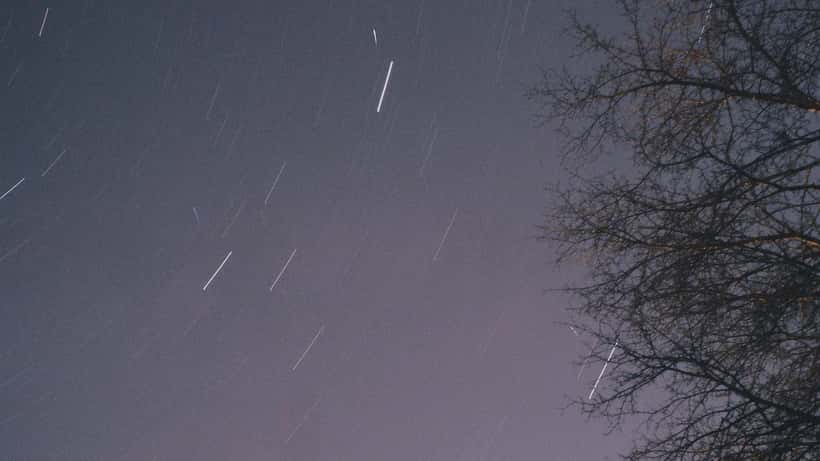
The Lyrid meteor shower peaks on the night of 21–22 April 2026, offering UK stargazers the most dazzling astronomical display of the spring season — but as shooting stars blaze across the sky, a quieter question deserves attention: what happens if something from above actually hits your home?
What Is the Lyrid Meteor Shower?
Active from 16 to 25 April each year, the Lyrids are one of the oldest recorded meteor showers in history — first documented in China in 687 BC. The shower is produced by debris left behind by Comet C/1861 G1 Thatcher, which Earth passes through annually at this time of year.
In 2026, the peak falls on 22 April at approximately 19:15 UTC. Conditions are favourable: a waxing crescent moon sets after midnight BST, meaning the darkest hours before dawn — roughly 02:00 to 04:00 BST — will offer the best viewing. Under clear, dark skies, observers can expect 10 to 15 meteors per hour, with occasional bright fireballs.
The Royal Observatory Greenwich notes that the Lyrids occasionally produce "outbursts" of activity, sometimes exceeding 100 meteors per hour, though such surges are rare and unpredictable. The next major predicted outburst is not expected until 2042.
The One-in-a-Million Question: What If One Hits Your Home?
Meteors burn up almost entirely in the atmosphere — the friction of re-entry destroys the vast majority long before they reach the ground. Those that survive are called meteorites. Impacts on residential property are extraordinarily rare, but not impossible. The most recent widely documented case occurred in 2021, when a small meteorite struck a home in British Columbia, Canada, punching through the roof and landing on a pillow.
In the UK, there is no specific legislation governing meteorite impacts on private property. This creates a surprisingly complex legal picture that home insurance experts say many homeowners have never considered.
Under general insurance law in the UK, most standard buildings insurance policies cover damage from falling objects — but the precise wording matters enormously. Some policies explicitly include meteorite strikes under "impact damage" cover. Others do not mention them at all, leaving the classification open to dispute. A home insurance expert or legal adviser can help you review the exact language in your policy documents.
"Policies that cover 'falling objects' vary widely," explains the framework from the Association of British Insurers (ABI). "What matters is whether meteorite damage is treated as a sudden, accidental event — which is generally covered — or excluded as an unforeseeable natural phenomenon, which some policies handle differently."
According to the Association of British Insurers, standard home buildings insurance covers structural damage caused by a range of sudden events. However, cover for unusual causes of loss — including astronomical impacts — often depends on the specific policy wording rather than any automatic inclusion.
What UK Homeowners Should Know Before the Lyrids Peak
The Lyrid shower is a good reminder to revisit your home insurance policy, even if the chance of a meteorite strike is vanishingly small. Here are the key areas where a home improvement expert or legal adviser can add clarity:
Policy review: Does your buildings insurance explicitly mention impact from falling objects? Are there exclusions for "acts of God" or "natural events" that could be interpreted broadly?
Ownership of a meteorite: If a space rock does land on your property, it does not automatically belong to you in UK law. As a general principle, the meteorite belongs to the landowner — but if you rent rather than own your home, ownership may revert to your landlord. The legal status of meteorite ownership in England and Wales has never been definitively litigated, making this an area where expert legal advice is valuable.
Force majeure clauses: If you run a business from your home and an impact disrupts operations, standard home insurance is unlikely to cover commercial losses. Specialist cover and a clear understanding of force majeure clauses in any business contracts is essential.
Structural surveys after impact: Even a small meteorite strike can cause structural damage beyond the visible entry point. A qualified structural surveyor or craftsperson should assess the property before any repair work begins.
The Broader Picture: Unusual Weather and Home Risks in 2026
The Lyrids come at a time of heightened awareness about unusual environmental events affecting UK homes. In March 2026, large hailstorms caused significant damage to roofs and glazing across parts of England, prompting a surge in home insurance claims and a backlog of repair assessments. That event illustrated how quickly an unexpected environmental episode can leave homeowners navigating complex insurance disputes — and how valuable it is to have already reviewed your policy and consulted an expert.
The same logic applies to astronomical events. The probability is low, but the legal and financial exposure of an unreviewed policy is real. As the ABI advises, knowing what your policy covers before an event occurs — not after — is the foundation of responsible home ownership.
What to Do This Week
With the Lyrids peaking on 22 April 2026, now is an ideal time to:
- Review your buildings insurance policy — check the "falling objects" and "impact damage" sections and look for any exclusions related to natural events
- Contact your insurer directly if the wording is unclear — ask specifically whether meteorite or space debris damage is covered
- Consult a home insurance specialist or legal adviser if you have a high-value property, a listed building, or a home-based business where gaps in cover could have significant financial consequences
ExpertZoom connects UK homeowners with qualified home improvement professionals, surveyors, and legal experts who can help you understand and protect your property — whatever the weather brings. Whether it's a hailstorm or a once-in-a-lifetime Lyrid strike, expert advice gives you the clarity to act quickly.
This article is for general informational purposes only and does not constitute legal or insurance advice. For advice tailored to your specific policy and circumstances, consult a qualified professional.
Related: UK Hailstorm March 2026: 5 Home Repairs to Prioritise After Storm Damage
