 Abigail Clarke
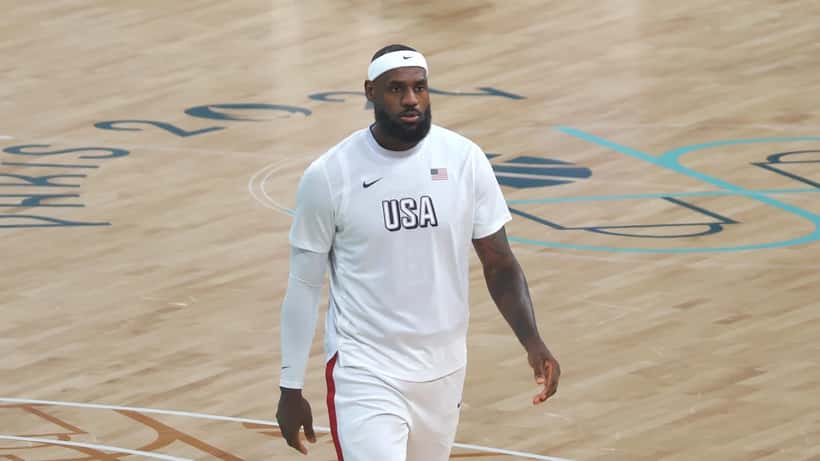
LeBron James, 41, played through left foot arthritis to help the Los Angeles Lakers defeat the Utah Jazz 101-73 on 12 April 2026, clinching home-court advantage in the first round of the NBA playoffs. The performance — 28 points, 12 assists — was remarkable not just for its quality but because it was delivered despite a condition that sidelines millions of amateur athletes worldwide, including hundreds of thousands in the UK.
What LeBron's Foot Injury Actually Is
LeBron has been listed as "questionable" with left foot soreness for several games this season. The underlying issue is arthritis — specifically, wear-related changes to the joints of the foot and ankle that are common in athletes who have logged high-mileage careers. At 41, having played professional basketball for 23 seasons, LeBron's feet have absorbed decades of jumping, cutting, and contact on hardwood floors.
Foot arthritis in athletes presents differently from the gradual onset seen in sedentary populations. The repeated high-impact loading accelerates cartilage breakdown, particularly in the first metatarsophalangeal joint (the big toe joint) and the midfoot. This is why LeBron's team closely manages his workload — choosing which games to rest him and which to play him — rather than attempting to treat the condition into full remission.
The fact that he recorded 97 dunks in 59 games this season, nearly two per game, while managing this condition is extraordinary. But sports medicine specialists caution against using professional athletes as benchmarks for pain tolerance.
Why Weekend Athletes Shouldn't Ignore Foot Pain
The UK has seen a significant increase in recreational sport participation in recent years. According to Sport England's Active Lives data, millions of adults in England exercise regularly. Running, five-a-side football, cycling, and gym training are the most common activities — and all generate repetitive foot loading.
The problem is that amateur athletes often adopt a version of the LeBron approach without the medical infrastructure to support it. They play through foot pain, assume it is minor, and delay assessment until the condition becomes significantly more serious.
Foot pain that persists beyond two weeks of relative rest, worsens with weight-bearing activity over time rather than improving, causes visible swelling or changes in foot shape, or disrupts sleep should be assessed by a doctor or sports medicine specialist. These are not signs of weakness — they are signals that the body is trying to prevent a more serious injury.
Common Foot Conditions in Amateur Athletes
Plantar fasciitis is the most prevalent. It presents as sharp heel pain on the first steps in the morning or after prolonged sitting. The plantar fascia — the thick band of tissue connecting the heel to the toes — becomes inflamed from repetitive strain. Left untreated, it can become chronic and take 18 months or more to resolve.
Stress fractures are common in runners who increase mileage too quickly. These are hairline cracks in the bones of the forefoot, typically the second and third metatarsals. They often feel like a generalised "bruised" sensation across the top of the foot during and after exercise. Standard X-rays frequently miss stress fractures in early stages; an MRI is often needed for diagnosis.
Midfoot arthritis — the type affecting LeBron — develops more gradually in recreational athletes, particularly those over 40 who have been active for decades. Stiffness in the midfoot that is worse in the morning and eases slightly with gentle movement, combined with aching during or after exercise, is the classic presentation.
Achilles tendinopathy affects runners and court sport players. Stiffness and pain in the tendon just above the heel, particularly during the first minutes of activity, indicates this condition. Early management is highly effective; ignoring it risks progression to tendon rupture, which requires surgery.
What a Sports Medicine Specialist Can Do
An assessment by a sports medicine doctor or physiotherapist provides several things that self-management cannot. First, a diagnosis — knowing which structure is affected changes the treatment entirely. Plantar fasciitis responds well to specific stretching protocols and orthotics; stress fractures require rest and potentially non-weight-bearing recovery; arthritis management focuses on load modification and anti-inflammatory strategies.
Second, imaging guidance. A clinician can determine whether an X-ray, ultrasound, or MRI is necessary and interpret the results in the context of your specific sport and training load.
Third, a return-to-sport plan. One of the most common errors in self-managed sports injuries is returning to activity too early or too quickly, which converts an acute injury into a chronic one. A sport and exercise physician can map out a graded return that preserves your fitness while allowing the affected tissue to recover.
The NBA provides LeBron with a full medical team, load management protocols, and real-time monitoring. Weekend athletes in the UK have access to an equivalent level of expertise through NHS physiotherapy referrals or direct access to private sports medicine practitioners.
The Timing Question: When Is It Worth Getting Checked?
Foot pain that clears within a few days of rest is usually not a cause for concern. Foot pain that persists, recurs with activity, or gradually worsens over weeks is worth having assessed.
The LeBron model — pushing through, adapting, managing — works when you have daily expert oversight. Without that support structure, playing through significant foot pain typically extends the overall recovery time rather than shortening it.
If you are experiencing persistent foot pain from sport, a sports medicine consultation is the appropriate next step. A doctor can assess the injury properly, provide a clear diagnosis, and give you a plan that gets you back to your sport faster and more safely than waiting and hoping.
This article provides general health and sports medicine information only. It does not constitute medical advice. For persistent pain or injury, consult a qualified medical professional.
