 John Green
Iraq vs Venezuela 2026: The Wealth Gap Behind the World Cup's Underdog Stories
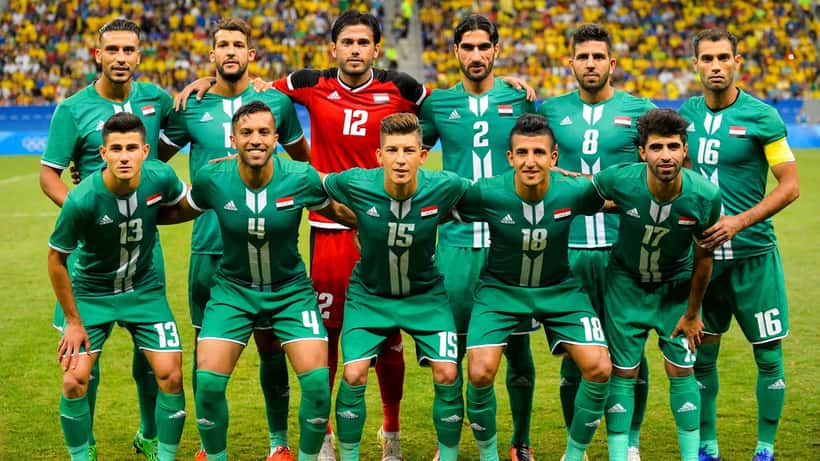
When Iraq and Venezuela stepped out at the 2026 FIFA World Cup, millions of fans around the world witnessed two nations making their mark on football's grandest stage. Yet beyond the goals and celebrations lies a financial reality that rarely makes headlines: for players from lower-ranked football nations, a World Cup appearance can represent a once-in-a-career financial windfall — and without proper planning, those windfalls can disappear just as quickly as they arrive.
For UK-based fans, investors, and financial professionals watching the tournament, the stories playing out in the Iraq vs Venezuela fixture offer surprisingly relevant lessons about contract structures, image rights, and wealth preservation — themes that apply well beyond the football pitch.
Why Iraq and Venezuela Players Face Unique Financial Pressures
Players representing Iraq and Venezuela at the 2026 World Cup come from football ecosystems that look very different from the Premier League or La Liga. According to FIFA's Global Transfer Market Report, the median annual wage for a professional footballer in Asia and South America outside of the top leagues can be as low as $30,000–$60,000 USD — a fraction of what even a Championship-level player in England earns.
For these players, a World Cup is not just a sporting pinnacle — it is a commercial opportunity. Kit deals, appearance fees, social media sponsorship, and transfer value can all surge dramatically following a strong tournament performance. Iraq's appearance at the 2026 World Cup — only their third in history — has already attracted sponsorship interest from Middle Eastern commercial brands. Several squad members saw their social media followings multiply by tens of thousands within days of qualification.
"The financial window opened by a World Cup is narrow and rarely repeats," says guidance from sports financial advisers. "Players from lower-ranked nations often have limited infrastructure around them — no agents with Premier League experience, no specialist accountants. The risk of mismanaging a sudden income spike is real."
The Contract Trap: What UK Fans Should Understand
Many Iraq and Venezuela players compete in leagues where contracts are short-term, weakly protected, and subject to sudden termination. Under FIFA's Regulations on the Status and Transfer of Players (RSTP), all registered clubs must honour employment contracts — but enforcement in leagues with weaker football associations can be inconsistent.
A World Cup appearance, however, typically triggers "release clauses" — contract provisions that allow foreign clubs to approach players. Several of Iraq and Venezuela's World Cup squad members play in European leagues and have clauses that activate when the player achieves international milestones. This legal mechanism, enshrined in the RSTP, means that a strong tournament can trigger a flurry of transfer negotiations within weeks of the final whistle.
For UK clubs and investors in football finance, understanding these clauses matters. The post-World Cup transfer window is historically when the highest-value deals for emerging-market players occur — and knowing whether a target player's release clause has been activated requires specialist legal and financial due diligence.
Image Rights and Tax: The Hidden Wealth Issue
In the UK, image rights agreements are a significant part of high-earning athletes' financial structures. Premier League clubs often pay a portion of player remuneration through a separately structured image rights company — typically registered by the player — which can offer tax efficiencies depending on the individual's tax residency status.
For Iraq and Venezuela players who attract Premier League interest following the World Cup, setting up the right structure before completing a transfer is critical. Getting it wrong can mean paying significantly more tax than necessary on future earnings, and HMRC has historically scrutinised image rights arrangements closely.
The UK's 2026 Finance Act introduced updated guidance on non-domicile tax status, which affects overseas players moving to England. Players who have not previously been UK tax residents may benefit from transitional provisions, but only if they take advice before their tax status is established in the UK.
What This Means for UK-Based Sports Investors
The growing market for sports investment — including fractional club ownership, player performance bonds, and sports media rights funds — means that UK retail and institutional investors increasingly have exposure to the financial fortunes of players and clubs from markets like Iraq and Venezuela.
Football investment platforms operating in the UK are required to be authorised by the Financial Conduct Authority (FCA). Investors should verify that any platform offering returns linked to player performance or transfer fees holds the appropriate permissions before committing capital.
Following tournament upsets and breakout performances — the kind that the Iraq vs Venezuela fixture can produce — speculative investment products tied to individual player valuations sometimes see short-term demand spikes. These products carry significant risk: player valuations can fall as quickly as they rise, and liquidity is limited compared to traditional assets.
Practical Steps for Anyone Watching the Bigger Financial Picture
Whether you are a fan thinking about World Cup-themed investments, a sports professional advising athletes, or simply curious about how financial planning intersects with international football, the key principles remain consistent:
- Seek regulated advice — any firm offering investment products linked to sport must be FCA-authorised
- Understand the short window — commercial value from a tournament appearance fades fast; structured financial planning must happen quickly
- Consider tax residency before contracts are signed — not after
- Diversify — concentrating wealth in football-linked assets carries sector-specific risks
For UK fans inspired by the underdog stories of Iraq and Venezuela at the 2026 World Cup, there is also a personal finance lesson embedded in every match: the biggest financial mistakes — by players and fans alike — tend to happen in moments of excitement, when careful planning takes a back seat to emotion.
If you are considering any financial decisions connected to the World Cup — from sports investment platforms to advice on representing athletes — consulting a qualified wealth management professional is the most reliable first step. ExpertZoom connects UK residents with regulated financial advisers who specialise in sports and international finance.
This article is for informational purposes only and does not constitute financial advice. Always seek independent regulated advice before making investment decisions.
