 Phoebe Wilson
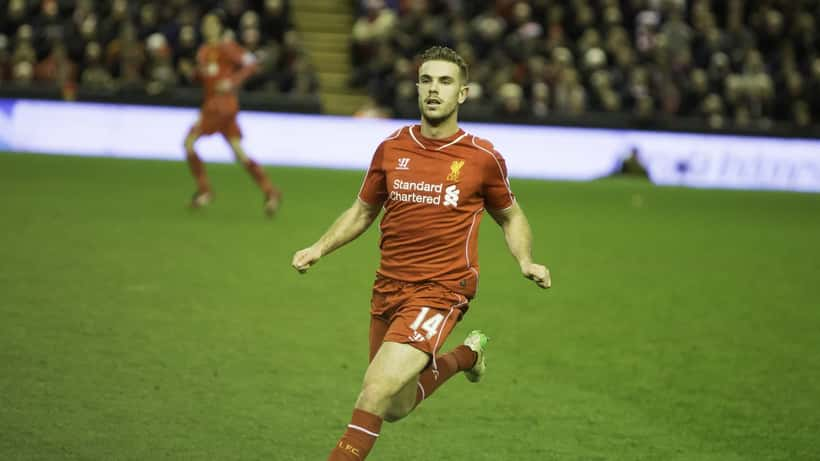
Jordan Henderson was stretchered off the Azteca Stadium pitch on 6 July 2026 — not because of a crunching tackle or a hamstring tear, but because he tried to hop a low wall during England's post-match celebrations. The 36-year-old stumbled, clipped his foot on the wall's edge, and landed hard on his arm. Within seconds, team-mate Dan Burn was waving frantically for the medical team.
It was a joyous night for England fans watching their side beat Mexico 3-2 in the World Cup Round of 16. But Henderson's stretcher exit cast an anxious shadow. The question that England's medical staff — and millions of supporters — are now asking is whether one of the squad's most experienced players will be fit for next Saturday's quarter-final against Norway at Hard Rock Stadium, Miami.
The incident is also a reminder of something rarely discussed in football circles: celebration injuries are real, more common than many assume, and for over-35s especially, what looks like a minor stumble can turn out to be significantly more serious.
The Anatomy of a Celebration Fall
When Henderson tumbled, his instinct — like most people's — would have been to throw his hands out to break the fall. That reflex is almost impossible to override, but it is also the most common route to a wrist or forearm fracture. Sports medicine professionals refer to this mechanism as a "FOOSH" injury: a fall onto an outstretched hand.
According to the NHS, a broken wrist is one of the most common fractures in the UK, occurring most frequently in sporting and recreational settings. The typical result of a FOOSH is a Colles fracture — a break near the end of the radius bone — which produces immediate pain, rapid swelling, and restricted movement in the wrist and hand.
What made Henderson's situation particularly precarious is that he had just completed more than 90 minutes of intense physical exertion. Muscle glycogen is depleted, concentration lapses, and the body's capacity to react quickly and absorb impact is diminished after a full match. Add the euphoria of a dramatic comeback win, a wet pitch surface, and a low concrete wall at an awkward height, and the conditions were almost designed to catch someone out.
Why Over-35 Athletes Face Greater Risks
At 36, Henderson is the oldest player in England's 2026 World Cup squad — a remarkable achievement reflecting his fitness and professionalism across a lengthy career. But physiology is unforgiving. After the age of 35, bone density begins to decline measurably, and soft tissue recovers more slowly from the micro-stresses of top-level competition.
For comparison, a player in his early twenties who falls onto an outstretched hand might jar the wrist, experience soreness for a couple of days, and recover without formal treatment. The same fall in a 36-year-old can result in a fracture requiring casting, immobilisation, and several weeks away from sport.
Sports medicine professionals are consistent on this point: it is not about overall fitness level. Even elite, highly conditioned athletes over 35 show the same age-related bone density changes as the wider population. Henderson's cardiovascular conditioning and strength work do not protect the microstructure of his radius or ulna.
When Should You Go to A&E After a Fall?
Whether you are a professional footballer or a weekend five-a-side player, certain signs after a fall onto an arm or wrist demand immediate medical attention. You should seek urgent care at an A&E or minor injuries unit if:
- You cannot move the joint without significant pain
- Visible swelling or deformity appears within the first 30 minutes
- You heard or felt a crack at the moment of impact
- There is numbness or tingling in the fingers or hand
- Pain is disproportionate to what the injury appears to be on the surface
If none of these apply, the NHS recommends applying ice wrapped in a cloth for no more than 20 minutes at a time, elevating the limb, and monitoring for 24 to 48 hours. Pain that does not improve, or swelling that continues to worsen, should be assessed professionally regardless.
Henderson's case almost certainly triggered several of these warning signs — which is why England's medical team acted without hesitation.
England's Quarter-Final Hopes: The Medical Timeline
England face Norway in the quarter-final at Hard Rock Stadium, Miami, on Saturday 12 July at 10pm BST. It is one of the most anticipated matches of the tournament, with Norway having eliminated Brazil 3-2 in the Round of 16 through a performance of remarkable tactical discipline.
England's medical staff will conduct imaging — almost certainly X-ray and potentially MRI — within 24 to 48 hours to determine the nature and severity of Henderson's injury. A soft tissue injury, such as a severe sprain or partial ligament tear, could potentially allow a return to light training by midweek. A confirmed fracture, however, would almost certainly end his involvement in the tournament.
For supporters monitoring the situation, there are cautiously positive signs: Henderson was seen briefly weight-bearing in the immediate aftermath and appeared responsive to medical staff. That said, a stretcher exit from a World Cup stadium after a fall is never a trivial clinical matter, and the next 48 hours will be critical.
Read more on England's fitness management this tournament: England Thrash Miami FC 6–0: What Toney's Hat-Trick Tells Us About Pre-Tournament Heat Preparation
The Broader Message: Do Not Delay Assessing a Fall Injury
It is tempting — for professional athletes and everyday people alike — to dismiss a fall-related injury in the heat of the moment, particularly when adrenaline is still running high. Henderson himself was briefly upright before being helped onto the stretcher, which may have given onlookers an overly optimistic first impression.
Sports medicine consultants consistently warn against delayed assessment of wrist and forearm injuries following a fall. Time matters clinically: the earlier a fracture is identified and immobilised, the better the bone alignment during healing. Delays beyond 24 to 48 hours can limit treatment options and increase recovery time significantly.
If you have taken a fall and are unsure whether to seek treatment, speaking with a qualified sports medicine professional or GP through Expert Zoom can help you make that decision quickly — avoiding both an unnecessary A&E visit and the more costly mistake of waiting too long.
This article discusses sports injury assessment for general informational purposes. If you have experienced a fall and are in significant pain or believe you may have a fracture, please seek emergency medical attention immediately. The information here does not constitute medical advice.
