 Phoebe Wilson
Jake Paul's Broken Jaw: The Real Medical Risks Amateur Boxers Ignore Every Weekend
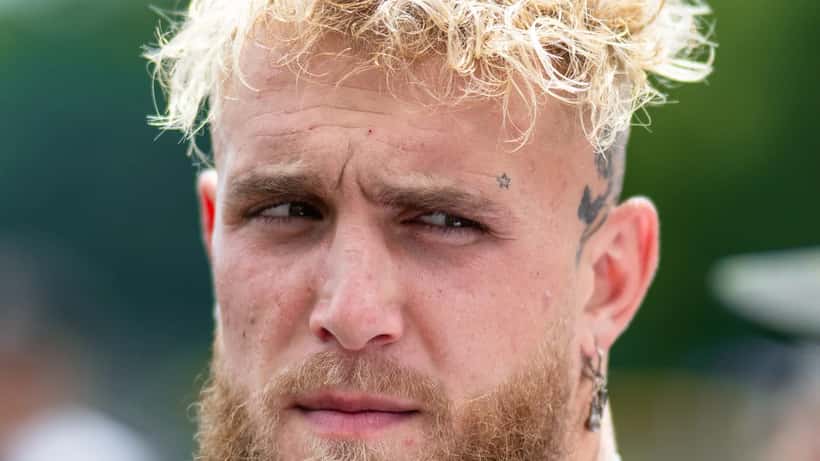
Jake Paul cannot spar. Six months after suffering a double jaw fracture during his knockout loss to Anthony Joshua in December 2025, the 28-year-old content creator turned boxer is still months away from returning to training. On 10 March 2026, Paul confirmed he cannot spar for up to six more months while metal plates in his jaw heal. The Florida Athletic Commission has suspended him indefinitely from professional competition.
For elite fighters, a broken jaw is career-defining news. For the thousands of amateur and recreational boxers across the UK, it should be a wake-up call.
What Paul's Injury Actually Involves
Jake Paul suffered a bilateral mandible fracture — breaks on both sides of his lower jaw — from a single punch by Anthony Joshua. Surgeons inserted metal plates and screws to stabilise the bones. A second surgery was required when the initial repair proved insufficient.
According to data published by the British Journal of Sports Medicine, the jaw (mandible) is one of the most commonly fractured facial bones in contact sports, accounting for roughly 15 to 20 percent of all facial fractures in combat sports.
Recovery time for a serious mandible fracture is typically eight to twelve weeks for basic function, but full return to high-impact sport can take six months or longer — exactly the timeline Paul is experiencing.
Why This Matters for Amateur Boxers
Amateur boxing in the UK has grown significantly. According to England Boxing, over 60,000 people train in registered clubs, and recreational boxing fitness classes attract hundreds of thousands more. Many train without the protective protocols of professional environments.
Here's the problem: amateur fighters often spar without proper medical oversight, without mandatory pre-competition health checks, and without structured rest periods between training sessions that involve contact.
The types of jaw injuries that hospitalise boxers don't only happen at the elite level. They happen in local gyms every week.
The 3 Most Common Boxing Injuries (and Their Real Medical Implications)
1. Mandible (jaw) fractures
As Paul's case illustrates, jaw fractures in boxing can be bilateral and severe. Even a "minor" jaw crack requires immediate imaging. If left untreated or if training resumes too early, non-union fractures can develop — meaning the bone fails to heal correctly and requires more complex surgical intervention.
2. Orbital fractures (around the eye)
A punch to the cheekbone area can fracture the orbital floor — the thin bone beneath the eye. Symptoms include double vision, eye recession into the socket, and numbness below the eye. These injuries are frequently mistaken for bruising and ignored.
3. Concussion and traumatic brain injury (TBI)
The most dangerous category. Repeated subconcussive blows — hits that don't cause visible symptoms — accumulate over time. Research published by the Lancet Neurology in 2024 links cumulative boxing exposure to increased risk of chronic traumatic encephalopathy (CTE), a progressive neurological condition. Unlike a jaw fracture, TBI often has no obvious warning signs until significant damage has occurred.
When Should Amateur Boxers See a Doctor?
Many boxing injuries are undertreated because athletes minimise their symptoms or fear being told to stop training. But early intervention dramatically improves outcomes.
See a sports medicine specialist immediately if you experience:
- Jaw pain, difficulty opening your mouth, or misalignment after a punch
- Persistent headache, confusion, light sensitivity, or memory gaps after head contact
- Visual changes — double vision, blurred vision, or feeling of eye pressure
- Numbness in the face, gums, or lower teeth
- Any symptom that persists more than 24 hours after training
A sports medicine doctor can arrange imaging (CT scans for facial bones, MRI for soft tissue and brain), refer to appropriate specialists, and — critically — advise when it is safe to return to training. Returning too early after head or facial trauma is the leading cause of re-injury and long-term complications.
The Role of a Sports Medicine Expert
Sports medicine is a specialised field that bridges general medicine, orthopaedics, neurology, and rehabilitation. A good sports medicine practitioner does not simply diagnose injuries: they help athletes understand risk levels, design return-to-sport protocols, and make medically sound decisions about continuing to compete.
For recreational boxers, this expertise is rarely accessed — yet it is precisely where the gap between amateur and professional protection lies. Professional fighters like Paul have team doctors, mandatory medical suspensions enforced by commissions, and specialist surgeons on call. Amateur boxers typically have none of this.
Medical disclaimer: This article provides general information about sports injuries and does not substitute for professional medical advice. If you have experienced trauma during sport, consult a qualified doctor or sports medicine specialist.
According to the NHS, a broken jaw almost always requires hospital treatment and should never be self-managed. If in doubt, go to A&E or seek urgent medical review.
Jake Paul's story will play out in public over the coming months. For the amateur boxer sparring at their local gym this weekend, the real lesson isn't about Paul's career — it's about knowing when a punch requires more than ice and rest. Find a sports medicine specialist on Expert Zoom to get professional guidance before returning to training after any significant contact injury.
