 Phoebe Wilson
Italy is baking under its third major heatwave of the summer, and the numbers are alarming. More than 22 cities — from Bolzano in the north to Palermo in Sicily — are under a Level 3 red alert issued by the Italian Health Ministry, the country's highest tier of heat warning. Temperatures reached 40.1°C in Bologna on 29 June 2026, with parts of Sardinia and inland Sicily touching 43°C during the mid-July peak. The World Health Organisation has linked more than 1,300 excess deaths across southern Europe to this heat event since 21 June. For British tourists with Italy bookings this summer, this is not a statistic to file away — it is a medical briefing they may have missed.
Around four million UK nationals visit Italy each year. The vast majority arrive unacclimatised to sustained temperatures above 35°C, and that gap between what the body expects and what it encounters is where the real risk lies. Even healthy, fit adults are not immune when the ambient temperature stays above body temperature for hours and humidity prevents normal sweat evaporation.
What Italy's Red Alert System Actually Means
Italy's Ministry of Health operates a four-tier heat alert framework, from Level 0 (no risk) to Level 3 (red alert), updated daily for 27 cities across the country. A Level 3 designation is not issued for an uncomfortable but manageable heatwave. It signals that conditions pose a risk to the health and life of not only vulnerable groups — elderly residents, young children, people with chronic illness — but of otherwise healthy adults exposed to prolonged high temperatures.
The temperature anomaly recorded across northern and central Italy between 13 and 20 July 2026 was +6°C above the long-term seasonal average, placing this event among the most extreme departures from climatological norms observed in the country this decade. The regional authority of Calabria has already imposed a ban on outdoor labour during peak heat hours (11am to 3pm). Municipalities in Rome, Florence, Naples and Palermo have opened air-conditioned public buildings — libraries, civic halls, shopping centres — as emergency cooling refuges during afternoon peaks. These are not precautionary gestures. They are emergency public health responses.
The UK's Foreign, Commonwealth and Development Office has updated its Italy travel advice to note that "extreme weather events, including heatwaves, can occur during summer months" and advises travellers to follow local authority guidance. What that guidance looks like on the ground — and what tourists should actually do when temperatures hit 40°C — is something most departure boards and booking confirmation emails do not explain.
Why British Tourists Face a Distinct Physiological Risk
The critical factor that elevates risk for UK travellers specifically is the speed of temperature transition. A passenger departing Manchester under 20°C in the morning and landing in Rome at 38°C the same afternoon gives their body no time to begin the acclimatisation process. Physiological adaptation — the gradual increase in plasma volume, sweat rate efficiency and cardiovascular response to heat — takes between seven and fourteen days of graduated exposure. The average UK package holiday to Italy lasts seven nights or fewer. That means many British tourists spend their entire trip in the highest-risk acclimatisation window.
During the first 48 to 72 hours in a hot climate, the body's heat-dissipation mechanisms have not yet reached optimal output. Sweating is less efficient, the heart works harder to redirect blood flow toward the skin for cooling, and dehydration accelerates because fluid losses outpace what most people intuitively think to replace. Add sustained walking on marble and stone that radiates stored heat at street level, and the physiological load becomes significant even for healthy travellers in their thirties.
The progression from heat exhaustion to heat stroke is the critical clinical boundary. Heat exhaustion — heavy sweating, a fast but weak pulse, pale clammy skin, dizziness, nausea and muscle cramps — is unpleasant but manageable with immediate shade, cool water, rest and oral rehydration. Left untreated in a hot environment, it can escalate to heat stroke in as little as 30 to 60 minutes. Heat stroke involves a core body temperature above 40°C, the cessation of sweating (the cooling system has failed), confusion or slurred speech, and potential loss of consciousness. It is a medical emergency with a mortality risk that increases sharply with delay in treatment.
What Actually Happens If You Need Emergency Care: A Rome Scenario
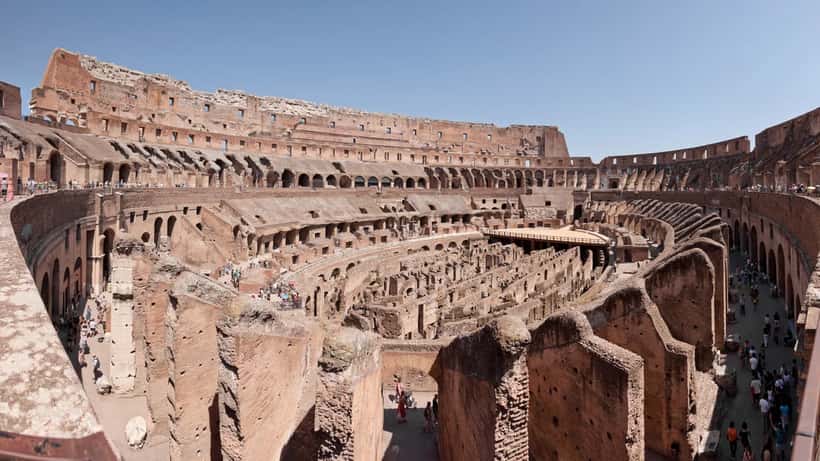
Consider a 45-year-old UK traveller — fit, non-smoking, no pre-existing conditions — on day two of a Rome city break in late July 2026. They spend three hours at the Colosseum during the 11am–2pm heat peak, temperature 39°C, with no shade. They walk back to their hotel, feel tired and slightly dizzy, and assume they need to rest. By 3pm, they have stopped sweating despite the heat, feel confused about where they are, and cannot form coherent sentences. A travel companion calls 118 — Italy's national emergency number — and they are taken to the nearest pronto soccorso.
Here is where the finances become concrete. Without a valid Global Health Insurance Card (GHIC — the post-Brexit replacement for the EHIC, free to apply for via NHS.uk), emergency care at an Italian public hospital as a UK national is chargeable. Inpatient stays typically run between €300 and €500 per day before specialist consultations, diagnostic tests, IV medications or overnight monitoring. A two-night admission for heat stroke — including IV fluid rehydration, cooling therapy, cardiac monitoring and follow-up blood tests — can cost between €900 and €1,500 out of pocket, before any travel insurance claim is processed.
If the traveller holds a current GHIC or valid EHIC (still accepted until expiry), they are entitled to treatment in Italian state healthcare facilities at the same cost as Italian nationals — meaning emergency care and medically necessary treatment is free or heavily subsidised. The GHIC takes approximately one week to arrive and costs nothing to apply for.
The if/then rule every UK Italy traveller should know: if you travel to Italy this summer without a valid GHIC or EHIC, and you require emergency medical treatment during a red alert heatwave, you face potential bills of €900 to €1,500 or more, which travel insurance may not fully cover if your policy's excess clause or "foreseeable event" exclusion applies. Insurers have begun citing the FCDO's extreme heat update for Italy as grounds to review claims filed after that warning was issued. A conversation with a specialist health consultant before departure — particularly for those with any underlying condition — can be the difference between a manageable risk and a preventable crisis.
For context on your broader holiday rights during extreme weather disruptions, including flight and accommodation claims, see our article on Bordeaux Wildfires: What UK Holidaymakers Can Claim.
Symptoms Requiring Immediate Emergency Intervention
The symptoms that mean you must call 118 (or attend the pronto soccorso directly) rather than rest in your hotel room, as outlined in NHS guidance on heat exhaustion and heat stroke:
- Core temperature at or above 40°C
- Cessation of sweating despite intense heat
- Confusion, disorientation or slurred speech
- Loss of consciousness
- Seizures or severe shortness of breath
- Vomiting that prevents adequate fluid intake for more than 30 minutes
Symptoms that can be managed initially without emergency services — but that still warrant medical assessment if they persist beyond two hours — include heavy sweating with dizziness, muscle cramps, nausea, pale clammy skin and a rapid pulse without confusion.
What to Do Before You Fly
Apply for your GHIC now. If you do not hold a valid card, apply via the NHS website before departure. It is free and takes approximately one week. If you hold a pre-Brexit EHIC that has not yet expired, it remains valid in Italy.
Review your travel insurance policy. Check whether your insurer applies a "foreseeable event" exclusion for heatwaves in locations where the FCDO has issued a warning. Policies purchased after the FCDO Italy heat advisory was updated in June 2026 may contain this clause. If in doubt, call your insurer before you fly — not from a hospital bed in Florence.
Time your sightseeing. Outdoor activity between 11am and 6pm on red alert days carries the highest risk for unacclimatised visitors. Rome, Florence and Naples are all liveable before 10am and after 6pm. Cultural sites open early; adjust your itinerary before you travel, not after you arrive dehydrated.
Pack oral rehydration salts. Available at any UK pharmacy, they replace sodium and electrolytes that sweat loss depletes — particularly relevant for the first three days of a hot-weather trip. Water alone is not sufficient fluid replacement under prolonged heat exposure.
Consult a health professional before travelling if you have cardiovascular disease, diabetes, kidney disease, are on diuretics or antipsychotic medication, or are planning travel with elderly relatives or children under 12. All of these groups face elevated heat-related risk. Expert Zoom's Health platform connects you with registered practitioners who can assess your individual situation and provide a tailored pre-travel health plan.
This article provides general health information for UK travellers and does not constitute medical advice. In Italy, call 118 immediately for any suspected case of heat stroke. Always follow guidance from Italian public health authorities during active heat alerts.
