 Lucy Walsh
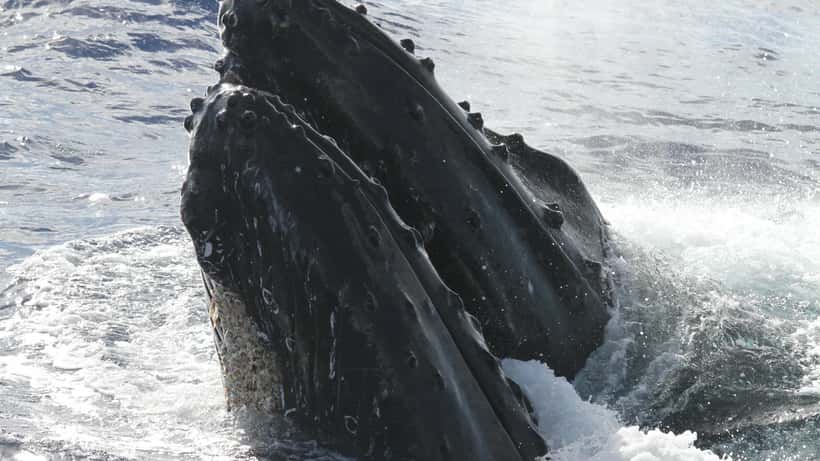
Humpback whale sightings are surging along UK coastlines in 2026 — and a dramatic rescue operation for a stranded whale in northern Europe has put the question on everyone's lips: what exactly should you do if you find one?
Timmy the Whale and the Surge in UK Sightings
On 2 May 2026, a humpback whale that German media had named "Timmy" was finally released into the open North Sea off the Danish coast of Skagen, after a weeks-long rescue effort. The whale had first become stranded on a sandbank near Lübeck on 23 March and repeatedly beached itself despite attempts to guide it back out to sea. Eventually, a specialist barge was used to transport Timmy safely to deeper water — a reminder of how complex marine mammal rescue can be.
The story captured attention across the UK partly because humpback whale sightings in British coastal waters have been rising dramatically. Between late December 2025 and early January 2026, the Isles of Scilly alone recorded 17 separate whale sightings. Deal, Dungeness, Eastbourne, and Hastings have all reported humpbacks in recent months. Marine researchers believe the trend reflects the recovery of humpback populations following decades of commercial whaling bans — with UK waters increasingly on these animals' migration routes.
That is wonderful news for conservation. But it also raises a practical question that most UK residents are entirely unprepared for: if you spot a stranded or distressed whale on a British beach, what are you legally required to do — and what could get you into trouble?
The Law: Humpback Whales Are Strictly Protected in the UK
Under Schedule 5 of the Wildlife and Countryside Act 1981, humpback whales and all cetaceans (whales, dolphins, and porpoises) in UK waters are legally protected. It is a criminal offence to:
- Intentionally kill, injure, or take a protected cetacean
- Deliberately disturb a cetacean in a way that affects its ability to survive, breed, or raise young
- Damage or destroy any structure used by protected species
This means that approaching a stranded whale too closely — even with good intentions — can constitute a legal offence. The maximum penalty is an unlimited fine and up to six months in prison for serious violations.
The law is not designed to punish well-meaning beach walkers. But it does create a clear framework: your first obligation is to report, not to intervene.
What You Should Do If You Find a Stranded Whale in the UK
Step 1: Call the British Divers Marine Life Rescue (BDMLR). Their 24-hour emergency number is the primary point of contact for marine mammal strandings in the UK. BDMLR has trained marine mammal medics nationwide who coordinate with vets, the Maritime and Coastguard Agency, and the RNLI.
Step 2: Keep your distance. Stay at least 100 metres from any whale in the water. On the beach, do not touch, approach, or attempt to refloat the animal without guidance from trained responders. A panicking whale can cause serious injury to bystanders.
Step 3: Do not pour water over the animal without guidance. Although keeping a stranded whale cool and moist is important, pouring water near the blowhole can be fatal. Wait for trained medics to advise you.
Step 4: Record what you see. Note the time, location, the animal's condition, whether it is breathing, and any distinguishing markings. This information is critical for the veterinary team arriving on scene.
Step 5: Report to the Coastguard (999 or VHF Channel 16) if the animal is at sea and in immediate distress. The Maritime and Coastguard Agency coordinates offshore responses.
The Veterinary Challenge of Marine Mammal Rescue
Rescuing a stranded whale is not simply a matter of lifting it back into the water. Marine mammal vets — a highly specialised field — must assess the animal for injuries, dehydration, infection, and pressure sores caused by the animal's weight on land. Humpback whales can weigh up to 30 tonnes; even a short stranding can cause severe internal injury from their own body mass.
Timmy's rescue required weeks of veterinary monitoring, specialist equipment, and international co-ordination. In the UK, the BDMLR trains medics specifically in cetacean first aid, working alongside veterinary surgeons registered with the Royal College of Veterinary Surgeons (RCVS) who have cetacean clinical expertise.
Most general-practice vets will never encounter a stranded whale. But wildlife and exotic animal vets do occasionally get called in when regular BDMLR medics need additional support — a reminder that veterinary expertise spans far beyond cats and dogs.
Why Sightings Are Increasing — and What It Means
The return of humpbacks to UK waters is largely a conservation success story. Commercial whaling was banned in UK waters from 1937, and international protections under the International Whaling Commission (IWC) have allowed populations to recover significantly.
Climate change and shifting prey availability are also playing a role. Humpbacks feed on krill and small fish; as sea temperatures change, prey distributions are shifting northward. UK waters may become increasingly important feeding grounds in coming years.
For coastal communities, this is broadly positive news — whale watching supports local tourism and ecological research. But it does require local awareness of the legal and practical obligations that come with these encounters.
When to Consult a Vet or Animal Welfare Expert
If you own coastal property or operate a tourist business on the UK coast, understanding how to respond correctly to a marine mammal event is increasingly relevant. Organisations that operate boat tours, water sports schools, or coastal wildlife experiences have specific legal obligations not to disturb protected species.
Animal welfare professionals and veterinary consultants can advise tourism and coastal businesses on compliance with the Wildlife and Countryside Act 1981, how to train staff to respond correctly, and what emergency protocols to have in place.
For wildlife charities and rescue organisations, consulting a specialist wildlife vet is essential for building credible response capacity. ExpertZoom connects you with qualified veterinary professionals and animal welfare experts across the UK, including those with experience in wildlife and exotic species.
For UK residents curious about how exotic and unusual wildlife encounters are navigating legal and veterinary frameworks, see our piece on the rise of exotic pets and UK veterinary obligations.
This article is for informational purposes only. In any wildlife emergency, always contact BDMLR or the Maritime and Coastguard Agency first. This does not constitute veterinary or legal advice.
