 Amelia Davies
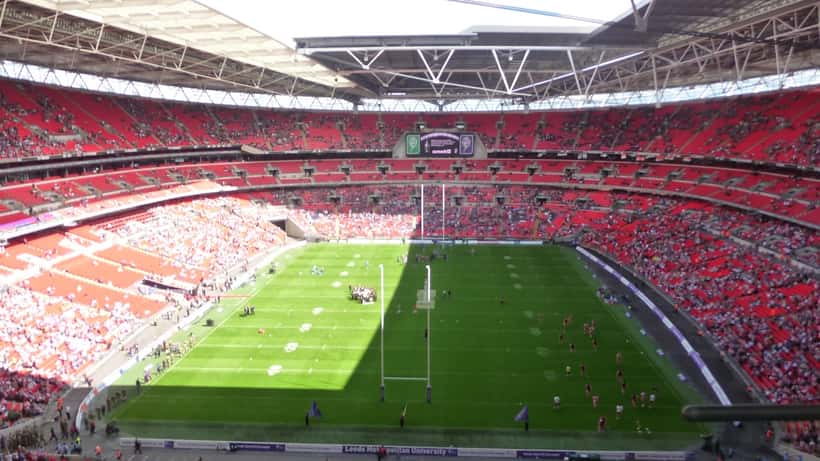
Hull City are back in the Premier League. A stoppage-time winner at Wembley this afternoon sealed a 1-0 victory over Middlesbrough in the EFL Championship play-off final, ending a nine-year absence from the top flight for the Tigers. The city of Hull is celebrating tonight, and the question now dominating social media is simple: who actually owns Hull City FC, and what does this mean for them?
The answer is Acun Ilıcalı, the Turkish media mogul who purchased the club from the Allam family in January 2022. The broadcaster and entrepreneur built a television empire in Turkey and is one of the most recognisable figures in his home country. He paid a reported £30 million for Hull City. Today, that investment has unlocked what Deloitte's Sports Business Group calculates is a revenue uplift of at least £205 million over the next three Premier League seasons — potentially rising to £365 million if the club survives in the top flight.
The Biggest Financial Prize in World Football
Every year, the EFL Championship play-off final is described as the most valuable single match in football. In 2026, it lives up to that billing. The prize is not a trophy or a medal — it is immediate access to the Premier League's broadcasting contract.
Each promoted club receives approximately £80 to £85 million per season in central Premier League distributions from broadcast rights, commercial revenue, and facility fees. That funding begins immediately and continues for three seasons even if the club is immediately relegated, thanks to parachute payment provisions.
For a club the size of Hull City, the financial transformation is difficult to overstate. The Championship's top earners receive around £15 million per season in central distributions. Promotion to the Premier League represents, conservatively, a fivefold increase in broadcast income overnight.
What Does Acun Ilıcalı Control — and What Are His Obligations?
Acun Ilıcalı owns Hull City through his media group, Acun Medya. As a Premier League club owner, he will be subject to considerably more scrutiny from this point forward. The Premier League's Owners' and Directors' Test requires all controlling shareholders to demonstrate their fitness to hold such a position, including checks on source of funds, criminal history, and previous football directorships.
Critically, the Football Governance Act 2024 — which established the Independent Football Regulator — places new financial and operational obligations on Premier League clubs. These include requirements around financial sustainability, transparency of club accounts, and engagement with fan groups. The UK government's football governance framework sets out the legal structure under which the regulator operates.
For Hull City supporters, this regulatory environment is significant. It means the club is no longer simply subject to Premier League rules alone, but to an independent statutory body with the power to impose licence conditions on clubs that fail to meet financial or governance standards.
What Fan Rights Actually Exist in a Newly Promoted Club?
This is where the reality of supporter rights in English football becomes relevant to Hull City's promotion. The question is not merely who owns the club, but what legal and structural protections fans have when a foreign-owned club suddenly accesses Premier League-level revenues.
Under the Football Governance Act 2024, Premier League clubs are required to consult a fan advisory board on certain key decisions. These include changes to the club's badge or home kit colours, significant changes to ticket pricing structures, and proposed stadium relocations. The fan advisory board must be formally constituted and include genuine fan representation.
This is a stronger protection than existed before the Act. However, it is not a veto. Fan advisory boards can recommend, object, and make their views formally known, but the ultimate decision on most commercial matters remains with the club's ownership.
For decisions outside the protected categories, fans at Hull City — like supporters of any Premier League club — have limited direct legal leverage. Ticket price decisions, transfer spending priorities, and the appointment of managers remain entirely within the club's commercial discretion.
The practical protection for supporters comes from a combination of the new regulatory framework, existing Premier League rules on financial fair play, and public pressure. In cases where clubs have made decisions that led to financial mismanagement — such as the administrations that affected smaller clubs in recent years — the Independent Football Regulator now has the power to intervene before a crisis reaches that point.
What Happened to Other Foreign-Owned Clubs After Promotion?
The experiences of foreign-owned clubs in similar positions offer useful context for Hull City supporters. PSG's Qatari owners transformed a mid-ranking club into a European power, but at extraordinary cost and with minimal fan governance. At the lower end of Premier League ambition, some foreign-owned clubs have used promotion revenues conservatively, maintaining financial discipline but frustrating supporters who expected significant reinvestment.
Hull City's recent history under Acun Ilıcalı has been broadly positive from a fan perspective. He has maintained an engaged public profile in the city, invested in the squad, and appeared committed to the project in a way that some foreign owners at other clubs have not.
However, for fans at any club where a foreign national or company holds controlling ownership, the legal reality is that Premier League money belongs to the club's shareholders — and the mechanisms for fans to redirect how that money is spent are limited.
Links to further reading on Hull FC's debt crisis and fan rights and how state-owned clubs operate under financial regulations provide relevant context on how different ownership models affect supporter interests.
What Hull City Fans Can Legitimately Expect — and Demand
In practical terms, Hull City supporters now have legal standing to engage with their club's fan advisory board and to be formally consulted on the protected decisions outlined above. They also have the right to access the club's published accounts once filed at Companies House, which will become considerably more detailed under Premier League requirements.
If you believe your club is making decisions that breach its obligations under the Football Governance Act or Premier League rules, you can raise a formal complaint with the Independent Football Regulator. This is a statutory process, not an appeal to the club's goodwill.
The more immediate reality tonight is one of celebration. Hull City have won promotion through merit, and whatever the financial mechanics, the football result is the story. But understanding who owns your club, and what rights you have in relation to that ownership, matters for the months and years ahead.
If you have questions about fan rights, club ownership disputes, or the legal framework governing Premier League clubs, a solicitor with expertise in sports and entertainment law can provide specific advice tailored to your situation.
