 Alistair Finch
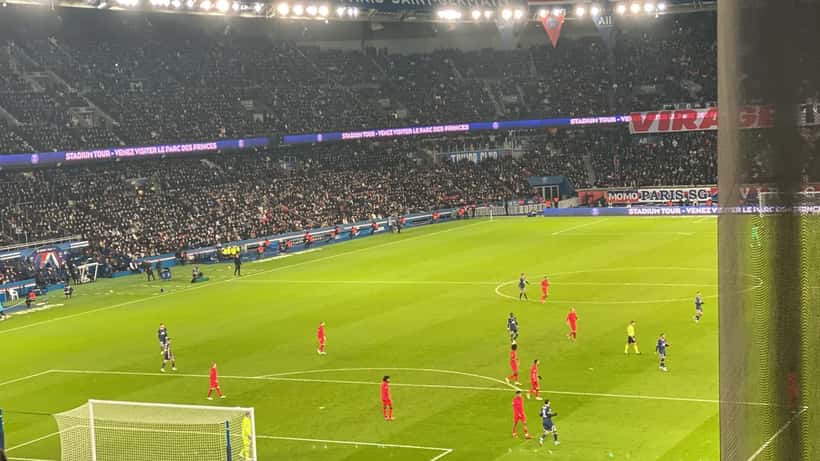
Paris Saint-Germain host Stade Brestois at the Parc des Princes on 10 May 2026, in a Ligue 1 fixture that carries the weight of an extraordinary season. PSG have already secured passage to the UEFA Champions League final against Arsenal on 30 May 2026 in Budapest. But tonight's match against modest Brest shines a light on a legal and financial debate that will outlast both fixtures: how long can a state-backed club operate under rules designed for private ownership?
For UK football fans and investors watching both events closely, the question matters more than ever.
Qatar's Sovereign Wealth and the Club Nobody Can Keep Up With
Paris Saint-Germain is owned by Qatar Sports Investments (QSI), a subsidiary of the Qatar Investment Authority — the Gulf state's sovereign wealth fund, which manages an estimated £330 billion in assets. Since acquiring PSG in 2011 for roughly £50 million, QSI has injected well over £2 billion into transfers and wages, transforming an average Ligue 1 side into a Champions League fixture.
The scale is unlike almost anything else in European football. The Neymar transfer alone, at £200 million in 2017, exceeded what UEFA's Financial Fair Play rules were designed to accommodate. Add Kylian Mbappé's wage package and a succession of marquee signings, and PSG became the test case for whether those rules had any teeth.
For UK observers, the parallel is uncomfortable but familiar. Newcastle United's takeover by Saudi Arabia's Public Investment Fund in 2021 reopened the same questions about sovereign money and competitive fairness. PSG simply got there earlier — and further.
UEFA's Financial Sustainability Rules: What They Require
UEFA's Financial Sustainability Regulations (the updated name for Financial Fair Play) require clubs competing in European competitions to limit losses to €60 million over a rolling three-year period. Clubs can exceed that threshold if owners inject capital as equity rather than loans, but they must demonstrate that excess spending is covered by genuine commercial revenue — not a direct transfer from a state treasury.
According to UEFA's club licensing and financial sustainability framework, clubs in breach face escalating sanctions: fines, squad size restrictions, transfer embargoes, or exclusion from European competition. The rules exist precisely to prevent unlimited state wealth from making the contest unwinnable for clubs like Brest.
Brest, tonight's opponents, have a wage bill roughly 50 times smaller than PSG's. They qualified for the 2024–25 Champions League entirely through sporting merit — finishing second in Ligue 1 behind PSG — and their run to the knockout stages was one of the competition's genuine surprises. Their presence in tonight's end-of-season fixture is a reminder that the competition still produces organic success stories, even if only one side in this match has access to sovereign wealth.
PSG's Settlement History: Fines, Conditions, and Ongoing Scrutiny
PSG has not avoided scrutiny. In August 2022, UEFA's Independent Club Financial Control Body (ICFCB) reached a formal settlement with the club, requiring a €60 million fine and strict break-even compliance targets for the following three seasons. Crucially, the settlement did not clear PSG — it imposed conditions.
A sports law expert explained the significance: "UEFA retained the right to reopen the investigation if PSG missed its financial targets. Any UK investor looking at the club's financial statements should understand that those conditions are still legally active."
As of May 2026, PSG's financial position has improved materially. Mbappé's departure to Real Madrid in 2024 reduced the annual wage bill by an estimated £60 million, and new commercial deals — including a reported £75 million per year shirt sponsorship — have strengthened the revenue side of the balance sheet. Whether this fully satisfies UEFA's break-even requirements will be confirmed in the coming months.
The Arsenal Final: What Two Ownership Models Tell UK Fans
The Champions League final on 30 May 2026 pits two contrasting financial models against each other. Arsenal, majority-owned by American billionaire Stan Kroenke through Kroenke Sports & Entertainment, operates on commercial revenue and prize money. PSG operates with the backing of a sovereign wealth fund with no realistic upper limit.
For UK sports lawyers and financial advisors, the match raises specific legal questions. If UEFA's financial monitoring process results in sanctions against PSG — even post-final — it could affect broadcast rights agreements, sponsor contract obligations, and potentially the validity of final ticket purchases made through secondary markets. If you hold Arsenal shares through a fan bond or have purchased final tickets from a third-party reseller, understanding your legal and consumer rights matters.
An expert at ExpertZoom who specialises in sports finance noted: "State ownership creates a unique liability profile for clubs. If regulations tighten — as they may following a high-profile final — clubs that rely on sovereign capital could face rapid changes in their valuation and compliance status. That is a material risk for any wealth manager with client exposure to football assets." For those looking to understand their financial exposure, our earlier guide on Ligue 1 broadcasting rights and UK streaming covers some of the related consumer rights landscape.
Practical Situations Where You May Need Expert Advice
The PSG story is not abstract for UK residents. Several concrete situations can arise from following state-owned clubs in European competition:
- Ticket consumer rights: If you purchased Champions League final tickets through a secondary platform and the match is disrupted, a consumer law solicitor can advise on refund rights under the Consumer Rights Act 2015.
- Sports betting disputes: UK bookmakers regulated by the Gambling Commission must honour legitimate bets. If a bookmaker refuses to pay out on a PSG-related bet, a legal advisor can help you navigate UKGC formal complaint procedures.
- Investment in football clubs or fan tokens: PSG and other state-backed clubs have issued digital fan tokens and club bonds marketed to retail investors. The FCA classifies most such products as high-risk. A qualified wealth manager can assess whether these assets belong in your portfolio.
- Employment in sports broadcasting: If you work for a broadcaster or sponsor with contracts tied to PSG's European participation, an employment lawyer can advise on contract protections if regulatory sanctions affect their rights.
ExpertZoom connects UK residents with qualified legal, financial, and specialist advisors who understand the sports sector and can offer regulated professional guidance.
The Match That Points Beyond Itself
Tonight at the Parc des Princes, PSG and Brest will play a football match. The result will settle a Ligue 1 table and send one set of fans home satisfied. But the financial and legal story that this fixture represents — state wealth, UEFA compliance, and what fairness looks like in modern European football — will continue long after the final whistle on 30 May.
Whether you are a fan, a bettor, an investor, or an employer in the sports industry, the legal and financial landscape around state-owned clubs in European football is one worth understanding. A specialist can help you navigate it.
This article provides general information only and does not constitute legal or financial advice. If you are affected by any of the issues discussed, please consult a qualified professional.
