 Imogen Bennett
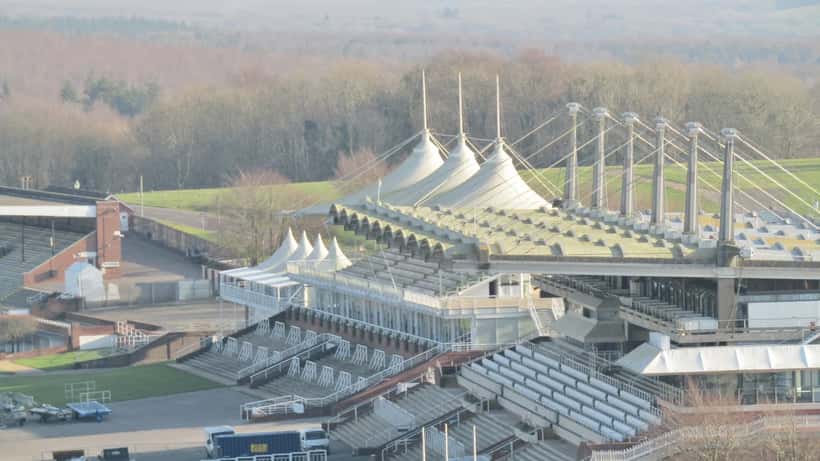
Bow Echo delivered one of the season's most electrifying performances at Goodwood Racecourse on Wednesday 29 July 2026, winning the Sussex Stakes in a race now worth £1.5 million in prize money — a 50% increase on its previous value. As an estimated 150,000 spectators fill the West Sussex downs across the five-day Glorious Goodwood festival, a quieter story is unfolding in the hospitality tents: more ordinary people than ever are not just watching racehorses, they are co-owning them.
Racehorse syndicates — where a group of individuals club together to share the costs and rewards of owning a horse — have grown rapidly in the UK over the past decade. But as Goodwood 2026 throws the sport back into the national spotlight, wealth professionals are raising a consistent question: is this lifestyle investment actually a financial one at all?
The Numbers Behind Glorious Goodwood 2026
This year's edition of Glorious Goodwood runs from 28 July to 1 August 2026 and features 39 races spread across five days. The headline figures are eye-catching. The Sussex Stakes, won by Bow Echo this week, now carries a total prize fund of £1.5 million, making it one of the most valuable flat races in Britain. Tuesday's Goodwood Cup, captured by Scandinavia, distributes £500,000 to connections — meaning trainers, owners, and their syndicates.
The Goodwood Racehorse Owners' Group (GROG), the course's own syndicate scheme, currently offers entry shares at £1,750 for a two-year stake — a fixed price that covers all ongoing training and racing fees. By the British Horseracing Authority's own guidelines, syndicates of up to 20 members may co-own a horse under a single registered ownership entity, with prize money distributed proportionally to each share.
On paper, the prize money at the top end is transformative. A 10% stake in Bow Echo's Goodwood entry would translate to £75,000 from the Sussex Stakes win alone. In practice, however, the race to find a horse capable of running at Group 1 level — let alone winning — is where the financial reality diverges sharply from the dream.
What Syndicate Ownership Actually Costs
The Racehorse Owners' Association publishes annual data on the cost of keeping a horse in training. For a flat racehorse, the average annual cost sits at approximately £22,595. For jump horses, the figure is lower at around £16,325 per year. These figures do not include the purchase price of the horse itself, transport, vets' bills beyond standard training fees, or entry fees for individual races.
In a syndicate of 10 members, that annual cost equates to roughly £2,260 per person per year for a flat horse — before the purchase price is split. Entry-level syndicate shares are available from as little as £25 through platforms such as RaceShare and RacingClub, where the horse value is lower and the pool of owners larger. Mid-tier syndicates, typically offering a 5–10% stake in a horse valued between £50,000 and £150,000, usually ask for a buy-in of £3,000 to £15,000 plus monthly contributions of £150 to £300.
Prize money at the lower levels of British racing — where the majority of syndicate horses compete — is dramatically less than Goodwood's headline figures suggest. A typical Class 5 or Class 6 handicap on a weekday card pays between £3,000 and £6,000 to the winner. A 10% share of that return is £300 to £600. Against monthly running costs of £150 to £300, the maths rarely adds up in a purely financial sense.
Concrete Case: What a £5,000 Entry Stake Actually Returns
Take a realistic scenario that matches where most syndicate entrants find themselves in 2026. You join a syndicate of eight people buying into a three-year-old flat horse, valued at £40,000, trained by a licensed yard in Newmarket. Your 12.5% share costs £5,000 as a one-off buy-in, plus a monthly contribution of £230 to cover your portion of training fees (£22,595 ÷ 8 = £2,824 per year, or £235 per month).
Over 18 months — a typical syndicating period before the horse is sold, retrained for another discipline, or retired — your total outlay is: £5,000 (buy-in) + £4,230 (18 months × £235) = £9,230.
Now the return side: if the horse runs six times and wins twice at Class 4 level (prize money of approximately £7,000 per win), total prize money earned is £14,000. Your 12.5% share equals £1,750 in prize money received.
If the horse is sold after 18 months — common for flat horses moving into breeding or amateur racing — resale value on a horse with two wins might be £28,000 to £35,000. Your 12.5% share of a £30,000 resale is £3,750.
Total return: £1,750 (prize money) + £3,750 (resale) = £5,500. Against a total outlay of £9,230, that represents a net loss of £3,730 — or roughly £207 per month for the experience of racehorse ownership.
The picture changes substantially if the horse significantly appreciates in value or competes at Listed or Group level. But for every Bow Echo, there are hundreds of horses that race competitively at lower levels and are sold at a modest valuation. A wealth manager's assessment of this scenario is straightforward: this is a leisure expenditure, not a capital investment.
What a Wealth Professional Would Tell You About Racehorse Syndicates
Wealth managers who advise clients on alternative assets — including those with interests in bloodstock — draw a clear distinction between ownership economics and participation economics. The former asks whether you will make money; the latter asks what the experience is worth to you and whether the tax treatment adds any genuine advantage.
In the UK, horse racing syndicates do not qualify as trading businesses for tax purposes unless the owner can demonstrate commercial intent and a reasonable expectation of profit — a threshold that HMRC treats with scepticism given the statistical likelihood of turning a profit from racing alone. Losses from syndicate ownership are therefore generally not deductible against income tax.
There are, however, legitimate tax considerations around VAT registration for owners who race commercially, and some structures — particularly partnerships or limited liability syndicates managed by licensed agents — may have implications for inheritance tax planning if set up correctly. These are scenarios where professional advice makes a genuine financial difference, which is why Glorious Goodwood's timing is not accidental for wealth advisers.
The point that frequently gets lost in the excitement of a Goodwood winner's enclosure is that the Racehorse Syndicates Association regulates member syndicates and requires that all financial projections be presented clearly to prospective buyers before purchase. As elite horse racing wealth management advice highlights, even the most successful trainers operate within a market where prize money covers only a fraction of total expenditure for the majority of horses in active training. Investors who sign up without reading those documents — or without independent advice — often discover the true cost only after their first training bill arrives.
What to Do Before You Join a Syndicate
If Glorious Goodwood 2026 has sparked a genuine interest in racehorse ownership, wealth professionals consistently recommend the same set of steps before committing funds. First, establish whether your motivation is primarily financial or experiential — the structures you choose will differ accordingly. Second, verify that any syndicate you consider is registered with the British Horseracing Authority and, ideally, affiliated with the Racehorse Syndicates Association. Third, obtain a full written breakdown of the cost-sharing model, the exit mechanism if you need to sell your share, and the conditions under which the horse is retired or moved to a new owner.
The genuine excitement of seeing a horse you part-own compete at a festival like Goodwood — or even at a regional midweek card — is real and frequently described by syndicate members as worth the cost in pure experience terms. But that is a very different calculation from expecting a financial return. A wealth management specialist can help you model both scenarios accurately, understand the tax position of any structure you are considering, and assess whether a syndicate fits within your broader asset allocation without overcommitting disposable capital.
Glorious Goodwood may be the most glamorous backdrop in British racing. But the financial decisions it inspires deserve the same rigour as any other investment in your portfolio — and a conversation with a qualified adviser before you sign anything is the most reliable starting point.
This article contains general financial information and should not be construed as personalised financial or tax advice. Consult a qualified wealth management professional before making investment decisions.
