 Sophie Robinson
Gibbs-White Dropped for World Cup 2026: 3 Legal Questions His Snub Raises
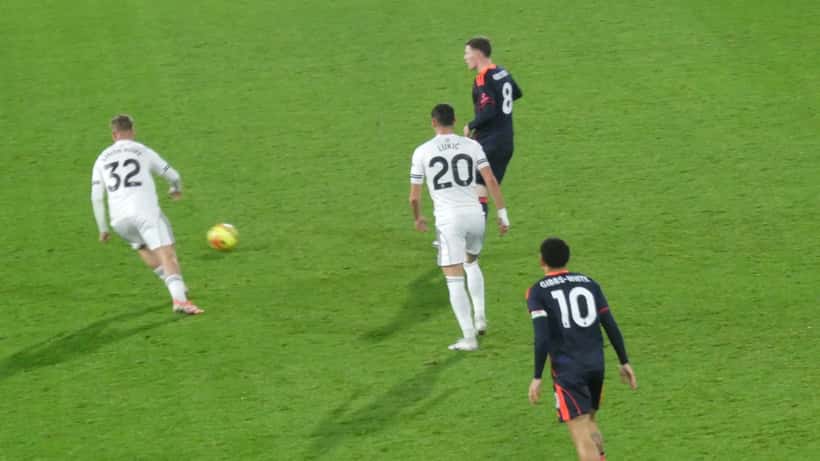
Morgan Gibbs-White will not be going to the World Cup. Thomas Tuchel's England squad for the 2026 tournament, confirmed on 24 May 2026, excludes Nottingham Forest's captain despite a season in which he scored and assisted 24 times in all competitions — among the highest returns by any English player in the Premier League this term.
The decision has been met with widespread criticism. Glenn Hoddle publicly backed Gibbs-White's case for inclusion. Tuchel instead selected Noni Madueke, who registered three goal contributions, and Ivan Toney, currently playing in Saudi Arabia. The contrast in output is stark. For legal and employment professionals who specialise in sport, the episode raises questions that extend well beyond squad selection aesthetics.
Can a Player Challenge National Team Selection?
The short answer, under current UK employment law, is no. International football selection is governed not by employment legislation but by the rules of football's governing bodies — FIFA at the international level, and The FA domestically. Selection decisions are treated as matters of sporting judgement, not employment decisions subject to challenge under the Employment Rights Act 1996.
Professional footballers in England are employees of their clubs, not of The FA or the national team. The contractual relationship that provides employment rights — notice, unfair dismissal protections, discrimination law — exists between a player and their club, not between a player and a national association.
This distinction is critical. Gibbs-White cannot bring a claim against The FA for non-selection, however commercially or statistically unjustifiable that decision may appear. The discretion of a national manager is, at law, absolute within the framework of the relevant governing body's rules.
When Does Discrimination Law Apply to Sport?
The Equality Act 2010 prohibits discrimination in employment on protected grounds including race, sex, disability, age, religion and belief, and sexual orientation. These protections apply to professional footballers in their club employment. However, applying discrimination law to national team selection presents a much higher threshold.
National associations are permitted to select players on sporting criteria. A claim would only potentially succeed if a protected characteristic — rather than a coaching judgment — could be demonstrated to be the operative reason for exclusion. Proving this, in practice, requires evidence that goes far beyond statistical output.
Legal commentary from sports law specialists consistently notes that the practical barriers to any such challenge are substantial. Courts and tribunals have historically been reluctant to second-guess sporting selection decisions, absent clear evidence of discriminatory intent.
Image Rights and Commercial Losses: A Separate Legal Question
Where a player's exclusion from a major tournament does have potential legal traction is in its commercial impact. A World Cup generates enormous commercial opportunity — brand partnerships, endorsements, licensing deals, and international profile — that club football alone cannot replicate.
A player of Gibbs-White's standing would, had he been selected, have accessed commercial opportunities through the World Cup period that are now foreclosed. Whether any such commercial losses are recoverable depends entirely on contractual arrangements.
If a player has an image rights company, agency agreements, or endorsement contracts that specifically reference international appearances or major tournament inclusion as triggers for additional fees or bonuses, the legal picture becomes more complex. Those agreements may have provisions that address the consequences of non-selection. A sports lawyer can review specific contractual arrangements to identify whether any third-party agreements create a recoverable position.
The Employment Rights Gibbs-White Does Have
While international selection sits outside employment law's reach, Gibbs-White retains the full suite of employment protections in his relationship with Nottingham Forest. These include:
- Protection against unfair dismissal without due process
- Rights under his club contract, including salary, bonuses, and image rights provisions specific to club activities
- Protection under the Equality Act in respect of his treatment by Forest as an employer
With Gibbs-White publicly expressing his attachment to the Forest captaincy — stating in May 2026 that leading out the team "is a really special feeling" — the more relevant legal context is the renewal of his club contract rather than any challenge to Tuchel's selection.
For professional athletes, understanding what employment protections they have — and where those protections end — is a practical necessity. Sports employment contracts and their limits have been tested across football in 2026, with transfer disputes increasingly involving sophisticated contractual arguments.
What This Means for Other Aspiring England Players
The Gibbs-White case illustrates a structural issue in professional football: players can have extraordinary seasons, attract high commercial value, and demonstrate peak form — and still have no legal mechanism to challenge the consequences of a managerial decision they believe is wrong.
The practical implication for any professional footballer is clear: your employment rights sit at club level, and your contractual protection lies in the agreements your agent and lawyer negotiated when you signed. For players at all levels considering or renegotiating contracts, the lesson is to ensure those agreements address as many contingencies as possible.
You can access specialist sports employment advice — including review of player contracts and image rights agreements — through ExpertZoom's legal expert network, where qualified professionals can review your specific situation.
Full details on employment rights and status in the UK are available at GOV.UK's employment status guide.
If you are a professional athlete or sports professional seeking legal advice on your contracts, rights, or commercial agreements, ExpertZoom connects you with qualified specialists who understand the unique legal landscape of professional sport.
This article is for informational purposes only and does not constitute legal advice. Consult a qualified legal professional for advice specific to your situation.
