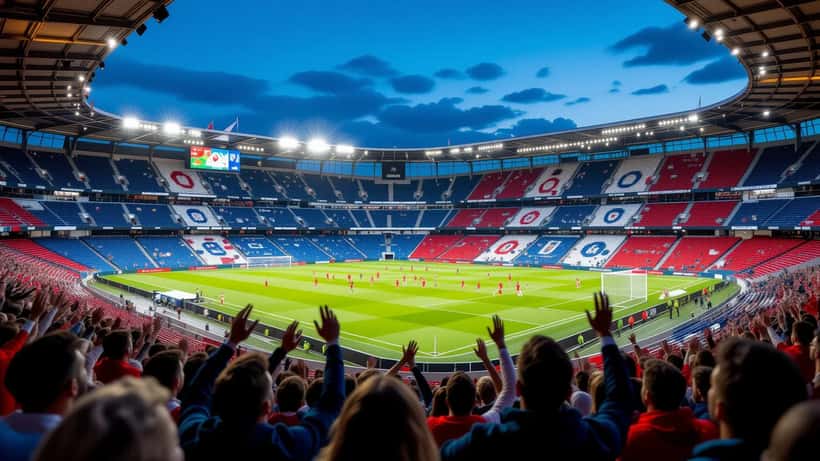
When France and Spain meet on a football pitch in 2026, the fixture is never just another international friendly or qualifying tie. It is a collision of two proud football cultures, a contest that mixes technical flair with physical intensity, and a game that routinely shapes the narrative of a tournament cycle. With the 2026 World Cup on the horizon and both nations restructuring around a new generation of talent, their next encounter carries more weight than a simple scoreline. It also sits within a broader season of high-profile previews, from a Uruguay vs Spain 2026 expert preview to early World Cup winners 2026 predictions.
The rivalry has evolved over the decades. France’s golden generations, from the Platini era to the 1998 World Cup winners and the 2018 champions, have often defined themselves against Spanish possession football. Spain, meanwhile, has used meetings with Les Bleus as a measure of its own progress, from the tiki-taka dominance of 2008-2012 to the current transition led by younger midfielders and direct wingers. Each match becomes a referendum on style, identity and the health of two of Europe’s richest talent pipelines.
In 2026 the context is unusually open. France is balancing the final years of several veteran leaders with the emergence of players who grew up watching the 2018 triumph. Spain is integrating a wave of under-21 graduates who are already starting for major clubs. The result is a fixture where experience and youthful ambition are likely to sit side by side, and where small tactical decisions could decide a game between evenly matched squads.
From an expert perspective, the most interesting questions are not simply who will win, but why the match matters to fans, broadcasters and the wider sport economy. France vs Spain is a high-attention event. It drives search traffic, shapes betting markets, influences merchandise demand and triggers debate on social platforms. For brands and content creators, it is also a moment when audiences are actively looking for authoritative analysis rather than raw opinion.
That is where specialist insight becomes valuable. A tactical analyst can explain how Spain’s build-up patterns expose France’s pressing structure. A sports lawyer can clarify image-rights disputes when player footage is reused by unofficial accounts. A travel expert can advise fans on visa, transport and accommodation logistics for the 2026 tournament in North America. Even consumer-electronics specialists can help supporters choose the right streaming setup or mobile plan to follow the match abroad. The fixture creates demand across many professional domains at once.
The recent history of the rivalry offers clues. Spain’s controlled possession has often forced France to defend deep and attack in transitions, a pattern that suits France’s pace on the counter. France’s physicality, especially in wide areas, has tested Spain’s ability to defend set pieces and crosses. Coaches on both sides will study those previous meetings, but the 2026 squads are different enough that historical patterns may not repeat exactly.
One factor likely to shape the contest is form and fitness in the months before kick-off. Long club seasons, domestic cup runs and European competition can leave key players fatigued or injured. Recovery timelines matter, as shown by analysis of Gavi at WC2026 and the uncertainty around ACL comebacks. The 2026 calendar is especially demanding because it leads directly into a World Cup expanded to 48 teams. Squad rotation, minutes management and medical preparation will all influence which stars are available and at what level. Fans watching from home should remember that the line-up announced on Thursday may look very different from the one that takes the field after warm-ups.
Tournament expansion also changes the stakes. With more places available, both France and Spain are expected to qualify, so their head-to-head meetings may be less about survival and more about seeding, momentum and psychological advantage. A win in 2026 could determine whether a team enters the World Cup as a top seed, potentially reshaping the knockout path. Coaches often play down such calculations in public, but analysts treat them as central to any serious preview.
For spectators, the match is also a lesson in how quickly football narratives shift. A single goal, a disputed penalty or a controversial substitution can rewrite the story of a rivalry for months. That volatility is part of what makes France vs Spain compelling, but it also explains why expert commentary matters. Quick, informed context helps audiences separate meaningful trends from noise.
Broadcasters and publishers covering the game face their own challenge. Search interest spikes just before kick-off and again at full time, when fans look for highlights, reactions and expert takes. Content that is published late, poorly structured or lacking credible sources tends to be buried. Articles that combine real-time insight with durable background information perform better both immediately and in the long tail after the final whistle.
The same principle applies to businesses that want to engage football audiences. A well-timed expert guide, whether on match-day logistics, player fitness or fan merchandise, can capture attention that would otherwise go to generic social posts. The key is to anchor the content in genuine expertise rather than riding the trend with shallow commentary. Audiences in 2026 are quick to spot content that is simply keyword-stuffing a popular fixture.
Looking ahead, the France vs Spain rivalry is likely to remain a fixture that defines European football for the rest of the decade. Both federations invest heavily in youth development, both have large domestic leagues that attract global talent, and both have fanbases that expect success. Their meetings will continue to serve as a benchmark for progress and a source of memorable moments.
For anyone planning content, travel or commercial activity around the game, the advice is straightforward: prepare early, rely on verified expertise, and treat the match as part of a longer narrative rather than a one-day event. France vs Spain in 2026 is not just about who scores the winning goal. It is about how a continent watches, interprets and responds to one of football’s most enduring rivalries.
