 Sophia Hamilton
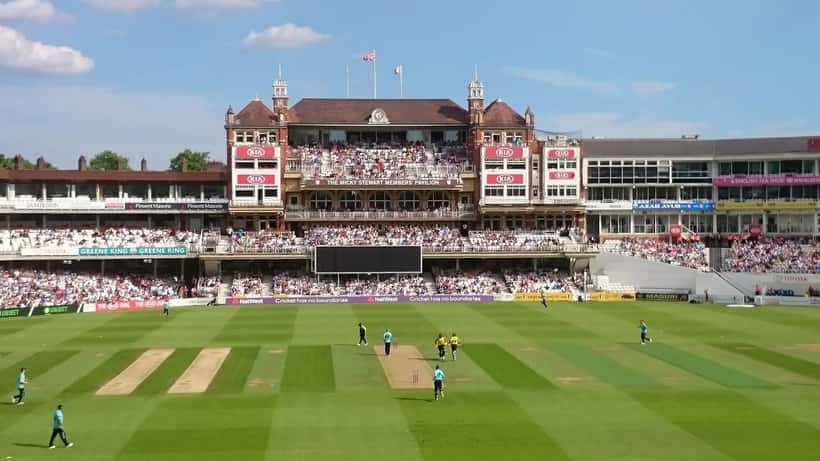
With the ODI series locked at one win apiece, England and Sri Lanka face a winner-takes-all third and final ODI at The Oval on 27 September 2026 — and millions of pounds in UK sports bets are riding on the outcome. Beyond the cricket, this decider arrives at the most turbulent moment for UK betting regulation in a decade, leaving thousands of punters asking: what are my actual legal rights if something goes wrong with my bet?
How Sri Lanka Turned the Series Upside Down
England entered the three-match series as heavy favourites, but the second ODI at Headingley rewrote the narrative entirely. Defending a total of 322, Sri Lanka's spinners — led by Dunith Wellalage and Sachindu Colombage — dismissed England for 306, handing the touring side a 16-run victory that few betting markets anticipated. According to Cricinfo's match report from 24 September, it was Wellalage's decisive seven-over spell that broke England's middle order in the final fifteen overs, collapsing a chase that had looked well within reach.
The unexpected swing in momentum mid-innings triggered a wave of in-play market suspensions. Multiple operators cited "data integrity concerns" during the closing overs — a move that left thousands of UK punters holding open bets with no settlement and no clear explanation. It is precisely this pattern of dispute that the UK Gambling Commission has been targeting in 2026.
Why the 3rd ODI Is More Than a Cricket Match
The decider at The Oval is not simply a sporting contest. It lands in the middle of a major regulatory standoff between the UK Gambling Commission (UKGC) and the country's largest bookmakers — a dispute that directly affects the rights of ordinary bettors today.
In May 2026, Britain's biggest operators collectively threatened legal action against the UKGC over proposed new affordability checks, which require bookmakers to verify a customer's financial circumstances before accepting large wagers. The checks have been phased in throughout 2026, and their implementation has been uneven: some operators are applying them aggressively, freezing accounts and delaying payouts; others have challenged them in internal reviews and dragged their heels on compliance.
For the bettor placing a match-winner bet on today's ODI, this regulatory instability creates a practical risk: even a straightforward, legitimate winning bet can get caught in an affordability review — and without knowing your rights, you may not realise you are being strung along.
According to the House of Commons Library research briefing on gambling regulation in Great Britain, licensed bookmakers are legally required to process payouts within a specified window, provide written reasons if a bet is voided, and accept escalation of disputes to independent adjudication bodies.
Your Four Core Rights as a UK Cricket Bettor
The right to a clear written explanation if your bet is voided. Bookmakers cannot cancel a bet without providing specific, documented grounds. Under the Consumer Rights Act 2015, any term that allows an operator to void a bet "at its sole discretion" — without a defined reason — is likely to be treated as an unfair contract term and therefore unenforceable. Following Paddy Power Betfair's £2 million fine by the UKGC earlier in 2026 for social responsibility failures, regulators have made clear that discretionary voiding is under heightened scrutiny.
The right to escalate to IBAS free of charge. The Independent Betting Adjudication Service handles disputes between UK bettors and licensed operators. If your bookmaker refuses a payout and you believe the refusal is unjustified, you can file a complaint directly with IBAS — no solicitor required, no fee at the initial stage. IBAS decisions are binding on operators who have agreed to participate in the scheme, which includes all major UK-licensed bookmakers.
The right to challenge an indefinite affordability-check delay. The UKGC's 2026 guidance specifies that once a bettor submits the requested financial documentation, the operator has a maximum of five working days to either process the payout or issue a formal written decision explaining why the account remains under review. Using affordability checks as an indefinite holding mechanism — accepting documentation but neither paying out nor communicating a decision — is a specific form of misconduct the UKGC has flagged for enforcement action.
The right to take legal action if IBAS rules against you. IBAS is a dispute resolution service, not a court, and its decisions are not legally binding on bettors who disagree with the outcome. You retain the full right to pursue a claim through the county court or to instruct a solicitor specialising in consumer and gambling law if you believe IBAS has ruled incorrectly.
A Concrete Scenario: When the 3rd ODI Bet Goes Sideways
Consider a bettor who placed a £400 accumulator before the series began: Sri Lanka to win the 2nd ODI (priced at 3/1) and England to win the 3rd ODI (priced at 4/7). After Sri Lanka's Headingley upset, the first leg settles in the bettor's favour — triggering a potential return of £1,600 if England win today. But within 24 hours of the settlement, the bookmaker places the account under an affordability review and freezes all funds.
Under the 2026 UKGC framework, the operator's move is not inherently unlawful — affordability checks on large winnings are permitted. But the timeline matters critically.
The if/then logic: If the bookmaker freezes the account but fails to send a formal, written affordability request within 48 hours of the freeze → the bettor has grounds for an immediate formal complaint to the UKGC. If the bettor then submits the requested documents and the operator does not respond within five working days → the bookmaker is in breach of the UKGC's processing-time requirements. A payout delayed beyond this window can be pursued through IBAS for both the outstanding amount and any interest accrued during the unlawful freeze. For amounts under £10,000, small claims court is a further option that requires no legal representation.
This scenario played out for hundreds of bettors during the Headingley match. Legal advisers at ExpertZoom have already seen a marked uptick in cricket-related betting disputes since the second ODI — and with today's decider carrying even higher stakes, the number is expected to grow.
For further reading on how similar disputes were handled for UK fans during other major cricket series, the article on India vs Afghanistan 1st ODI 2026 and UK bettor legal rights outlines comparable cases and their outcomes.
When IBAS Is Not Enough: Three Situations That Require a Solicitor
For most betting disputes — a voided in-play market, a delayed accumulator payout, a refused settlement — IBAS is the correct first step and resolves the majority of cases without any legal fees. A solicitor becomes necessary in three specific situations:
Disputes over £10,000. Small claims court has a ceiling of £10,000. For larger disputes, county court proceedings are required — a gambling law solicitor helps you structure the claim correctly, identify the right cause of action, and navigate the costs risk that comes with higher-value litigation.
Systematic account restrictions following winning runs. If your account has been repeatedly limited, had maximum bet sizes reduced to near-zero, or been closed entirely after a sustained profitable period, you may have a claim under consumer protection law. The practice — known in the industry as "guernicking" — is not straightforwardly illegal, but it can engage unfair contract terms protections in specific circumstances that a legal expert can evaluate.
Bookmaker insolvency or licence revocation. In the event an operator loses its UKGC licence or enters administration, your funds held in a customer account are at risk. Whether they are protected depends on the operator's segregation arrangements — which vary significantly across the market. A gambling law specialist can advise on the steps available to recover deposits and pending payouts.
What to Do Before You Place Your Bet Today
Whether you're backing England to seal the series at home or Sri Lanka to complete one of their most memorable touring victories, three practical steps will put you in the strongest position if a dispute arises.
Keep a screenshot of your bet confirmation, including the stated odds and terms at the time of placement. Save any communications from your bookmaker about affordability checks, market suspensions, or account restrictions. And if you receive a payout refusal or an unexplained delay of more than 48 hours, submit a formal written complaint to your bookmaker immediately — this starts the clock on IBAS's escalation timeline and creates a documented paper trail.
If you are unsure whether you have a viable dispute, or if the amounts involved are significant, an initial consultation with a gambling law solicitor through ExpertZoom can give you a clear assessment of your options — usually within 24 hours and, for straightforward cases, at no cost.
This article is for informational purposes only and does not constitute legal advice. Individual circumstances vary; consult a qualified solicitor for advice specific to your situation.
