 Charlotte Hughes
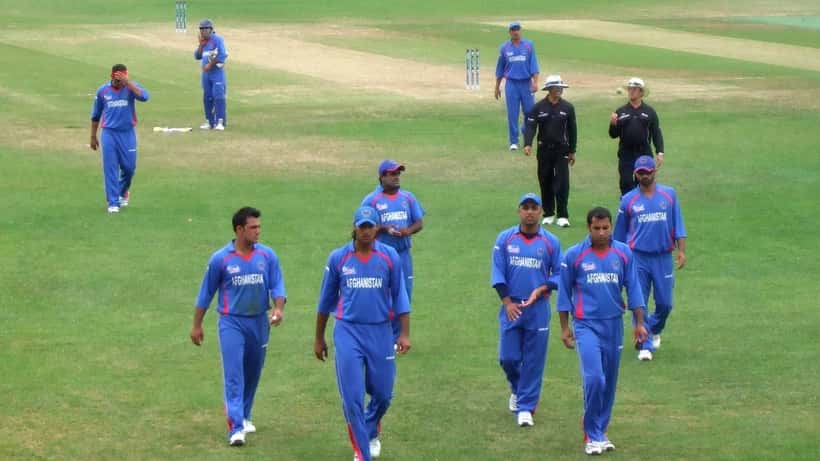
The first ball of the India vs Afghanistan 1st ODI was bowled at Dharamsala's HPCA Stadium on 13 June 2026, marking the opening fixture of Afghanistan's full tour of India this summer. For cricket fans across the United Kingdom, this series is compelling viewing — the rise of Afghan cricket from associate minnow to international force is one of the sport's great modern stories.
But away from the television screens, county cricket directors of cricket are watching with a different kind of intensity. With several Afghan players commanding serious interest in the county game — from Rashid Khan's leg-spin to the emerging batting talent of Rahmanullah Gurbaz — a question is pressing: can we sign them this season, and what are the legal risks?
The Afghanistan Cricket Board's new policies in 2026, combined with the UK's visa requirements, have created a patchwork of legal obligations that county clubs ignore at their peril. Here are three questions every recruitment officer should be asking a sports solicitor before any contract is signed.
1. Does the Player Have a Valid NOC — and Does It Cover the Right Period?
The Afghanistan Cricket Board (ACB) requires players to obtain a No Objection Certificate (NOC) before participating in any overseas league, and the board has demonstrated it will enforce this rule. In 2026, several Afghan cricketers were handed bans for playing in an Indian T20 league without board clearance, according to CREX Cricket News.
For UK county clubs, this means that the existence of an NOC is not just bureaucratic box-ticking — it is a legal prerequisite. An Afghan cricketer who arrives in England without a valid, properly dated NOC that explicitly covers the county cricket season (April to September) is technically in breach of his contractual obligations to the ACB.
If the ACB decides to revoke or not renew the NOC mid-season, the county loses the player, almost certainly with no recourse. The player's contract with the board typically outranks his county deal, and clubs that have not included protective break clauses in their agreements can find themselves exposed.
A sports solicitor will scrutinise the exact wording of the NOC, confirm the dates of coverage, and advise on what contractual safeguards the club should build in before paying any signing fee.
2. Has the Player Already Used Two of His Three Allowed Leagues?
In 2026, the ACB formally approved a policy limiting Afghan players to featuring in a maximum of three international T20 leagues per year, according to ESPNcricinfo. This cap was introduced to manage player workload and to ensure players are available for Afghanistan's growing international schedule, including this India tour.
For county clubs, the implication is straightforward but easily missed: a player who has already participated in two leagues before the English season opens — perhaps the BPL in Bangladesh and the SA20 in South Africa — can only take one more overseas assignment. If that assignment is the English county season, there is no legal problem. But if he then accepts an invitation to a third franchise league mid-season, the county could find him released or suspended by the ACB without warning.
Clubs must ask — and document the answer — exactly how many leagues the player has already committed to for the 2026 season before any deal is finalised. Getting this wrong can derail a season and trigger complex contractual disputes between the player, the county, and the ACB.
3. Is the UK International Sportsperson Visa in Place?
Beyond the ACB's internal governance, Afghan players cannot legally work as professional cricketers in England without a UK International Sportsperson visa. The process requires endorsement from the England and Wales Cricket Board, which must confirm both the player's elite status and their value to the development of cricket in the UK.
ECB endorsements for the 2026 season are valid from 1 September 2025 to 30 September 2026 at the latest. Any Afghan player who has not secured ECB endorsement ahead of the season start cannot legally be fielded by a county club. And the process itself — gathering evidence of international achievement, submitting the Home Office application — typically takes several weeks.
County clubs that leave this until shortly before the season risk either missing the player entirely or, worse, fielding him in breach of UK immigration law. As a UK employer, the club bears legal responsibility for ensuring that every contracted player has the right to work in England and Wales.
For clubs now scouting talent from the India vs Afghanistan series, the time to initiate this process is well before any contract offer reaches the table.
What a Sports Solicitor Can Do Before You Sign
The combination of ACB contract obligations, the three-league cap, and UK immigration law means that signing Afghan talent in 2026 carries legal complexity that goes well beyond a standard county recruitment. A sports solicitor can review every layer: the NOC documentation, the player's existing league commitments, and their visa status.
Understanding how these frameworks interact is critical for clubs at every level. For a wider look at how international cricket governance is creating new legal rights and protections for young overseas players in England, see IPL 2026's 15-Year-Old Superstar: What Vaibhav Sooryavanshi's Case Means for Youth Athlete Legal Rights in the UK.
As the Afghanistan tour of India unfolds this June, cricket's business side is as complex as ever. The wisest county clubs will be the ones that get their legal advice locked in before the next international window closes.
This article provides general information only and does not constitute legal advice. For advice specific to your club's circumstances, consult a qualified sports solicitor.
