 Andrew Wright
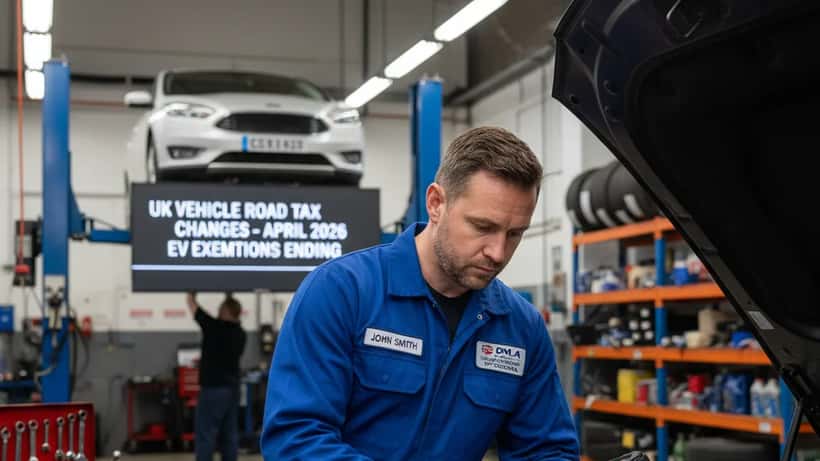
From 1 April 2026, the DVLA has introduced sweeping changes to UK Vehicle Excise Duty (VED), raising the standard rate for most cars to £200 per year and introducing new rules for electric vehicles that end years of free road tax. If you haven't renewed yet, here's what you need to know — and what mechanics say you should check before your next MOT.
What's changed: the key numbers
The April 2026 VED changes affect almost every car owner in the UK. Here is what changed on 1 April 2026:
Standard rate increase: Cars first registered after April 2017 now pay a flat £200 per year, up from £195. This applies regardless of fuel type — petrol, diesel, hybrid or electric — once the vehicle moves into the standard rate period.
Electric vehicles are no longer exempt: Zero-emission cars registered from April 2017 now pay the standard £200 rate. Brand-new electric cars pay just £10 in their first year, but then move immediately to the standard rate. This marks the end of the free-road-tax era for EVs that had been in place since 2001.
Expensive Car Supplement rises to £440: Vehicles with a list price over £40,000 pay an additional £440 per year for five years (years two to six). The threshold for electric vehicles eligible for this supplement rises from £40,000 to £50,000, meaning EVs under £50,000 avoid the premium.
DVLA now sends reminders by email and text, not post: If you normally wait for a renewal reminder to arrive in the post, this year it won't come. The DVLA switched to digital reminders only. Fail to renew on time and the ANPR camera network will flag your vehicle almost instantly — with an initial fine of £80.
Why mechanics are paying attention
Vehicle tax compliance affects mechanics in ways that might surprise you. According to automotive industry data, a significant portion of vehicles brought in for MOTs or repairs in 2026 arrive with VED irregularities — either lapsed road tax or incorrect tax class following modifications.
Tax class and vehicle modifications: If your vehicle has been modified — say, converted from diesel to electric, fitted with a disability adaptation, or altered in weight class — you are legally required to update your tax class with the DVLA. Driving a modified vehicle on an incorrect tax class is a legal offence, even if the VED itself is paid. A qualified mechanic or vehicle specialist can advise on whether modifications trigger a tax class change.
MOT and road tax: the connection: Your vehicle cannot be legally driven to an MOT test if its road tax has lapsed — even for that single journey. The only exception is driving to a pre-booked MOT appointment, but this only applies if your MOT has already expired, not if your VED has lapsed. Many drivers confuse these rules and inadvertently drive uninsured, as most motor insurance policies require the vehicle to be taxed.
Trade plates and legitimate garage use: Garages and mechanics use trade plates to move untaxed vehicles legally. However, if your own vehicle needs to be transported to a garage because it is untaxed, you cannot drive it yourself. A mechanic on Expert Zoom can advise on the correct procedure and help arrange collection if needed.
How to renew quickly and correctly
The DVLA provides straightforward online renewal at gov.uk/renew-vehicle-tax. You will need your V5C logbook or the renewal reference from your email or text reminder. The process takes under five minutes and payment can be made monthly by direct debit or annually upfront.
If you have lost your V5C, you must apply for a replacement before renewing. This can take up to five working days, which means acting promptly is important — especially if your current tax is expiring imminently.
For vehicles bought recently or inherited, note that road tax does not transfer with ownership. Every new owner must re-tax a vehicle, even if the previous owner's VED had months remaining. Failing to do this immediately is one of the most common mistakes that triggers ANPR fines.
Special situations that need expert attention
Most renewals are routine. But some situations are genuinely complex:
Statutory Off-Road Notification (SORN): If your vehicle is off the road — stored in a garage, declared unfit for use, awaiting repair — you can declare SORN online for free. A SORN vehicle must not be parked on a public road, even temporarily. If you're unsure whether your situation qualifies, a mechanic or motoring specialist can guide you.
Cherished transfers and personalised plates: Changing the number plate on a vehicle requires informing the DVLA and can temporarily affect your VED status. Get this wrong and you risk driving a vehicle whose registered plate doesn't match DVLA records — which can invalidate insurance.
Classic and historic vehicles: Cars manufactured before January 1981 are exempt from VED entirely — but they must still be actively declared exempt each year, or declared SORN. Missing this declaration is a surprisingly common oversight.
Where to get help
If your vehicle situation is anything other than a straightforward renewal, speaking to a qualified mechanic or a vehicle specialist is the safest route. Expert Zoom connects you with mechanics and automotive consultants who can advise on tax class changes, MOT timing, modifications, and SORN declarations — without the waiting times of main dealerships.
The changes introduced from April 2026 make compliance slightly more expensive for most drivers, but the bigger risk is not staying on top of the new digital notification system. With DVLA no longer sending paper reminders, the responsibility has shifted firmly to the owner.
