 Eleanor Vance
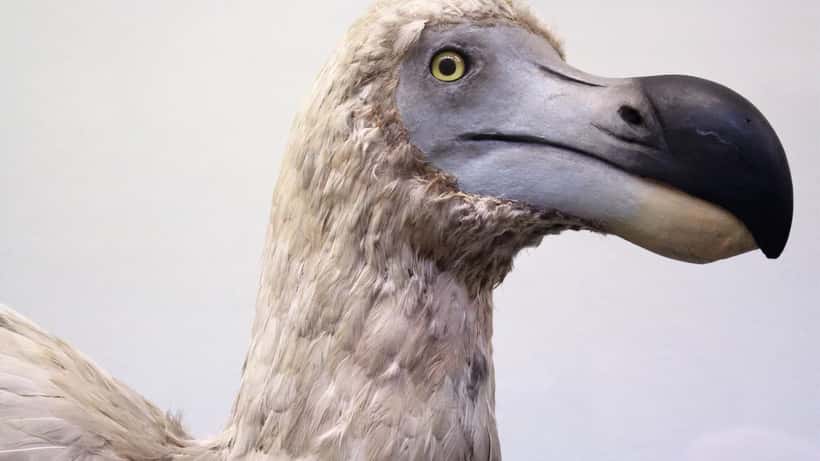
Scientists at Colossal Biosciences have mapped the genomes of species closely related to the dodo, taking the most concrete step yet towards a programme that could eventually reintroduce a dodo-like bird to the wild. The research, discussed in scientific literature circulating in 2026, has reignited a debate that wildlife biologists and veterinary specialists have been tracking closely: is de-extinction a genuine conservation tool, or does it draw attention and funding away from the hundreds of species disappearing right now?
For UK vets, wildlife workers, and conservation donors, the dodo's potential return is more than a headline. It raises practical questions about animal welfare, ecological impact, and whether technology can substitute for habitat protection.
What Colossal's De-extinction Programme Actually Involves
The dodo (Raphus cucullatus) went extinct in the late 17th century, largely as a result of human hunting and the introduction of invasive predators to its native Mauritius. Unlike mammoths or other ice age species, the dodo has relatively close living relatives — the Nicobar pigeon is its nearest genetic cousin, sharing significant portions of its genome.
Colossal's approach involves sequencing the dodo's genome from preserved museum specimens, identifying the genes that gave the dodo its distinctive characteristics, and then using CRISPR gene-editing technology to introduce those traits into the genome of a living relative. The result would not be a genetically identical dodo, but a hybrid organism that resembles and behaves like one.
This is a process measured in decades, not years. Colossal scientists themselves have described it as "getting close someday" rather than an imminent project. But the investment — and the scientific capacity it is building — has significant implications for how we think about wildlife conservation globally.
The Veterinary and Animal Welfare Perspective
For veterinary professionals, the de-extinction conversation raises immediate welfare questions that the biotechnology headlines often bypass.
If a dodo-like bird were successfully engineered and bred, where would it live during development? Laboratory animals bred through genetic modification require specialised care environments, monitoring, and intervention that differ significantly from wild animal husbandry. The management of novel hybrid species — animals with no existing model of care — would require new veterinary protocols developed from scratch.
The Royal College of Veterinary Surgeons (RCVS) has published guidance on the welfare implications of gene-edited animals, noting that genetic modification can introduce unexpected physiological traits alongside the intended changes. Comprehensive health monitoring, including regular imaging, blood panels, and behavioural assessment, would be essential for any de-extinct prototype animals throughout their lives.
UK-based wildlife vets who work on endangered species programmes raise a related concern: the animals most urgently in need of veterinary and conservation support are not extinct — they are critically endangered and alive right now.
The Species Actually Disappearing This Year
The IUCN Red List, updated in 2025, lists over 44,000 species as threatened with extinction. In the UK specifically, recent State of Nature reports have documented significant declines in farmland birds, freshwater fish, and invertebrates that underpin the broader ecosystem.
The Scottish wildcat, the water vole, the white-tailed eagle, and numerous butterfly and moth species are among the UK's most vulnerable animals. These are not laboratory hypotheticals — they are real animals whose populations can be stabilised and grown with adequate veterinary support, habitat management, and public awareness.
Conservation charities working on rewilding projects in England, Scotland, and Wales report that the biggest constraint on their work is not scientific knowledge but funding and skilled professional support. Wildlife vets, ecologists, and land managers are in short supply relative to the scale of the challenge.
What You Can Do as a Pet Owner, Farmer, or Conservation Supporter
The dodo story resonates because extinction feels permanent and reversible-in-future in a way that makes current losses feel less urgent. Wildlife specialists argue the opposite: the species alive today are recoverable if action is taken now.
For pet owners, the most direct contribution to UK wildlife conservation is responsible animal management — keeping cats indoors at dawn and dusk during bird nesting season, preventing dogs from disturbing ground-nesting birds, and ensuring exotic pets are never released into the wild. Escaped or released exotic pets are a documented driver of invasive species pressure on native wildlife.
For farmers and landowners, consulting an agricultural vet or land manager about creating wildlife corridors, hedgerow restoration, or pond management can produce measurable local biodiversity improvements within two to three years.
For anyone concerned about their pet's health or interested in finding a wildlife vet, ExpertZoom connects you with qualified veterinary professionals across the UK who can provide advice on everything from domestic animal care to wildlife encounters on your property.
The dodo's story teaches us one clear lesson: prevention is infinitely less costly than revival. The species that can still be saved deserve at least as much scientific ingenuity and public investment as the ones we lost centuries ago.
Find out more about UK wildlife conservation efforts and how genetic science is changing animal medicine at the IUCN Red List.
