 Eleanor Vance
Scotland's Guga Hunt Under Threat in 2026: What the Gannet Controversy Means for Wildlife and the Law
More than 100,000 people have signed a Scottish government petition to end the guga hunt — making it the fourth most-signed petition in Scottish history — and the 2026 Scottish Parliament elections have placed the practice under unprecedented political scrutiny. With no licence application received for 2026 at the time of writing, the future of one of Scotland's oldest and most controversial wildlife traditions hangs in the balance. For animal welfare advocates, wildlife professionals, and anyone living near Scotland's protected seabird colonies, the guga controversy raises urgent questions about how the law currently protects — or fails to protect — wild birds.
What Is the Guga Hunt?
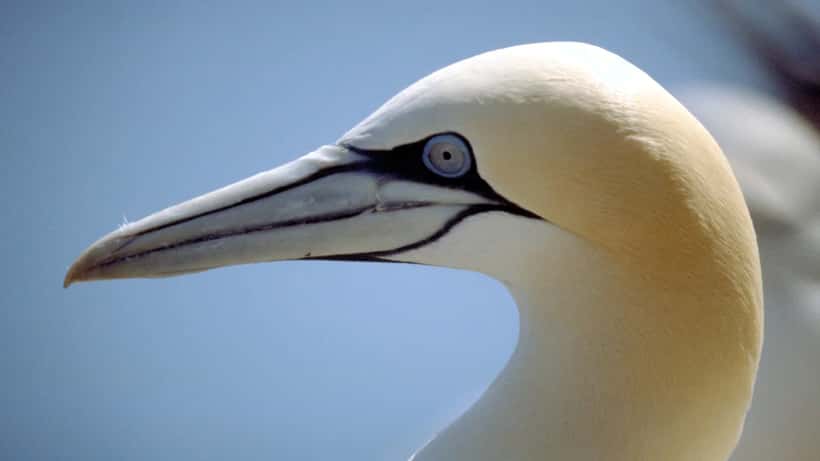
Every year since time immemorial, a group of ten men from the Isle of Lewis travel to the remote island of Sula Sgeir, approximately 40 miles north of the Butt of Lewis, where they spend two weeks harvesting guga — the local name for juvenile northern gannets (Morus bassanus). The hunt involves catching the chicks using poles and nooses, then killing them by hand or with a club. The birds are then salted and taken back to Lewis, where guga is eaten as a traditional delicacy.
The practice has been exempt from UK wild bird protection legislation through a specific exception in the Wildlife and Countryside Act 1981, which was amended to allow the Lewis men's hunt as a cultural continuation. That exemption requires the hunters to hold a licence from NatureScot, Scotland's environmental regulator.
In 2026, NatureScot confirmed that no licence application had been received for the hunt, meaning that for the first time in modern memory, the 2026 season may not take place. The 2025 licence has expired and no renewal is in progress.
Why the Guga Hunt Is Now a Conservation Crisis
Advocacy groups including Protect the Wild have obtained documents showing that NatureScot's own officials expected the guga hunt to cause unavoidable disturbance to several other protected bird species during the breeding season on Sula Sgeir. These include the Leach's storm petrel — a species classified as red-listed on both the UK's Birds of Conservation Concern list and the International Union for Conservation of Nature's global Red List of Threatened Species.
The northern gannet itself, while not currently on the UK red list, has faced significant pressure from avian influenza outbreaks in recent years. Scotland's gannet colonies — including the world's largest, on Bass Rock — were devastated by the H5N1 outbreak in 2022, which killed tens of thousands of birds. Recovery is ongoing, and wildlife veterinarians have expressed concern that any additional pressure on breeding colonies during the critical nesting period carries amplified risk in a post-outbreak population still rebuilding.
The parliamentary dimension adds another layer of urgency. With the 2026 Holyrood elections delivering gains for parties that have historically backed stronger animal welfare legislation, the political pressure on NatureScot and the Scottish Government to clarify the hunt's legal status is likely to intensify.
The Legal Framework Protecting Wild Birds in the UK
Understanding the guga hunt controversy requires understanding how wild bird protection works in the UK and Scotland specifically. Several pieces of legislation are relevant:
The Wildlife and Countryside Act 1981 makes it an offence to intentionally kill, injure, or take any wild bird, or to take, damage, or destroy the nest or eggs of any wild bird. Penalties include fines of up to £5,000 per bird and custodial sentences.
Schedule 1 of the same Act provides enhanced protection to particularly vulnerable species, making it an offence to disturb them at or near the nest during the breeding season. Leach's storm petrel is a Schedule 1 species — meaning even disturbance, not just killing, triggers criminal liability.
The Nature Conservation (Scotland) Act 2004 gave Scottish Ministers powers to introduce new wildlife offences and strengthened sentencing in Scotland beyond the base provisions of the 1981 Act.
European Protected Species status under the Habitats Regulations may also apply to certain seabirds, adding an additional layer of protection that sits above domestic legislation.
The key legal question for the guga hunt is whether the cultural exemption in the Wildlife and Countryside Act 1981 — written to permit the Lewis hunt specifically — can survive scrutiny against the enhanced protection afforded to Schedule 1 species like the Leach's storm petrel. Legal challenges based on the disturbance of protected species have succeeded in other contexts, and wildlife law experts have indicated that NatureScot's own documentation of expected disturbance could create grounds for legal challenge if a future licence is granted.
When to Consult a Wildlife or Veterinary Expert
Whether you are a wildlife carer, a landowner near a seabird colony, or someone involved in conservation work, several situations in the context of the guga controversy and its aftermath warrant professional advice:
If you find an injured or distressed gannet or seabird. Gannets are large, powerful birds that can cause serious injury if handled incorrectly. Injured gannets frequently arrive on beaches and in coastal areas in Scotland and northern England. A wildlife veterinarian or accredited wildlife rehabilitator can advise on safe capture, transport, and triage. Never attempt to feed or medicate a wild seabird without professional guidance.
If you observe disturbance to a Schedule 1 species nest. Disturbance is a criminal offence under the Wildlife and Countryside Act 1981. If you witness or suspect illegal disturbance to a Schedule 1 bird's nest — by any party, including licensed hunters operating outside their licence conditions — you should report it to Police Scotland or the RSPB Investigations team immediately.
If you are a landowner or land manager in a coastal area with seabird colonies. Your obligations under the Habitats Regulations and the Wildlife and Countryside Act 1981 apply regardless of whether birds nest on your land deliberately. An animal and wildlife law specialist can advise on your legal duties and how to minimise liability.
According to NatureScot's guidance on protected species, any licensed activity that could affect a protected species requires prior authorisation, and licence conditions must be strictly followed. An animal welfare or veterinary expert on ExpertZoom can help you understand what your legal obligations are if you encounter protected seabirds or operate near their habitats.
The guga hunt has survived as a cultural practice for centuries, protected by legal exemption. Whether that exemption survives the political and conservation pressures of 2026 remains to be seen. What is certain is that Scotland's wild seabirds — from gannets to storm petrels — face existential challenges, and the decisions made this year in Holyrood and by NatureScot will have long-lasting consequences for their protection.
This article is for informational purposes only and does not constitute legal or veterinary advice. Contact a qualified professional for guidance specific to your situation.
