 Rebecca Taylor
Hearts Are One Point From History: Why This Title Race Could Be Hazardous to Your Health
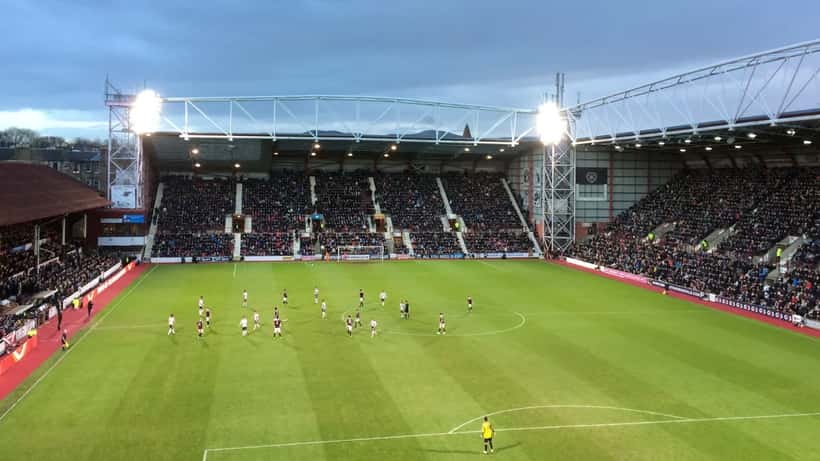
Heart of Midlothian sit one point clear of Rangers at the top of the Scottish Premiership with six games remaining, as of April 2026. Derek McInnes, their head coach, has openly predicted the race "will go to the final day" — a 16 May clash at Celtic Park that he has already described as potentially "the most dramatic fixture you can have." For the first time in 66 years, Hearts are credible contenders to win the Scottish top-flight title.
For the millions of football fans preparing to live through the final weeks of this season, it may be worth noting what the science says about what a title run actually does to your body.
The Physiology of "Fanxiety"
Sports psychologists have given it a name: "fanxiety." It describes the elevated stress state that devoted supporters experience during high-stakes matches — and it turns out to be measurable in physiological terms.
Research published in PMC (the US National Institutes of Health's biomedical database) found that watching high-intensity championship matches raises both blood pressure and heart rate significantly, even in passive spectators. A 2022 study on cardiac events during the FIFA World Cup found that hospital admissions for cardiovascular problems increased by 15% during and immediately after the most intense matches.
The mechanism is straightforward. Emotional stress activates the sympathetic nervous system, releasing catecholamines — primarily adrenaline — into the bloodstream. Heart rate and blood pressure climb. Cortisol levels rise. For a healthy 30-year-old, this is uncomfortable but generally harmless. For someone who is older, has an existing cardiovascular condition, or has a family history of heart disease, the same physiological response carries meaningfully different risks.
And this is not a one-off event. With Hearts facing six pivotal matches between now and 16 May 2026, dedicated supporters are looking at a six-week sustained period of elevated stress — matches against Rangers, Celtic, and a final-day visit to Parkhead that could determine everything.
What the Research Says About Chronic Sports Stress
Short-term stress during a match is one thing. The longer-term health implications of following a title race across weeks and months are less well-documented, but the underlying biology is clear.
Prolonged elevated cortisol — the stress hormone that stays raised between matches in fans who are deeply invested — is associated with sleep disturbances, increased anxiety, irritability, and, over time, suppressed immune function. Harvard Health has noted that "chronic stress is among the greatest risk factors for heart disease," particularly when it coexists with other lifestyle factors common in football culture: weekend drinking, irregular sleep during late matches, and the sedentary experience of watching football on a sofa.
The British Heart Foundation identifies emotional stress as a recognised cardiac risk factor. Their guidance notes that while occasional acute stress is not, on its own, a cause of heart attacks in otherwise healthy people, repeated episodes — particularly combined with an underlying condition — can contribute to longer-term cardiac risk. You can read their full guidance on stress and heart health at the British Heart Foundation's risk factors page.
Should You Be Worried?
For the vast majority of Hearts supporters — and football fans generally — enjoying a title race with appropriate intensity is not a medical risk. The research is not suggesting you shouldn't watch the matches. It is suggesting that if you have a pre-existing heart condition, high blood pressure, or a family history of cardiovascular disease, the final weeks of a historic title run are worth managing with some awareness.
Practical steps that cardiologists and sports medicine doctors recommend for high-stress sporting events include:
- Avoid alcohol during or immediately before matches — alcohol amplifies the cardiovascular stress response
- Take breaks during halftime — standing up and walking briefly reduces sustained physiological tension
- Monitor your symptoms — chest tightness, dizziness, or an unusually rapid heartbeat during a match warrants attention, not dismissal
- Talk to your GP if you have a cardiovascular condition and are planning to attend live matches at Tynecastle or away grounds in the coming weeks
Derek McInnes acknowledged after the 2-2 draw at Livingston — a result that kept Rangers within touching distance — that he expects "more twists and turns." Sir Alex Ferguson, according to McInnes, is "rooting for Hearts." If the season runs anything like it appears it will, this is going to be an emotionally intense six weeks.
When to See a Specialist
Most of the physiological stress of watching football is resolved naturally when the match ends and the cortisol clears. But some symptoms should not be attributed to "just nerves" and dismissed.
Persistent chest pain, shortness of breath at rest, palpitations that continue after a match has finished, or a feeling of pressure or tightness in the chest are symptoms that warrant a call to 111 or a prompt GP appointment — regardless of whether they began during a football match.
A sports medicine doctor or cardiologist can assess whether the emotional demands of following a high-stakes season are an appropriate activity for your specific cardiovascular profile. If you have been putting off a health check, a six-match title run — with the final game at Celtic Park on 16 May 2026 — is as good a reason as any to get one done first.
The heart wants Hearts to win. Make sure yours is in good enough shape to enjoy it if they do.
This article is for informational purposes only and does not constitute medical advice. If you have concerns about your heart health, consult your GP or a qualified healthcare professional.
