 Rebecca Taylor
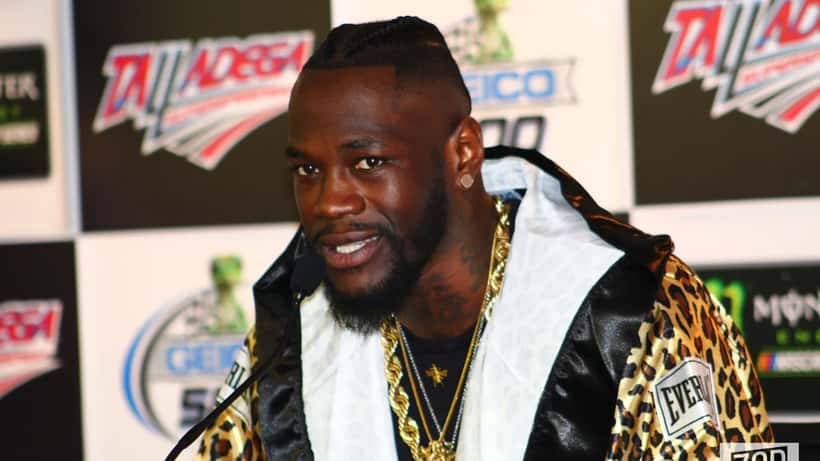
Deontay Wilder, 40, will face Derek Chisora, 42, on April 4, 2026 at London's O2 Arena in a heavyweight clash billed as "100" to mark their combined century of professional fights. Both veteran fighters are entering their 50th professional bouts, with Wilder seeking to rebuild momentum after his comeback victory against Tyrrell Anthony Herndon in June 2025, where he secured a seventh-round technical knockout.
The American former WBC heavyweight champion has made no secret of his ambitions beyond the Chisora fight, publicly targeting bouts with Anthony Joshua or Oleksandr Usyk. However, the physical demands of boxing at 40-plus raise critical questions about long-term health risks—questions that resonate far beyond elite professional fighters and into amateur boxing gyms across the UK.
The Physical Toll of Boxing at Elite Level
Professional boxers like Wilder and Chisora have access to world-class medical teams, regular neurological assessments, and comprehensive health monitoring. Amateur fighters, however, often lack these safeguards. Training injuries in boxing gyms can escalate from minor niggles to career-ending conditions if not properly assessed by qualified sports medicine specialists.
The intense physical strain of boxing—repeated head impacts, hand trauma, and joint stress—demands professional medical evaluation when something feels wrong. Unlike recreational sports, boxing's competitive nature can mask serious injuries as fighters push through pain to continue training.
Head Injuries and Concussion: The Silent Threat
Concussions represent the most serious boxing injury category. Symptoms may appear hours or even days after impact, including headaches, dizziness, confusion, sensitivity to light, and memory problems. The cumulative effect of repeated head trauma can lead to chronic traumatic encephalopathy (CTE), a degenerative brain condition linked to long-term cognitive decline.
Amateur boxers should never ignore post-sparring headaches or balance issues. Even mild concussion symptoms warrant immediate cessation of training and medical assessment. The NHS advises that anyone experiencing head injury symptoms during sport should seek professional medical evaluation, as brain injuries require expert diagnosis.
Second-impact syndrome—where a second concussion occurs before the first has healed—can prove fatal. Professional fighters undergo mandatory medical suspensions after knockouts; amateur boxers must apply the same caution without waiting for official mandates.
Boxer's Fracture and Hand Injuries
The fifth metacarpal fracture, commonly termed "boxer's fracture," occurs when punching with improper technique or insufficient hand protection. This injury affects the knuckle of the little finger and causes immediate pain, swelling, and difficulty gripping.
Many amateur fighters dismiss hand pain as bruising or dismiss wrist discomfort as a training strain. Untreated fractures, however, can heal incorrectly, permanently limiting hand function and grip strength. What begins as tolerable discomfort can evolve into chronic pain requiring surgical correction.
Hand and wrist injuries demand X-ray examination to rule out fractures. Sports medicine specialists can assess whether immobilisation, physiotherapy, or surgical intervention is necessary. Continuing to train on a fractured hand compounds the damage, potentially ending a boxing career before it properly begins.
Eye Trauma and Orbital Damage
Boxing's direct facial impacts create significant eye injury risk. Orbital bone fractures, detached retinas, and corneal abrasions represent serious complications that can result in permanent vision loss if untreated.
Warning signs include persistent blurred vision, seeing flashes of light, sudden floaters in vision, double vision, or visible deformity around the eye socket. These symptoms require immediate emergency department attendance, not a wait-and-see approach.
Professional fighters undergo regular ophthalmological examinations as part of licensing requirements. Amateur boxers should adopt similar vigilance, seeking specialist assessment after any significant eye impact during sparring or competition. Vision damage is often irreversible once it progresses beyond early intervention windows.
When Training Pain Requires Professional Assessment
Not every ache warrants medical attention, but certain red flags demand professional evaluation. Persistent pain that worsens with activity, pain that disrupts sleep, visible swelling or deformity, loss of range of motion, and neurological symptoms like numbness or tingling all require sports medicine assessment.
Amateur fighters often lack the support infrastructure available to professionals like Wilder and Chisora. This makes self-advocacy crucial. Gym coaches, whilst experienced in boxing technique, are not medical professionals. When injury concerns arise, qualified sports medicine specialists provide the diagnostic expertise necessary for safe return-to-sport decisions.
Physiotherapists specialising in sports injuries can assess musculoskeletal problems, whilst sports medicine doctors handle more complex diagnostic challenges. Early intervention typically produces better outcomes than delayed treatment, reducing both recovery time and complication risk.
The Veteran Fighter Phenomenon
Wilder and Chisora's continued careers at 40-plus demonstrate elite athletic conditioning, but also highlight boxing's unique relationship with ageing athletes. The sport's history includes fighters competing into their forties, but modern understanding of cumulative brain trauma has shifted medical opinion on extended careers.
For amateur fighters, the lesson is clear: professional assessment of injuries matters more as training years accumulate. The body's recovery capacity diminishes with age, whilst injury history compounds future injury risk. What a 25-year-old might shake off could sideline a 40-year-old for months.
Veterans returning to amateur boxing after years away must approach the sport with enhanced caution. Baseline medical assessments, including cardiovascular and neurological evaluations, provide essential safety foundations before resuming high-impact training.
Finding the Right Specialist
Sports medicine encompasses multiple disciplines. General practitioners offer initial assessment and referrals, but sports medicine consultants specialise in athletic injuries. Physiotherapists provide rehabilitation, whilst orthopaedic surgeons handle complex fractures and joint damage.
Amateur boxers need rapid access to appropriate specialists when injuries occur. Delays in diagnosis can transform minor problems into major complications. Understanding which specialist addresses which injury type streamlines the treatment pathway and improves outcomes.
Medical Disclaimer: This article provides general information about boxing injuries and does not constitute medical advice. Anyone experiencing injury symptoms should seek professional medical assessment from a qualified healthcare provider. Do not delay seeking treatment based on information in this article.
Connect With Sports Medicine Specialists
Whether you're an amateur boxer concerned about a training injury or seeking preventive health assessments before stepping into the ring, accessing qualified sports medicine expertise matters. Expert Zoom connects you with verified health specialists, including sports medicine consultants, physiotherapists, and orthopaedic surgeons across the UK.
Find experienced specialists who understand athletic injuries and can provide the professional assessment every fighter deserves. Your long-term health matters more than any single training session.
