 Isobel Fraser
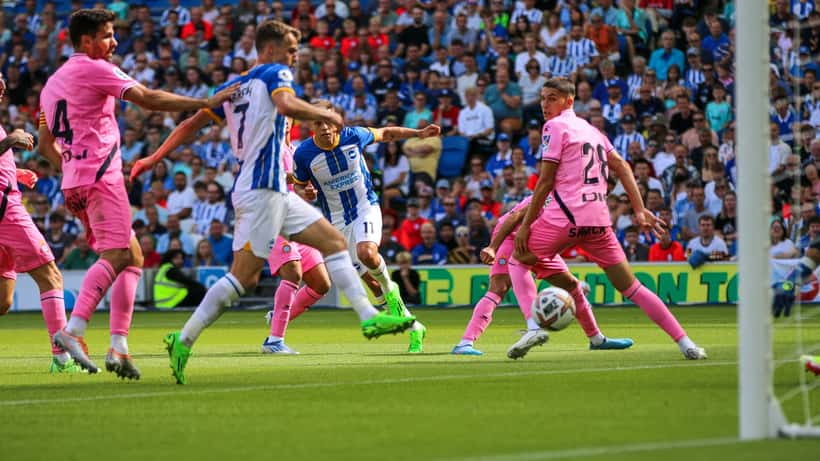
Leandro Trossard pulled on the red-and-black of Belgium again on 15 June 2026, lining up for the Red Devils' opening World Cup group fixture against Egypt in Seattle. At 31, the Arsenal winger arrives at his first World Cup having already secured a contract extension at the Emirates until 2027 — but his story raises a financial question that applies far beyond professional sport: what happens when your peak earning years are running out?
Trossard at 31: Still in His Prime, But the Clock Is Ticking
Trossard has been one of Arsenal's most consistent performers since joining from Brighton in January 2023 for £26.1 million. His current deal, extended in 2025, pays a base salary of approximately £100,000 per week — roughly £5.2 million per year — with performance bonuses that can add up to £1.8 million annually.
He opened the scoring in Belgium's pre-tournament friendly against Tunisia, taking his tally to 12 international goals, and has featured in 13 of the Red Devils' last 14 competitive fixtures. On current form, Trossard looks set to be a key figure in Rudi Garcia's side across Group A.
But the financial arithmetic behind his career is instructive. When his current Arsenal contract expires in 2027, Trossard will be 32 going on 33. The average professional footballer's peak earning window — the years when Premier League wages are available — typically closes before the age of 35. That is a narrow window by the standards of most professions, and one that demands serious financial planning.
Why Footballers — and High Earners Generally — Need a Wealth Manager Early
The narrative of athletes who earn millions during their playing career and face financial difficulty in retirement is well documented. According to MoneyHelper, even high-income professionals often underestimate how quickly circumstances can change when a primary income source disappears.
The core problem is not income level — it is income trajectory. A professional footballer can earn several million pounds over ten to fifteen years, but the spending habits, tax obligations, and investment decisions made during those years determine whether that wealth is preserved or eroded.
For someone like Trossard, whose earnings are likely to be significantly lower after football than during it, the priorities are:
Tax planning during peak years. Top earners in the UK pay 45% income tax on earnings above £125,140. Without proactive planning — pension contributions, allowances, and legitimate structures — a significant proportion of gross earnings can be lost before they are ever invested.
Building income-generating assets. A wealth manager's core job is to convert earned income into assets that generate returns independently: equities, bonds, property, business interests. The goal is to build a portfolio large enough that investment income replaces salary income when the playing career ends.
Insurance and protection. For an athlete, injury is the central financial risk. Career-ending injuries can happen without warning. A specialist financial adviser will ensure that income protection, critical illness cover, and personal accident policies are structured correctly before they are needed.
What Arsenal's Contract Extension Tells Us
The decision by Arsenal to extend Trossard's contract in 2025 was commercially sound. His versatility — able to play across the front three and deliver consistent performances — makes him valuable beyond his peak years.
But from a personal finance perspective, a contract extension until 2027 at £100,000 per week is not a reason to delay financial planning. It is a reason to accelerate it. The additional runway gives Trossard — and any high earner in an analogous position — more time to maximise pension contributions, review investment portfolios, and plan the tax-efficient drawdown of accumulated wealth.
UK pension rules are particularly relevant here. High earners can contribute up to £60,000 per year into a pension with full tax relief (Annual Allowance, as updated in the 2023 Finance Act). For someone earning at Trossard's level, maximising pension contributions over even three to four years can produce a retirement fund of several million pounds that is sheltered from future income tax.
As the Viktor Gyökeres piece on this site explored, athletes who engage a qualified wealth manager early in their career consistently build more secure post-sport financial positions than those who delay.
The Lessons for Non-Athletes
The principles that apply to Trossard's financial situation are not unique to footballers. They apply to any professional who earns significantly above average for a limited period — a City banker with a short bonus cycle, a tech executive with vesting equity, a surgeon at peak surgical practice, or a self-employed tradesperson with a strong decade.
The key question in every case is the same: are your peak earning years building lasting wealth, or are they being absorbed by tax, lifestyle inflation, and poorly structured savings?
The steps are consistent regardless of profession:
- Engage a regulated wealth manager or independent financial adviser early — not when you sense the income declining
- Maximise tax-advantaged structures (ISAs, pensions, EIS/SEIS if applicable) before the high-income years end
- Diversify across asset classes — professional income tied to one employer or sector should not be mirrored by concentrated investment in the same sector
- Review protection cover annually — the value of human capital decreases as career length shortens; insurance should reflect remaining earning potential
Watching Trossard at the World Cup Is a Financial Reminder
When Trossard picks up the ball on the left flank in Seattle today, most viewers will be assessing his touch, his positioning, and Belgium's chances of progressing from Group A. A wealth manager watching the same footage might be thinking about the narrowing window of high-income years and whether the right structures are in place to make those earnings last a lifetime.
If you are in a period of above-average earnings — whatever your profession — the most valuable action you can take is not to invest in a specific fund or property. It is to consult a qualified wealth manager who can map your current position against your long-term goals and build a plan before the window narrows.
ExpertZoom connects you with regulated wealth managers and independent financial advisers across the UK who specialise in exactly this kind of peak-earning financial strategy.
Financial advice should always be sought from a regulated adviser. Past earnings are not a guide to future financial outcomes. This article is for informational purposes only and does not constitute financial advice.
