 Rebecca Shaw
Every bird keeper in England must now comply with a mandatory housing order. The UK Chief Veterinary Officer ordered it on 11 November 2026, and it applies from 00:01 on Friday 13 November 2026. It follows an escalating number of confirmed cases of highly pathogenic avian influenza (HPAI, or bird flu) in kept birds, plus findings in wild birds.
Who has to bring their birds indoors?
The housing order covers the whole of England. According to the government announcement, it applies to a keeper in either of two situations: they keep 50 or more poultry and captive birds, or they sell or give away eggs, poultry products or live birds. The second test matters because it has no flock size attached. A keeper with 12 hens who passes boxes of eggs to neighbours falls inside the order.
The announcement allows exceptions in specific circumstances, such as some zoo birds. If you think your birds qualify, check the full GOV.UK guidance or ask the Animal and Plant Health Agency (APHA) before you leave birds outdoors.
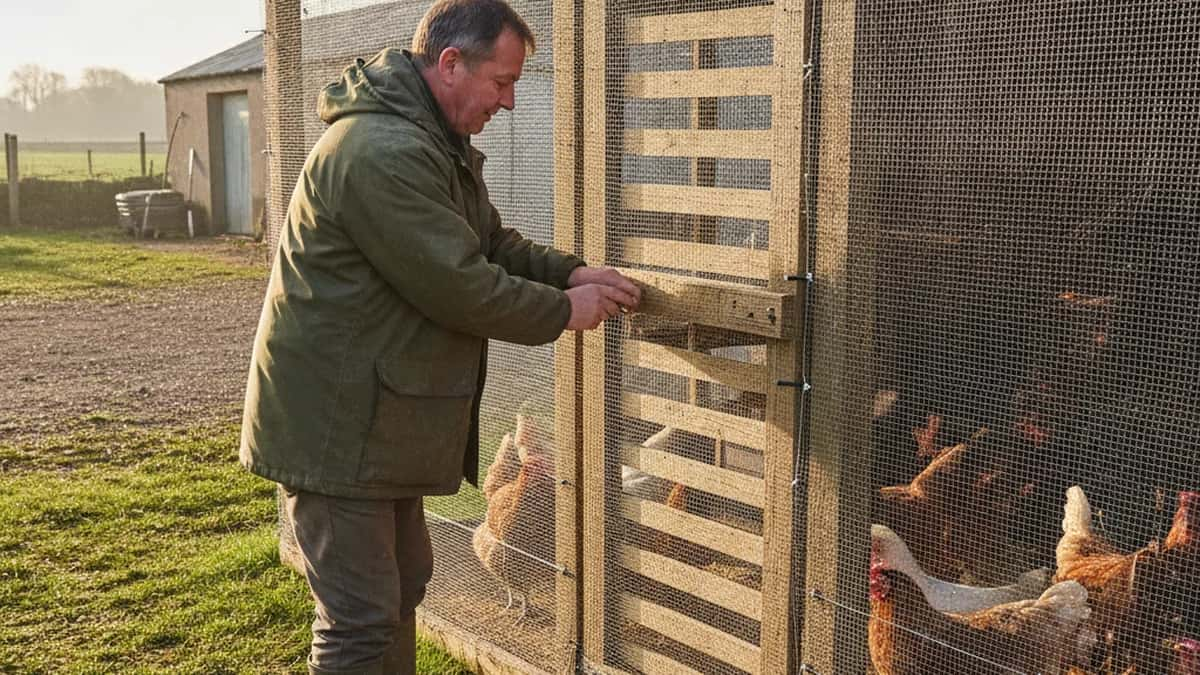
Housing means more than shutting a door at night. Birds must be kept in a building or an enclosure that stops contact with wild birds, and this is where many small keepers will struggle. Netted runs with open sides or a roof of gaps do not give the protection the order is designed to deliver.
What changes for everyone, even with a handful of pet birds?
An England-wide Avian Influenza Prevention Zone (AIPZ) came into force immediately, and it has a wider reach than the housing order. It applies to every keeper, whether they have pet birds, a commercial flock or a small backyard group. The enhanced biosecurity measures include:
- reporting changes in egg production;
- mandatory record keeping;
- disinfecting footwear;
- regularly cleansing and disinfecting housing and concrete walkways.
Beyond that list, all keepers must cleanse and disinfect clothing, footwear, equipment and vehicles before and after contact with birds, using disposable protective clothing where practical. They must reduce the movement of people, vehicles and equipment to and from the areas where birds are kept, run effective vermin control, and keep fresh disinfectant at the right concentration at entry and exit points.
Feed and water must not be accessible to wild birds. Poultry must not have access to ponds and watercourses, and birds must be kept in fenced or enclosed areas.
Why now?
The Chief Veterinary Officer, Christine Middlemiss, pointed to the increased risk and the escalating number of HPAI confirmations in kept birds. She urged keepers to comply with housing and to stay alert for signs of disease, reporting suspected cases to APHA immediately. In her words, having avian influenza confirmed in a flock "can be devastating".
A worked case: 60 hens, a roadside stall and a new run
Take a keeper in England with 60 laying hens who sells a few boxes of eggs from a roadside stall. Until now the birds ranged freely across a paddock. From 00:01 on 13 November 2026, two separate tests apply to this keeper. The flock is above the 50 bird threshold, and the eggs are sold, so the housing order applies twice over.
If the existing henhouse holds 40 birds, the keeper has a gap of 20 birds to house. The practical options are to extend the building, enclose part of the run, or reduce the flock. Whichever route they choose, the AIPZ rules apply at the same moment: a footbath with disinfectant at the entrance, a written record of movements and egg production, and a daily check of the egg count.
Now compare a neighbour with 40 hens who sells nothing and gives nothing away. That keeper is below the 50 bird threshold and outside the commercial test, so the housing order does not apply. The AIPZ biosecurity rules still do. If that neighbour starts giving half a dozen eggs to a friend, the housing order applies from that day.
The if/then rule is simple to state. If you keep 50 or more birds, or sell or give away eggs, poultry products or live birds, then your birds must be housed. If neither applies, you must still follow the biosecurity measures. A keeper unsure which side of the line they sit on should ask before the first egg changes hands.
Where an expert helps
Housing a flock quickly is a veterinary and a practical problem at once. A vet who works with poultry can advise on ventilation and stocking density in a converted building, which matter because crowded, damp housing creates its own health problems. They can also explain what changes in egg production or behaviour should trigger a call to APHA, and how to keep records that would stand up if an inspector asked.
Pet bird owners have different questions. Someone with two parrots indoors is in a low risk position, but a household with a garden aviary or a few ornamental ducks on a pond needs to look at the rule on access to ponds and watercourses. A vet can help with a plan that protects the birds without leaving them stressed or confined in unsuitable space.
Ask a vet about disinfectant choice too. The rules call for fresh disinfectant at the right concentration, so using a product that is diluted wrongly or left standing for days will not meet the standard.
Is there a risk to people or to Christmas dinner?
According to the government announcement, the current risk to human health from avian influenza remains very low. The Food Standards Agency says properly cooked poultry and poultry products, including eggs, are safe to eat. The UK Health Security Agency continues to monitor the situation closely.
On supply, the UK produces around 8 million turkeys every year, and the government does not currently anticipate any impact overall on the availability of Christmas turkeys or other seasonal poultry for consumers.
Signs of disease and who to tell
The government urges keepers to be vigilant for signs of disease, report it and act to prevent bird flu spreading. The announcement names a change in egg production as one reportable sign, so a sudden drop in eggs from a healthy looking flock is worth a phone call rather than a wait of a few days.
Report suspected disease to APHA immediately. Do not move birds, eggs or equipment off the premises while you wait, because the point of the AIPZ is to reduce the movement of people, vehicles and equipment that can carry the virus between sites. Keep your record book up to date, with dates, egg counts, visitors and deliveries, since the order makes record keeping mandatory.
Keepers who share equipment with a neighbour, such as feeders, crates or a trailer, should stop doing so for now or disinfect every item before and after use.
What to do this week
- Count your birds and note whether you sell or give away eggs, products or live birds.
- If the housing order applies, move the birds into a building or enclosure that keeps wild birds out.
- Set up disinfectant at entry and exit points and start your written records.
- Cover feed and water so wild birds cannot reach them.
- Report any suspected disease, or a change in egg production, to APHA immediately.
- Speak to a vet about housing layout, flock health and welfare during the housing period.
This article is general information and does not replace veterinary advice or the legal text of the order. Rules and exemptions can change, so check the current position before you act.
Source: GOV.UK announcement of the National Housing Order, published 11 November 2026.
